Graeme Dinnen

Crafting Words. Building Audiences.

Author: Graeme Dinnen

  • The Tiny Fish With a Giant Reputation

    The Tiny Fish With a Giant Reputation

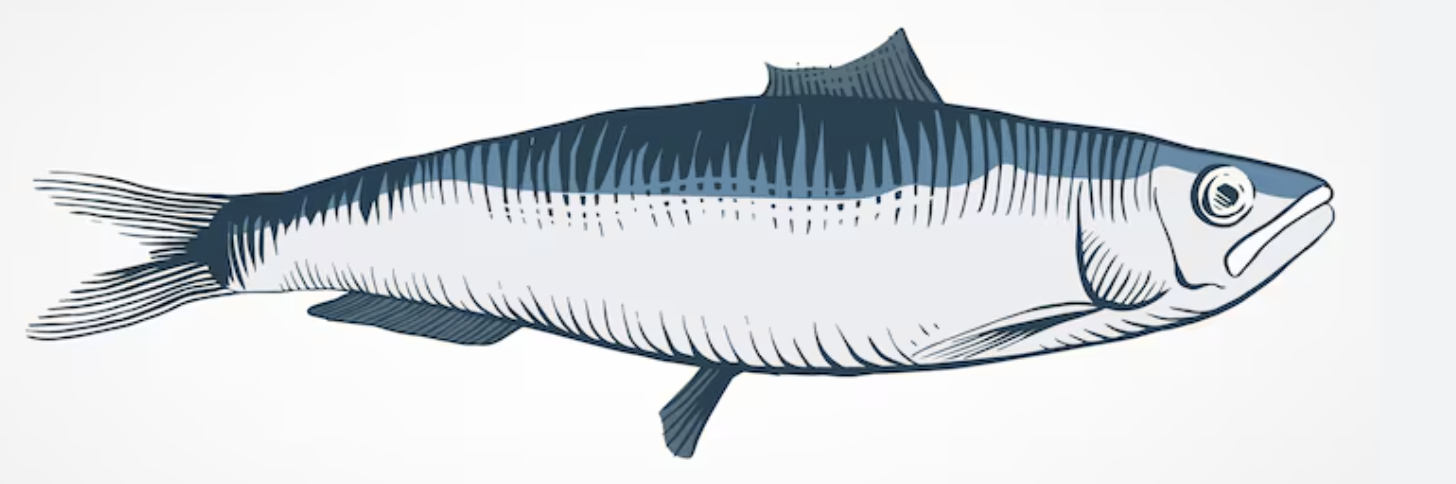
    There is something wonderfully humble about the sardine. It arrives without fanfare, costs a fraction of fashionable seafood, and yet quietly delivers more nutrition than many foods commanding many times the price.

    Long before “superfoods” became a marketing buzzword, sardines had already earned their place on dinner tables across Europe, the Mediterranean, Asia and the Americas.

    Long before nutritionists discovered hashtags, sardines had already been sustaining fishermen, labourers and families from Lisbon to Tokyo. They didn’t require branding. They simply worked.

    The name itself is thought to come from the island of Sardinia, where the fish once gathered in shimmering shoals so vast they seemed less like wildlife than weather. For millennia they have fed coastal communities, preserved in salt, smoke or oil against leaner seasons.

    They were the original convenience food, except they contained actual food.

    Unlike the marine aristocracy – tuna, swordfish and their swaggering predatory cousins – the sardine lives a refreshingly uncomplicated life. It matures quickly, breeds enthusiastically and spends its days nibbling plankton rather than swallowing everything smaller than itself.
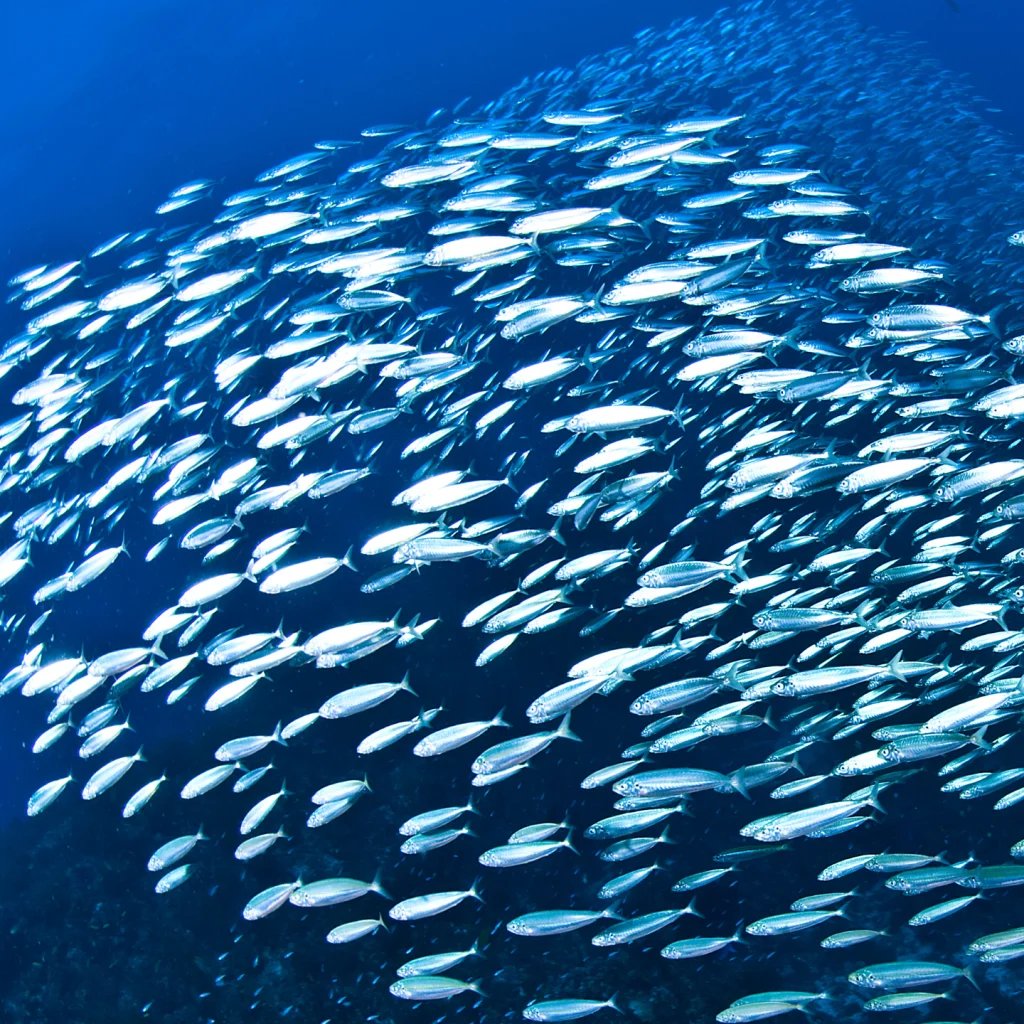
    Sardine shoal

    Consequently it accumulates very little mercury or other environmental nasties, making it one of the cleanest fish on the menu and one of the most sustainable. Nature, it seems, knows exactly what she’s doing.

    Travel the world and the sardine wears many disguises. In Portugal it crackles over charcoal fires, sending fragrant smoke drifting through narrow streets. In Britain it finds sanctuary atop buttered toast. Around the Mediterranean it slips effortlessly into salads alongside tomatoes, olives and capers, while elsewhere it disappears into pasta sauces, lending them the sort of deep savoury richness chefs prefer to call umami because “delicious” somehow no longer sounds sophisticated enough.

    Its reputation for being aggressively fishy is one of gastronomy’s great libels. A fresh sardine is delicate, almost sweet, its flesh firm but tender beneath skin that crisps beautifully over a flame. Canned sardines, meanwhile, mellow into something altogether richer. Packed in olive oil, tomato sauce, spring water or mustard, they develop a depth of flavour that belies their modest price tag.

    Then there are the bones.

    Most diners approach them with unnecessary suspicion. Yet these softened little skeletons, rendered almost creamy by the canning process, are nutritional gold dust. They disappear almost unnoticed while delivering calcium in quantities that many expensive supplements can only dream about.

    Few foods naturally unite calcium and vitamin D in quite the same convenient package. Because the bones are eaten whole, a single serving contributes meaningfully to maintaining skeletal strength, something one tends to appreciate rather more once birthdays begin arriving faster than expected.

    Indeed, sardines possess an almost embarrassing concentration of goodness. Within one modest serving lurks complete protein, generous quantities of omega-3 fatty acids, vitamin D, vitamin B12, calcium, selenium, phosphorus, iodine, iron and magnesium. If nutrition were measured by cubic centimetre, sardines would be difficult to beat without resorting to laboratory equipment.

    Their greatest celebrity, of course, remains omega-3. These remarkable oils help maintain healthy blood vessels, support normal heart rhythm, moderate inflammation and contribute to lower triglyceride levels. Unlike the synthetic concoctions that occupy entire shelves in health food shops, sardines deliver these fats exactly as nature intended, complete with the supporting cast of minerals and protein.

    The brain also thrives on omega-3 fats, particularly DHA. Together with the generous helping of vitamin B12 found in sardines, they contribute to healthy nerve function, memory and cognitive performance. They are not magic bullets against dementia or Alzheimer’s, but they supply many of the nutritional bricks from which a resilient brain is built.

    There is another virtue rarely celebrated: value. At a time when supermarket receipts increasingly resemble mortgage applications, a humble tin of sardines remains astonishingly inexpensive. For less than the price of many nutritionally bankrupt snacks, you acquire a complete meal rich in protein, healthy fats and essential minerals, with a shelf life that makes it a dependable ally in any cupboard.

    Perhaps that is the sardine’s greatest triumph. It has steadfastly refused to become fashionable. Fashion would only spoil it. It has remained exactly what it has always been: honest, nourishing and quietly magnificent.

    Sometimes we spend our lives chasing culinary peacocks while overlooking the sparrow sitting contentedly on the garden fence. The sardine asks for no applause. It simply turns up, feeds us superbly, asks almost nothing of the oceans in return, and slips away without ceremony.

    The sea, it seems, has always known that its greatest treasures need not be the largest. Sometimes they arrive in silver jackets, packed neatly in a tin, carrying enough goodness to make foods costing ten times as much look faintly ridiculous.

    Bon appétit

    Graeme Dinnen

    ResourcesForLife.net

    A Simple and Healthy Sardine Meal:

    This Sardine spread isn’t just delicious, it’s loaded with omega-3s, protein and calcium for strong bones, sharp focus and glowing skin. ✨

    Made with simple ingredients – sardines, egg, butter and lemon juice, it is the perfect nutrient-dense snack for busy days or post-workout fuel.

    • Spread it on sourdough bread/toast

    • Dip it with veggies

    • Or enjoy it straight from the bowl!

    Ingredients:

    • 2 tins sardines in olive oil
    • 40g butter
    • 1 boiled egg
    • 1 small red onion
    • 1 teaspoon capers in white wine vinegar 
    • a few sprigs of fresh parsley 
    • 1 teaspoon mustard 
    • 1 tablespoon lemon juice

    Instructions:

    1. Add all ingredients to a blender or food processor.

    2. Blend until smooth and creamy (or keep it slightly chunky if you prefer texture).

    3. Taste and adjust seasoning, add more lemon juice for brightness or mustard for a kick.

    4. Chill for 15–20 minutes before serving (optional, for a thicker texture). Enjoy!
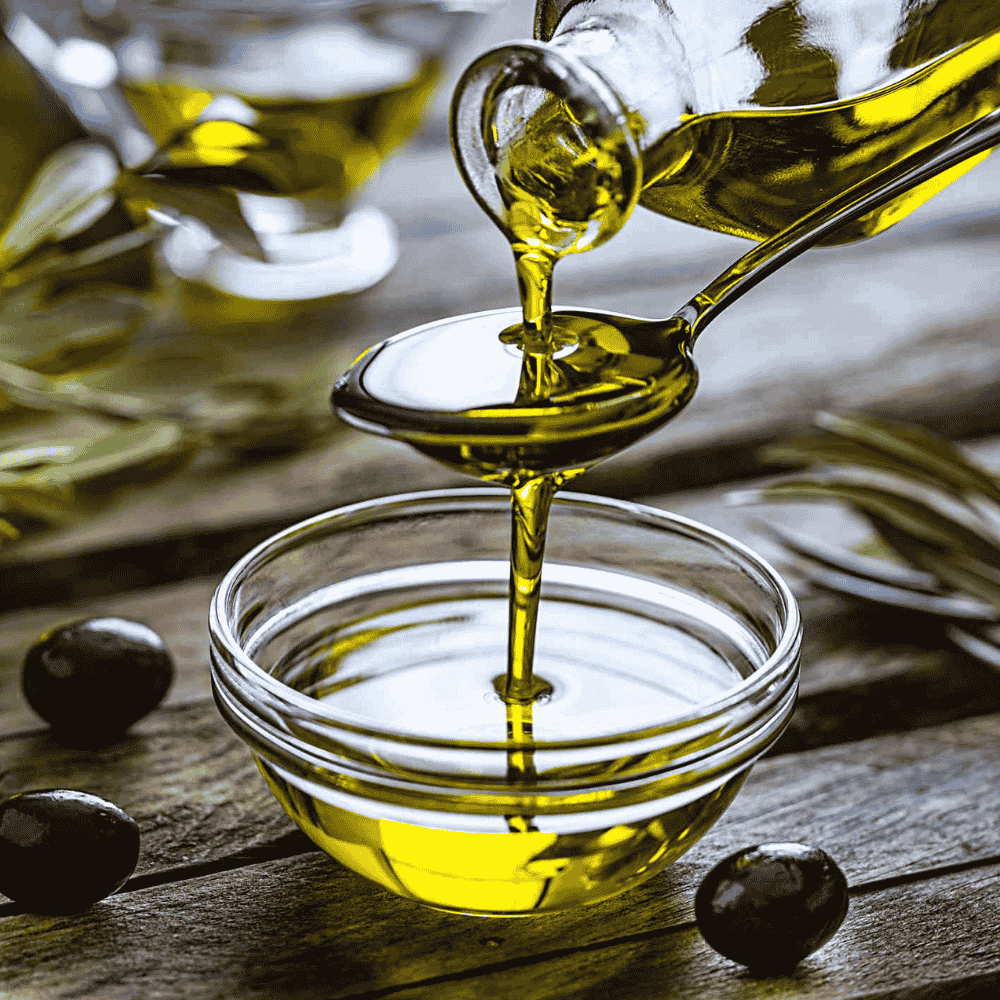
  • The Heart of the Grove

    The Heart of the Grove

    There was a time when olive oil knew its place.

    It arrived in dented tins with labels that looked as though they’d been designed during a long lunch. It smelt of hot afternoons, dusty groves and stone farmhouses where recipes were inherited rather than invented. It asked for nothing more than a crust of bread, a tomato and perhaps the company of a sensible bottle of wine.

    Today, it has become liquid gold.

    And history teaches us that wherever gold accumulates, rogues soon follow with shiny shoes and grubby intentions.

    Across Europe, soaring prices, relentless droughts and disappointing harvests have transformed extra virgin olive oil into one of the world’s most desirable foods – and one of its most profitable targets for fraud.

    Criminals have been caught diluting it with anonymous seed oils, dressing ordinary olive oil in aristocratic labels, inventing noble family trees and persuading perfectly mediocre liquids that they were born beneath Tuscan sunsets.

    Greek poet Homer called it “liquid gold” more than two thousand years ago. He could scarcely have imagined that one day the phrase would sound less like poetry and more like a police briefing.

    From Spain to Italy, investigators have uncovered warehouses holding hundreds of thousands of litres of counterfeit oil. Europol now spends almost as much time following the olive trail as it does organised crime, while inspectors descend upon bottling plants with the enthusiasm once reserved for illicit whisky stills.

    Yet the greatest casualty isn’t the shopper who unknowingly pours counterfeit virtue over a bowl of salad.

    It’s the honest grower.

    The family whose gnarled trees have survived wars, droughts and generations of hard hands. People who spend an entire year nurturing fruit from ancient branches, only to see their reputation diluted by someone with a stainless-steel tank and a vivid imagination.

    Ancient Olive Tree, Ibiza

    The answer, however, isn’t to abandon olive oil. Nobody swears off Burgundy because somebody once bottled vinegar with a French château on the label.

    The answer is simply to buy wisely.

    Choose producers whose names mean something. Be suspicious of miraculous bargains. Look for harvest dates rather than clever marketing phraseology. Real olive oil carries the quiet confidence of authenticity. It doesn’t need to shout.

    The recent headlines about Europe’s olive oil racket have reminded us just how valuable trust has become. In today’s food world, that’s almost rarer than finding a politician who can blush.

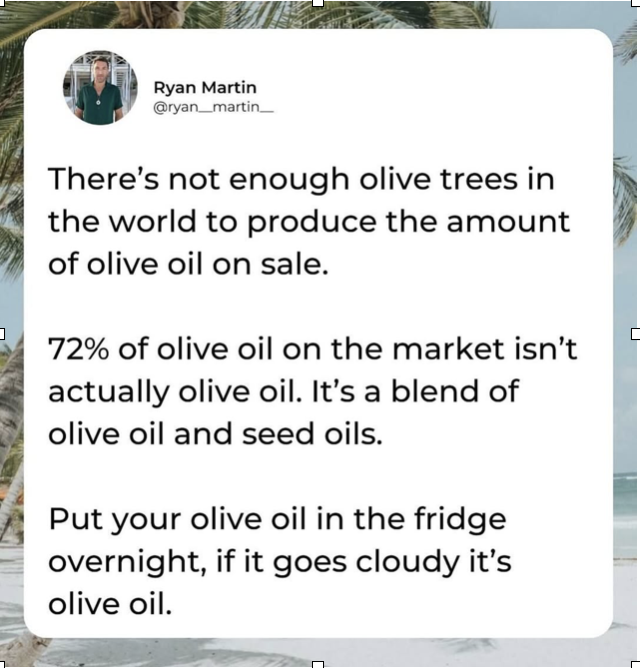
    Food fraud has become the supermarket’s invisible aisle. Honey that’s enjoyed an intimate relationship with corn syrup. Herbs bulked out with whatever happened to be lying around. “Extra virgin” oils that have clearly lived colourful, complicated lives before arriving on your kitchen shelf.

    Don’t be a victim to the Mafia’s most profitable crime

    It’s a magnificent masquerade where, all too often, the label is the only ingredient that’s entirely genuine.

    Fortunately, there is another way.

    Support the growers who still treat olive oil as a craft rather than a commodity. Celebrate the producers whose pride lives inside every bottle. Every purchase helps preserve centuries of knowledge, family traditions and landscapes that deserve to outlive the counterfeiters.

    After all, every meal is an investment in tomorrow. Your body quietly rebuilds itself from the food you choose today. Give it honest materials, and it has every chance of returning the favour.

    Need I say more?

    If you’re in the UK, we’d love to help you discover olive oil the way it ought to taste. Here’s an offer to take £5 off your first order – not as a gimmick, but as a small celebration of good taste, honest farming and food you can trust.

    We joined their free Olive Oil Club and arranged a monthly delivery. One less thing to think about, and one more thing to look forward to.

    Salute.

    Graeme Dinnen

    ResourcesForLife.net

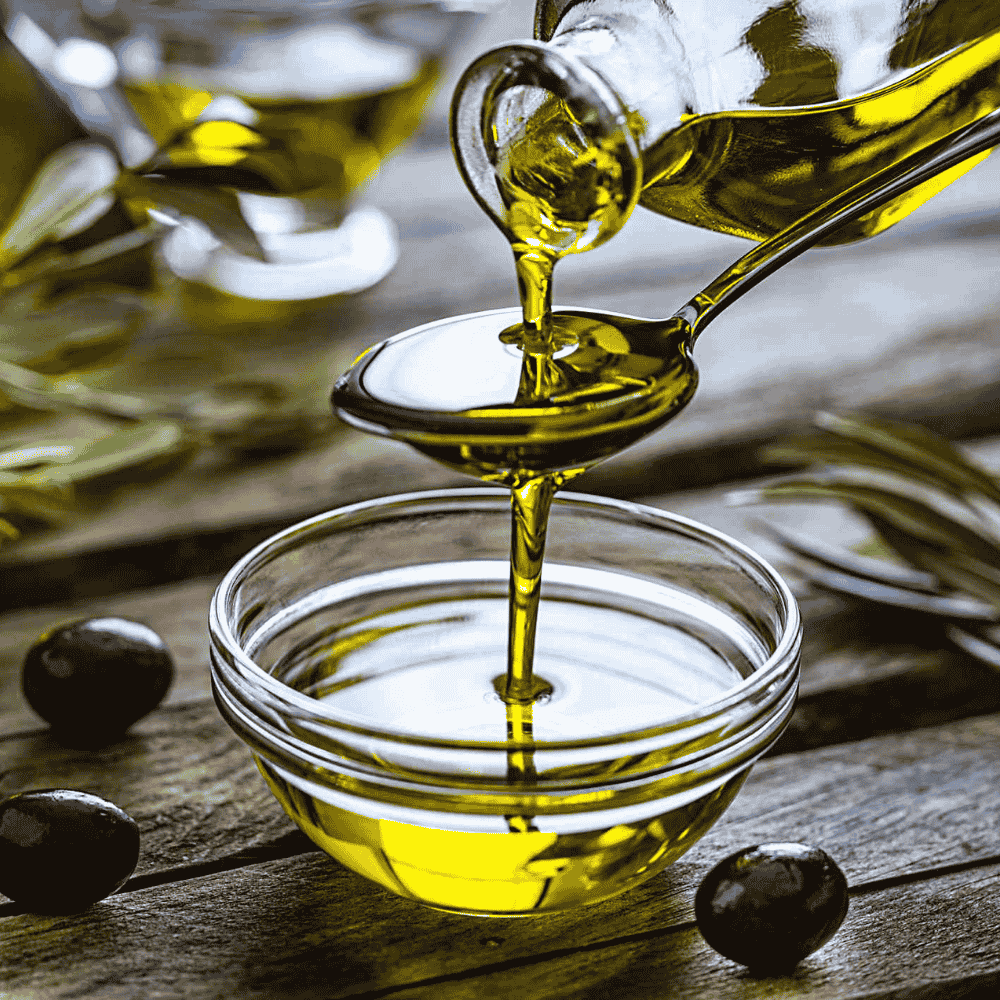
    Olive Oil
    “Liquid Gold” – Homer, describing virgin olive oil in ancient times.
  • The Quiet Ambition of Plants

    The Quiet Ambition of Plants

    For most of human history, we have made the same blunder with plants: we have mistaken silence for simplicity.

    A tree stands in one place for centuries, apparently doing very little. It does not chase, argue, complain, or announce its intentions on social media. It simply remains there, which to the human imagination is suspiciously close to being boring.

    We like movement. We like noise. We like things that look as though they are having an interesting time.

    But beneath that apparent stillness is a world of astonishing activity.

    A plant is not a decoration that happens to be alive. It is a sophisticated survivor, quietly running a chemical empire beneath our feet. Its roots explore the soil like a slow-motion underground expedition, searching for water and nutrients.

    Its leaves monitor the sun with extraordinary precision. When attacked by insects, it can release chemical warnings, sending messages into the surrounding environment that other plants can respond to.

    It is tempting, naturally, to turn this into a little woodland fairy tale. We imagine trees whispering secrets, flowers exchanging gossip, and forests having ancient conversations while humans rush past without noticing.

    The truth is both less magical and, in some ways, more impressive.

    Plants do communicate, but not because they have opinions. They do not send warnings because they are frightened in the way an animal is frightened. They do not sit quietly in the garden contemplating existence. They are not miniature philosophers wearing leaves instead of trousers.

    They are simply very, very good at being plants.

    Some experiments suggest that plants can adjust their behaviour based on previous experiences. The sensitive plant, for example, can become less reactive after repeated harmless disturbances. It appears to “remember” in some sense.

    But this is not memory as we understand it. There is no evidence of a private inner world, no little plant mind sitting behind the leaves making plans for tomorrow.

    And this is where humans often get carried away.

    We see intelligence and immediately assume there must be a brain behind it. We see a response and imagine a feeling. We see complexity and expect consciousness. But nature has produced countless ways of solving problems without producing thoughts.

    A thermostat regulates temperature without understanding heat. An immune system fights disease without knowing what illness is. A plant can defend itself without experiencing fear.

    The mistake is not in admiring plants. They deserve admiration. The mistake is believing they must become more like us before they become interesting.

    Plants have spent hundreds of millions of years perfecting a different way of existing. They have no need to run, hunt, or think. They survive through patience, chemistry, and an extraordinary ability to adapt.

    The forest is not a gathering of silent minds. It is something stranger: a living network of organisms responding to the world in ways that do not require thoughts, feelings, or awareness.

    Plants do not have minds like ours.

    But perhaps that is exactly why they are worth paying attention to.

    “When I die, she said, I’m coming back as a tree with deep roots & I’ll wave my leaves at the children every morning on their way to school & whisper tree songs…”. Brian Andreas, StoryPeople

    Graeme Dinnen

    ResourcesForLife.net

    PS There are several extraordinary books about trees. I’m currently reading Peter Wohlleben’s “The Hidden Life ofTrees about how threes communicate. Next on my list is Suzanne Simard’s “How To Find The Mother Tree”. Both remarkable works.

    An extract from my book “The Body Speaks”:

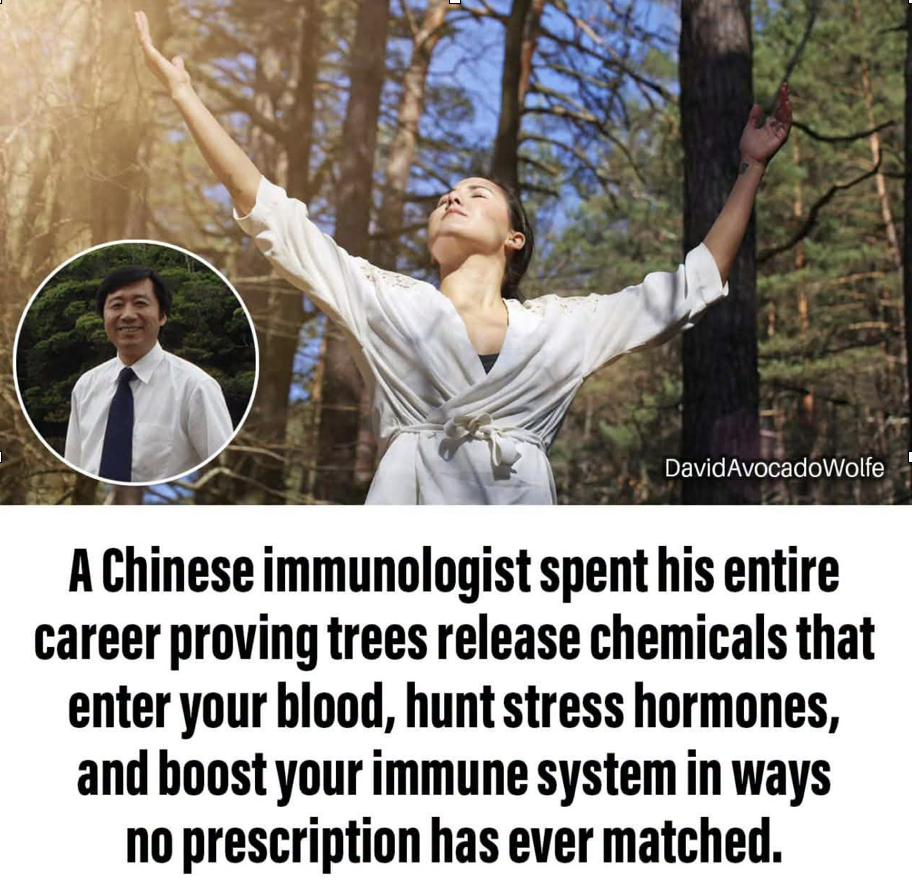
    A Danish study found that people who live near green spaces and forests are healthier and live longer.

    Research shows that spending five days and four nights in a forest environment can enhance the activity of natural killer (NK) cells in the body. These cells play a crucial role in fighting cancer and infections. The immune boost from being in nature can last for up to seven days after the trip.

    This effect is part of a concept called “forest bathing” or “Shinrin-yoku,” which has been shown to improve overall well-being. Studies have found that time spent in forests positively impacts the immune system. The results highlight the therapeutic benefits of nature on human health.

    Find an Air B&B in a pine forest because:

    “Pine trees have an irreplaceable value to human lives….their true value is invisible except on very hot days where a blue haze hangsover the trees and we can see their most precious offering. The trees emit a chemical known as pinene; for the trees it emits a haze that protects them from the heat of the sun; for us it has an equally protective effect. Scientists have found that when we inhale pinene, it chemically interacts with our bodies, lowering the levels of the stress hormone, cortisol and enhancing the activity of our anti-cancer killer cells.”

  • Supplements For Longevity Or A Bacon Sandwich?

    Supplements For Longevity Or A Bacon Sandwich?

    Once upon a time, a man decided that living a longer life was simply an engineering challenge.

    He set about this task in a way he believed was best for him.

    Most people, when confronted with the mortality question, buy a gym membership, cut back on the biscuits and promise themselves they’ll get more sleep.

    But our man, US entrepreneur Bryan Johnson, did what only a Silicon Valley millionaire could do: he declared war.

    Every morning begins with a roll call.

    Not of children, or employees, or even thoughts worth having. Numbers.

    Heart rate. Blood sugar. Sleep score. Body fat. Inflammation markers. Biological age. Somewhere, a dashboard flickers into life and informs him whether yesterday was a triumph or a mild disappointment.

    Then come the pills.

    Not one or two. Not the sort your grandmother keeps in a little plastic day-of-the-week organiser. Dozens of the things, swallowed with the determination of a man trying to win a loyalty scheme at the chemist.

    Breakfast isn’t a comfortable, laid-back breakfast. It’s an industrial process.

    Even sunshine, one of life’s few pleasures, has become an enemy. When the sun makes an appearance, most people welcome it for the VItamin D benefits. But Bryan reaches for an umbrella as though daylight were a personal insult.

    A stroll becomes an evasive manoeuvre, darting from shade to shade with the urgency of someone avoiding a debt collector rather than a pleasant July afternoon.

    And all day, every day, one question hums away in the background like a faulty fridge.

    How can I live longer?

    It’s an expensive hobby.

    The curious thing is that the joys of life have quietly slipped out through the back door while he’s been measuring it. Every conversation is interrupted by a protocol. Every meal is an experiment. Every walk is a calculation.

    There is something oddly tragic about devoting every waking hour to extending a life that increasingly resembles an administrative exercise.

    Imagine arriving at the age of ninety-nine, after decades of flawless optimisation, only to realise you’ve spent most of the journey staring at graphs instead of sunsets.

    The body, meanwhile, remains magnificently indifferent. It doesn’t care how many spreadsheets you’ve colour-coded or how many capsules you’ve swallowed before nine o’clock. It has been making and unmaking human beings for rather longer than Silicon Valley has been making apps.

    Perhaps the point was never to squeeze another grey decade out of life.

    Perhaps it was to notice the one you’re already in – preferably without carrying an umbrella on a perfectly pleasant day.

    Health has become another luxury product, sold with the promise that enough money and enough discipline can exempt us from the human condition.

    But the body has a wicked sense of humour. It ignores status, laughs at protocols and eventually reminds every one of us that we’re not machines waiting for an upgrade.

    The goal was for Bryan Johnston to live for a long time. Yet at forty-eight, he has been diagnosed as having an Incurable Autoimmune Disease. That’s put a spanner in his longevity mission.

    It would be a shame to discover, somewhere around the age of ninety-nine, that you’d never enjoyed a bacon sandwich, a few too many Margaritas watching the sun set in Bali or stepped outside your established, possibly misguided, parameters.

    Graeme Dinnen

    ResourcesForLife.net

  • A Life Without Pain

    A Life Without Pain

    With confidence in the pharmaceutical industry looking shakier than it has in years, is it time to stop relying on one approach to health?

    I’m not saying throw out modern medicine.

    I am saying it makes sense to have more than one tool available when you or someone you love needs help.

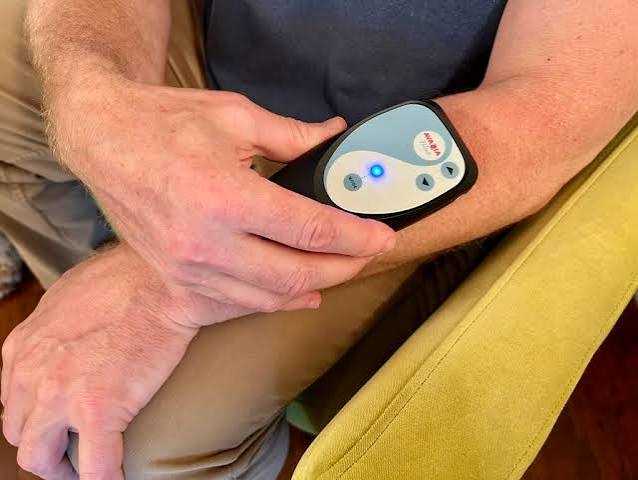
    That’s why so many people are investing in microcurrent technology.

    People have described it as “a hospital in your hand.” Maybe that’s a bold claim. Maybe it isn’t. But if having another option available could save you stress, discomfort or endless waiting, isn’t it at least worth looking into?

    The worst time to wish you had another option is when you need one.

    If you’ve been sitting on the fence, this sale might be the nudge you’ve been waiting for.

    Midnight tonight. Then it’s gone.

    Click here to learn more: ​Friend Offer Landing Page​ and scroll down to Open Advanced Devices And Upgrades, where you’ll see the Proprietary Devices and Accessories.

    Graeme Dinnen

    ResourcesForLife.net

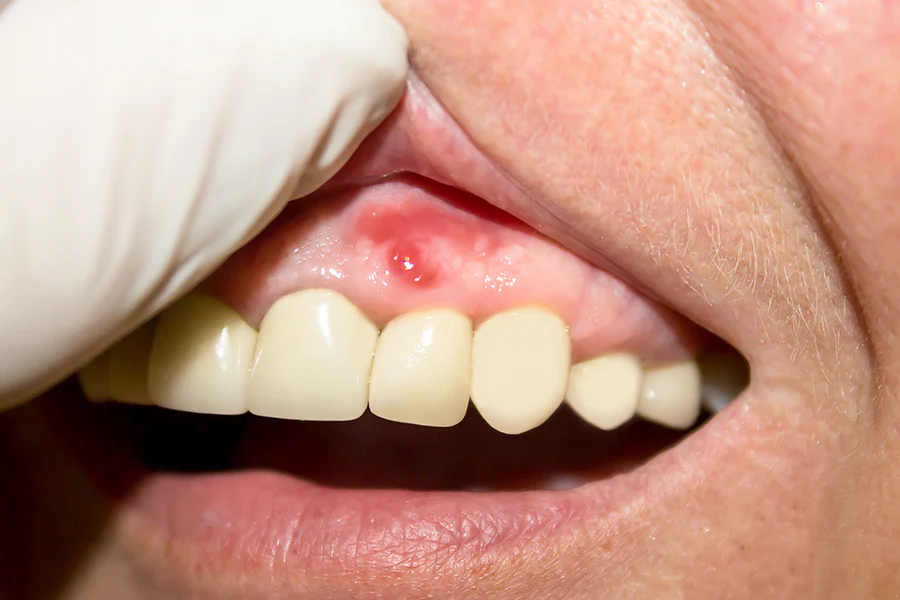
  • Your Mouth Knows More About Your Health Than Your Doctor Does

    Your Mouth Knows More About Your Health Than Your Doctor Does

    Few subjects empty a room faster than dentistry. Mention gums at a dinner party and you’ll find yourself talking to the cheese board before you’ve finished the sentence.

    Which is curious, because we spend an extraordinary amount of time worrying about what goes into our mouths, while paying remarkably little attention to the thing doing the receiving.

    Most people have no idea how much damage can quietly accumulate beneath an apparently respectable smile. Teeth are polished, breath is disguised with minty chemical warfare, and the gums are left to wage their own losing battle. It’s only when something begins to wobble, bleed or ache that we suddenly discover an urgent interest in oral health.

    Not you, of course. You’re still reading.

    A few years ago I stumbled across an online seminar called Functional Oral Health Summit: Say Ahh! It’s not a title that sets the pulse racing. Nobody ever cancelled Wimbledon to stay home for something called Say Ahh!.

    Yet behind the dreary branding is some remarkably compelling information about what happens when periodontal (gum) disease is allowed to settle in for the long haul.

    Gum disease is one of the commonest chronic health conditions on the planet, largely because it is both slow and polite. It doesn’t announce itself with fireworks. It simply gets on with dismantling things while we congratulate ourselves on brushing twice a day.

    The full presentation lasts 58 minutes. That’s a serious commitment in an age when people complain if a video exceeds ninety seconds. If time is tight, start with operating room nurse Jeanne Dockins between 29:20 and 32:05.

    In those few minutes you’ll also hear Dr David Verity explain why elective surgery should never be undertaken while periodontal disease is active.

    It’s an uncomfortable thought, considering that in the United States up to half of surgical patients are believed to have periodontal disease before entering hospital.

    Watch the whole presentation when you can. Not because it promises miracle cures or fashionable wellness jargon, but because it forces you to reconsider the mouth as something rather more significant than a convenient holder for teeth.

    The discussion also explores possible links between periodontal disease, sleep apnoea and certain cancers – areas that continue to be actively researched and debated.

    Your mouth is less a pristine showroom than a densely populated city. Around 700 species of bacteria live there, alongside fungi, viruses and the occasional unwelcome parasite.

    Some residents are industrious citizens; others are little more than organised criminals waiting for an opportunity. Health depends not on sterility but on maintaining order. Once the balance shifts, trouble rarely confines itself to the mouth.

    The old idea that dentists deal only with fillings while doctors deal with everything else has always been an artificial division. The mouth is the front door to the body, and it leaves clues everywhere.

    What Doctors Don’t Tell You once described several striking cases from the records of a British holistic dentist. In one, a patient presented with severe toothache, only to be told the problem wou,d be resolved after a colonic irrigation. In another, treatment involving the alignment of a tooth appeared to coincide with relief from a persistent hamstring injury.

    Whether or not you accept every conclusion drawn from such cases, they illustrate a broader principle that medicine has increasingly recognised: the body is a connected system, and symptoms do not always originate where they announce themselves.

    Inside your mouth are teeth, gums, tongue, cheeks, tonsils, salivary glands, muscles, bone and that curious little uvula hanging like an afterthought. Sharing the space are billions of microscopic organisms engaged in a perpetual negotiation for territory.

    Good health isn’t achieved by declaring war on every bacterium. It’s achieved by keeping the ecosystem in balance.

    Ignore it, and your mouth won’t be the only thing complaining.

    So next time you clean your teeth, keep at it for longer than you spend in the shower.

    Dental sayings:

    • You don’t have to clean all your teeth – only the ones you want to keep.

    • The toothbrush doesn’t remove six months of tartar 30 minutes before your dental appointment!

    • Dentistry is not expensive, neglect is.

    Graeme Dinnen

    ResourcesForLife.net

    PS You’ll find this and many other important aspects of dental health explained in a clear and accessible way throughout the book.

    Gum Disease: The Silent Battle In Your Mouth

    available on Amazon: https://mybook.to/BattlingGumDisease

  • What’s Your Biggest Threat?

    What’s Your Biggest Threat?

    Everyone is excited about AI. Or robots. Or oil prices. Or geopolitics, that endless international am-dram in which men in dark suits stride purposefully between podiums while being wrong in several languages at once.

    The modern world arrives gift-wrapped in anxieties. Somewhere near the top of the catalogue sits misinformation, accompanied by the factory-line production of deepfakes – counterfeit realities stamped out with industrial efficiency.

    But none of these things will ruin you.

    These are the spectres that keep me watchful. I depend on reliable information as others depend on fresh water, and it takes only the smallest contamination to taint the entire reservoir. Once doubt seeps in, every fact begins to taste faintly of forgery.

    Feed me tainted facts or dress fiction in the convincing costume of AI-generated reality, and even the most diligent machine can find itself confidently escorting nonsense into polite conversation.

    Yet the No #1 threat that will ruin you is already in your pocket.

    Your phone.

    Don’t click off because you’re read many articles about the hazards of cell phones and done nothing about it. It’s time to read on….

    That small, gleaming monolith of distraction was sold to us as liberation and functioning rather more like a digital ankle tag. It arrives with the promise of connection and quietly absconds with your solitude, your concentration and, eventually, any remaining capacity for boredom, which is a pity, because boredom is a crucible from which most good ideas emerge.

    We’ve all become digital twitchers.

    Not the charming, damp sort with binoculars and thermoses, but nervous little mammals forever checking a rectangle in the hope that someone, somewhere, has validated our continued existence with a thumbs-up emoji.

    The extraordinary thing is that intelligent people appear especially susceptible. Cleverness offers no immunity. Quite the reverse. Smart people simply construct more sophisticated excuses for their dependency.

    “I need it for work.”

    “I was just checking one thing.”

    “Research.”

    Of course, the addict always has a reason.

    The greatest social experiment in history isn’t happening in a laboratory. It’s happening every time we unlock our phones.

    Modern society increasingly rewards traits that once sat on the fringes of human behaviour: emotional detachment, relentless self-promotion, superficial relationships, and the pursuit of status over substance.

    Are We Engineering a More Psychopathic Society?

    Digital isolation, combined with the incentives of social media, may be nudging us toward patterns that resemble psychopathic behaviour – not because people are becoming psychopaths, but because the system rewards many of the same characteristics.

    Online, empathy is expensive. Outrage is profitable. Authenticity competes with carefully curated identities designed to maximise attention and approval. Human connection becomes transactional, measured in followers, engagement, and algorithms rather than trust, vulnerability, and shared experience.

    Then there’s the psychology of mass compliance when people respond, assuming they make entirely independent decisions, yet much of human behaviour is unconsciously influenced by the surrounding environment.

    Perhaps the most unsettling observation concerns manipulation itself. The people most vulnerable to influence are often those who believe they are immune to it.

    At the same time, social media may be accelerating the erosion of authentic human connection. Digital interactions increasingly replace face-to-face relationships, while algorithms prioritise engagement over wellbeing.

    The result is a culture that amplifies performance instead of presence, visibility instead of vulnerability, and validation instead of genuine connection.

    If our institutions, technologies, and incentives consistently reward behaviours associated with emotional distance, conformity, and impression management, what kind of society are we gradually creating?

    Become A Part-Time Mutineer

    Much of my approach to modern life consists of small, private mutinies. My cell phone spends most of its existence on airplane mode and, at night, is exiled to another room altogether. I refuse to wear those little radiation-puffing earbuds that leave people sitting in mute concentration, as though undertaking some obscure monastic penance in the hope of divine intervention.

    And the router? It is switched off every night without fail. Civilisation can survive a few hours without Wi-Fi; indeed, it occasionally seems improved by the absence.

    It is astonishing how quickly the mind, deprived of its electronic pacifier, begins first to itch, then protest, and finally, after an interval of considerable discomfort, to think.

    Really think.

    Without interruption. Without applause. Without the incessant narcotic drip-feed of novelty.

    My most creative time is while cycling. No one’s knocking on the front door, there are no incoming phone calls, no distractions from urgent paperwork spotted out of the corner of my eye.

    The future, I suspect, will belong not to those with the cleverest machines, but to those still capable of sustained attention. The rare people who can sit alone with their own thoughts and not immediately reach for a glowing piece of Chinese glass.

    A radical act, these days.

    Almost eccentric.

    Graeme Dinnen

    ResourcesForLife.net

    PS If you haven’t been told this many times already

    • the shorter your calls on a cell phone are, the better for your brain
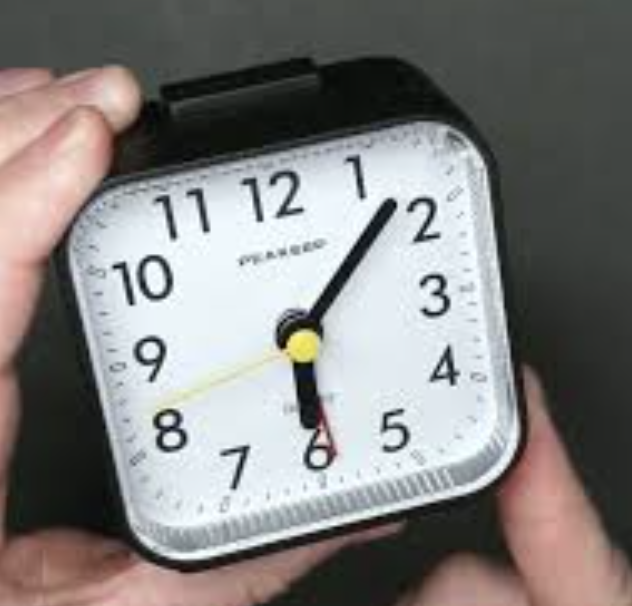
    • if you need an alarm, buy a battery-operated alarm clock. Not an electric one.

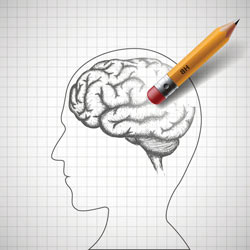
  • The Science of Memory Loss, and the Memory Loss of Science

    The Science of Memory Loss, and the Memory Loss of Science

    People often imagine science as a straight path: each discovery bringing us steadily closer to the truth.

    Alzheimer’s disease has never followed that path. Instead, its history looks more like a long debate, one that has gone on for decades without clear agreement.

    This story begins in 1901 with a German doctor, Alois Alzheimer, who examined the brain of a woman named Auguste Deter after her death. She was the first person to walk down memory loss lane as we know it today.

    He wanted to understand what had caused her severe confusion.

    By 1905, the disease had been named after him. Researchers noticed unusual clumps of protein in the brain, later called amyloid plaques.

    These plaques became the centre of Alzheimer’s research. Scientists developed the “amyloid hypothesis”: the idea that amyloid plaques are the main cause of the disease.

    The theory seemed logical and attracted enormous funding. Governments, including the National Institutes of Health, invested billions of dollars in treatments designed to remove amyloid from the brain.

    Despite this investment, Alzheimer’s remained difficult to treat.

    Some newer drugs, including monoclonal antibodies that target amyloid, can reduce plaque levels in the brain. However, their effects on memory and daily functioning have been, at best, modest, and some can cause serious side effects such as brain swelling and small brain bleeds.

    In 2003, French neuroscientist Sylvain Lesné declared that his research pinpointed amyloid plaque as the cause of Alzheimers. In 2022, they found his highly influential research to be fraudulent – investigators reported image irregularities in his published papers. But he got away with it for years and diverted genuine research in the wrong direction.

    Meanwhile the National Institutes of Health hd been duped into spending $300 million dollars a year to attack amyloid plaque. Today, pharma continues to produce medicines that they know don’t provide any real benefit but are happy to accept healthy annual subsidies.

    One example: Aduhelm – A drug steeped in controversy

    The Alzheimer’s story is beginning to look less like a triumphal march of science and more like one of those expensive expeditions that discovers, several billion pounds later, that it may have been reading the map upside down.

    The unsettling possibility is not fraud or conspiracy, but that an entire orthodoxy grew fat on evidence that was partial, shaky and simply too eagerly embraced.

    Science, gloriously, is built to correct itself. Less gloriously, it often does so at the speed of continental drift, particularly when careers, reputations and fortunes have been invested in the prevailing wisdom.

    Researchers are now asking a more awkward question: why does amyloid accumulate at all? A growing number suspect it may not be the villain of the piece, but part of the brain’s emergency services – a biochemical paramedic rushing to sites of injury, inflammation or even infection.

    Amyloid, in this telling, may be less the arsonist than the fire brigade.

    Meanwhile, the unglamorous business of living well still matters. Sleep appears to help the brain clear away its metabolic rubbish, while exercise is associated with sharper cognition and may even encourage the growth of new brain cells.

    Alzheimer’s resists simple explanations. The real failing may have been intellectual overconfidence: a field so enamoured of a single theory that it stopped looking over its shoulder.

    Natural health author and researcher Patrick Holford (BSc in experimental psychology), attended a conference on mental health at which he presented papers evidencing the causes outside the theatre of amyloid plaque. His research was ignored, his question to the panel went unanswered and he wasn’t invited back the following year.

    Cognitive Reserve

    As for reducing dementia risk, one important concept is cognitive reserve. This refers to the brain’s ability to cope with damage by using alternative neural pathways.

    But the brain is fundamentally lazy. Once it masters a task, it puts it on autopilot to save energy. ⠀ You can do a crossword or Sudoku puzzle every single morning for 10 years. But after a while, your brain isn’t actually working hard anymore. It’s just driving down a well-paved road.

    The real secret to a bulletproof brain? Cognitive friction. It’s the habit of consistently doing things you are absolutely terrible at. ⠀

    When you force yourself to learn a new language, pick up the piano at 50, or even just navigate a new city without GPS, our brain gets uncomfortable. It has to burn energy to build entirely new neural pathways. Even handwriting, an almost forgotten art, engages cognitive friction.

    Our culture tells us that getting older means finally getting to be comfortable. But neurological comfort is a trap.

    If your daily routine is perfectly predictable, your brain is slowly going to sleep. If you want to keep your mind alive until the very end, you have to drop the ego.

    Embrace the frustration of being a beginner again. Every single day, give your brain a reason to wake up.

    Blood Quality Means Everything

    Your brain is the most energy-hungry organ in your body.

    Although it represents just 2% of your body weight, it consumes an extraordinary 20–25% of all the energy you produce. Every thought, memory, decision and moment of focus depends on one thing above all else: an uninterrupted supply of blood-delivered oxygen and glucose.

    Healthy blood flow is not simply important. It is fundamental to vitality, cognitive performance and healthy ageing.

    Blood is your body’s crimson river of life. It nourishes every cell, removes toxins, repairs damage and defends against infection. Without efficient circulation, the brain cannot perform at its best.

    Blood reaches the brain from the base upwards, and then travels from back to front. The last area to receive this supply is the prefrontal cortex, the command centre responsible for concentration, planning, judgement and decision-making.

    When blood flow is less than optimal, this critical region may be among the first to feel the effects. Brain fog, poor concentration, mental fatigue and declining cognitive performance can gradually become part of everyday life.

    Many people simply accept these changes as an inevitable consequence of ageing.

    They are not.

    Modern life places enormous demands on the brain. Stress, inflammation, poor sleep, environmental toxins and the ageing process itself can all compromise circulation and cellular energy production.

    The good news is that there is something you can do.

    Vielight’s technology offers a simple, non-invasive way to support healthy circulation, cellular energy production and brain function – all from the comfort of your own home.

    Shining therapeutic light through the nasal passages may sound unconventional, yet the science is compelling. The nasal cavity contains an exceptionally rich network of blood vessels, providing an ideal gateway for delivering light energy to circulating blood and supporting whole-body health.

    How it works: (0.35)

    The MIP is available without prescription or referral. But compare that investment with the true cost of cognitive decline: lost independence, diminished quality of life, and the heartbreak experienced by families watching a loved one slowly fade.

    The choices you make today will influence how clearly you think, how independently you live and how fully you enjoy the years ahead.

    Waiting rarely improves health. Taking action can.

    Your future self may thank you for acting today.

    Explore the Vielight range . Scroll down to Brain and systemic health – Portable and determine which model suits you best.

    IMPORTANT: Use Code RFLBIO and save yourself 10%

    Graeme Dinnen

    ResourcesForLife.net

  • Running On Empty: Why Modern Life Leaves Us Depleted

    Running On Empty: Why Modern Life Leaves Us Depleted

    The Modern Body Under Siege

    For the first time in history, we humans live under a sort of permanent atmospheric assault: underfed and overexposed, chemically pickled, nervously exhausted, electronically simmered.

    The old covenant between man and his environment has been quietly revoked. Food no longer nourishes with any conviction. Water arrives carrying the ghostly residue of industry and pharmaceuticals.

    The air tastes faintly of combustion and solvents. The soil, once black with mineral richness, has been strip-mined into a dead substrate propped up by synthetic fertilisers that keep crops upright but leave vitality somewhere back in the previous century.

    Meanwhile the body, that absurdly optimistic sack of organs, is expected to absorb an endless drizzle of additives, pesticides, plastics, medications, heavy metals and environmental toxins, all accumulating with the efficiency of unpaid parking tickets.

    And then we wonder why everyone doesn’t perform at their best.

    Most people aren’t ill in the dramatic, traditional sense. They’re just running on empty. Deficient, depleted, chemically confused – like racehorses being fuelled on instant noodles.

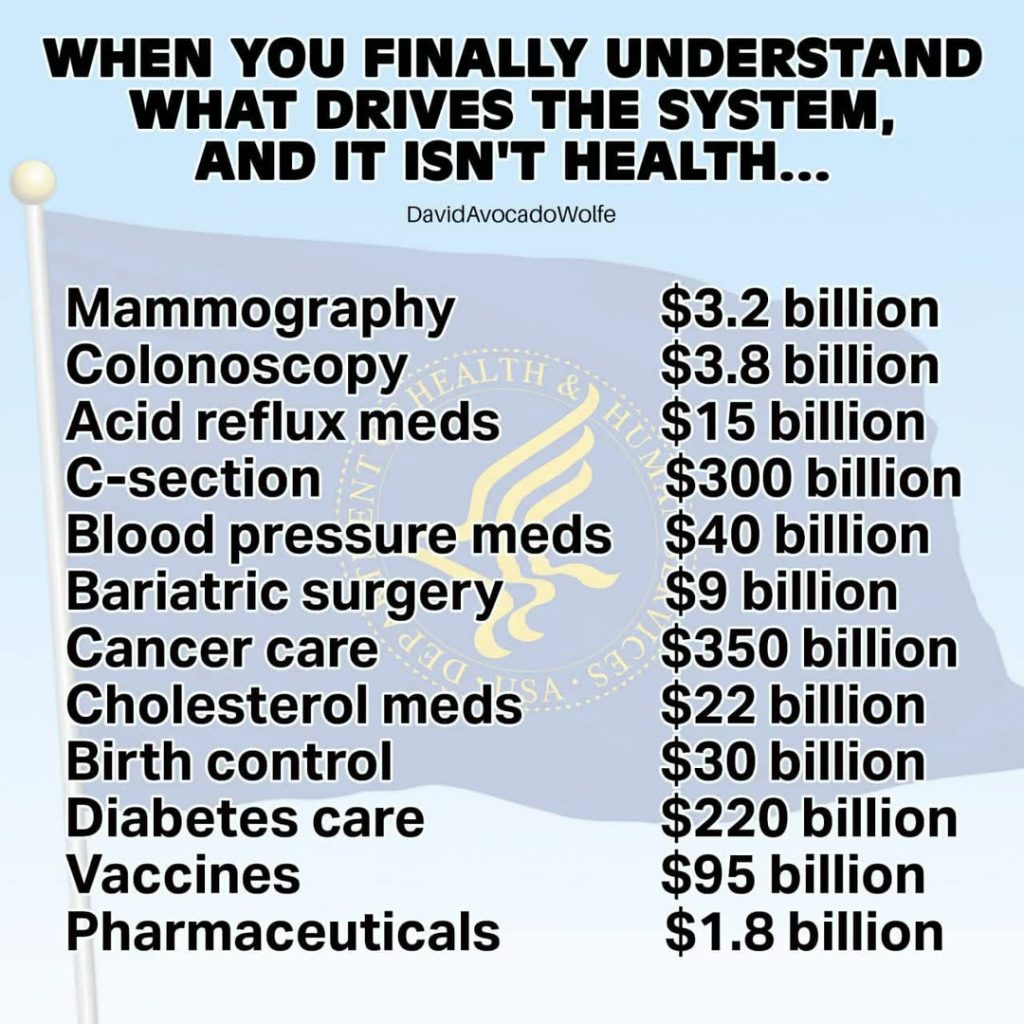
    In America, prescriptions are handed out with the casual abundance of casino loyalty cards, many commonly prescribed medications being given to patients despite the risks often outweighing the benefits.

    When Medicine Becomes a Chemical Burden

    In the USA, two-thirds of adults are estimated to be carrying at least one pharmaceutical chaperone, and the average citizen collects nine prescriptions a year, as though accumulating medications were some suburban hobby, like birdwatching or artisanal barbecuing.

    One of the more dispiriting sights in medicine is the elderly patient arriving not so much as a person but as a rattling chemistry set, burdened by a plastic bag of pills that weighs more heavily than the ailments they were intended to treat.

    The modern patient is often treated less as a human being than as a series of biochemical opportunities.

    When a doctor hands you a prescription, most of us accept it with the same unquestioning faith we reserve for airline pilots and plumbers. The pill arrives in a box, the doctor wears a reassuring expression, and that is usually the end of the inquiry. Safe? Of course it’s safe. Otherwise they wouldn’t be giving it to you, would they?

    But certainty, like sausage meat, becomes less appetising the closer you get to its manufacture.

    How does the doctor know it’s safe? Largely because somebody from the pharmaceutical company told him so, accompanied by glossy literature, graphs marching obediently upwards, and references to clinical trials whose conclusions appear satisfyingly authoritative. 

    Most doctors, being busy and human, stop there.

    The awkward question is how the drug company knows. The answer, disturbingly often, is that it doesn’t. Or worse, that it knows rather more than it admits. Modern medicines pass through elaborate and expensive trials, yet the raw data underpinning those reassuring conclusions frequently remains hidden from public scrutiny. 

    The company presents the verdict; the jury is never shown the evidence.

    Research papers are especially theatrical performances. Few readers venture beyond the executive summary, which is convenient because that is often the part most carefully polished by marketing departments.

    Ghostwriters compose, sponsors influence, and eminent academics occasionally lend their names like aristocrats opening supermarkets.

    Meanwhile, out in the real world, patients become the final phase of testing. A doctor may gradually notice that a surprising number of people taking a new drug are developing high blood pressure, strokes, or something equally inconvenient. 

    Reporting systems exist, but they are underused and underpowered.

    Sometimes the truth emerges only after years of prescriptions and funerals. Vioxx remains the cautionary monument: a drug linked to tens of thousands of deaths before the full scale of its dangers became impossible to ignore. The scandal was not merely that people died. It was that somebody knew more than they said.

    A case in point if you’re offered, or are taking medicines for Alzheimers: https://www.facebook.com/reel/3329113093930228

    Take statins. I’ve repeatedly stressed that their benefits are frequently sold with the enthusiasm of a timeshare presentation. Yet, at best, five years of dutiful swallowing may purchase an extension of life measured not in months or even weeks, but in a handful of days.

    Meanwhile, a substantial minority of statin users acquire unwelcome souvenirs: muscle pain, mental fog, and the unsettling sense that their medication is making them feel older rather than younger.

    The absurdity of this pharmaceutical arms race was illustrated rather neatly by a 2007 study. Simply stopping the least necessary medications produced a 23 percent reduction in mortality and an 18.2 percent drop in hospital referrals. 

    And as always, when doctors go on strike, the death rate always plummets.

    You might imagine such a result would trigger a moment of collective reflection. Instead, it disappeared beneath the relentless momentum of a medical culture that regards an empty prescription pad with the same suspicion a banker reserves for an idle pound note.

    The direction of travel remains stubbornly one-way: more drugs, more combinations, more opportunities to medicate the side effects of the medications prescribed to treat the side effects of the previous medications. The patient becomes an afterthought, somewhere beneath the paperwork and pill bottles.

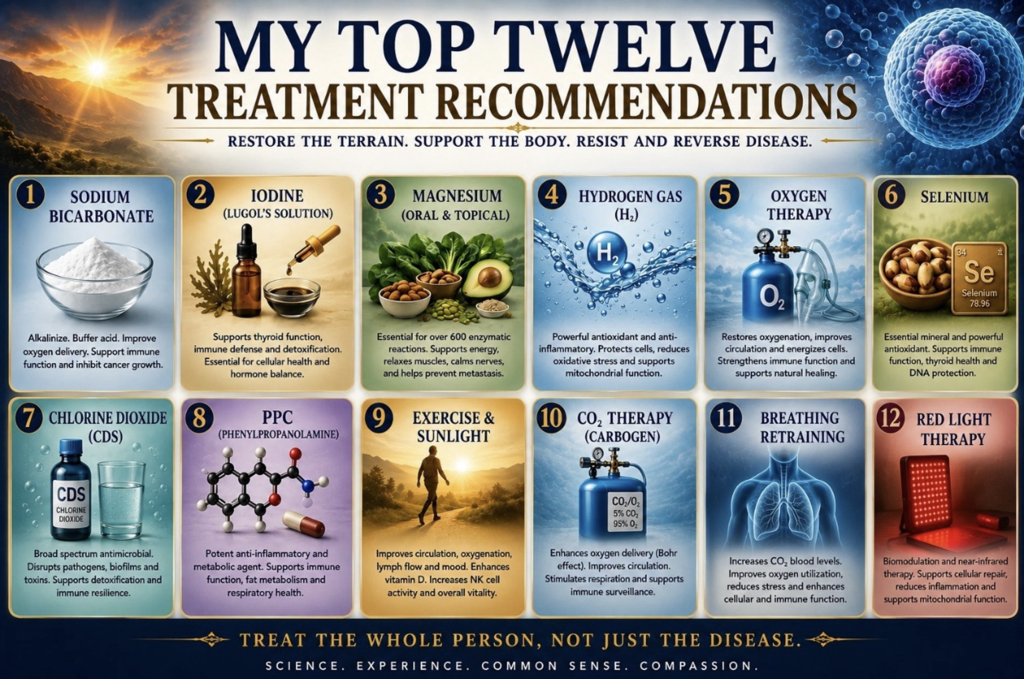
    What can we do? With thanks to Dr Mark Sircus for this sensible chart.

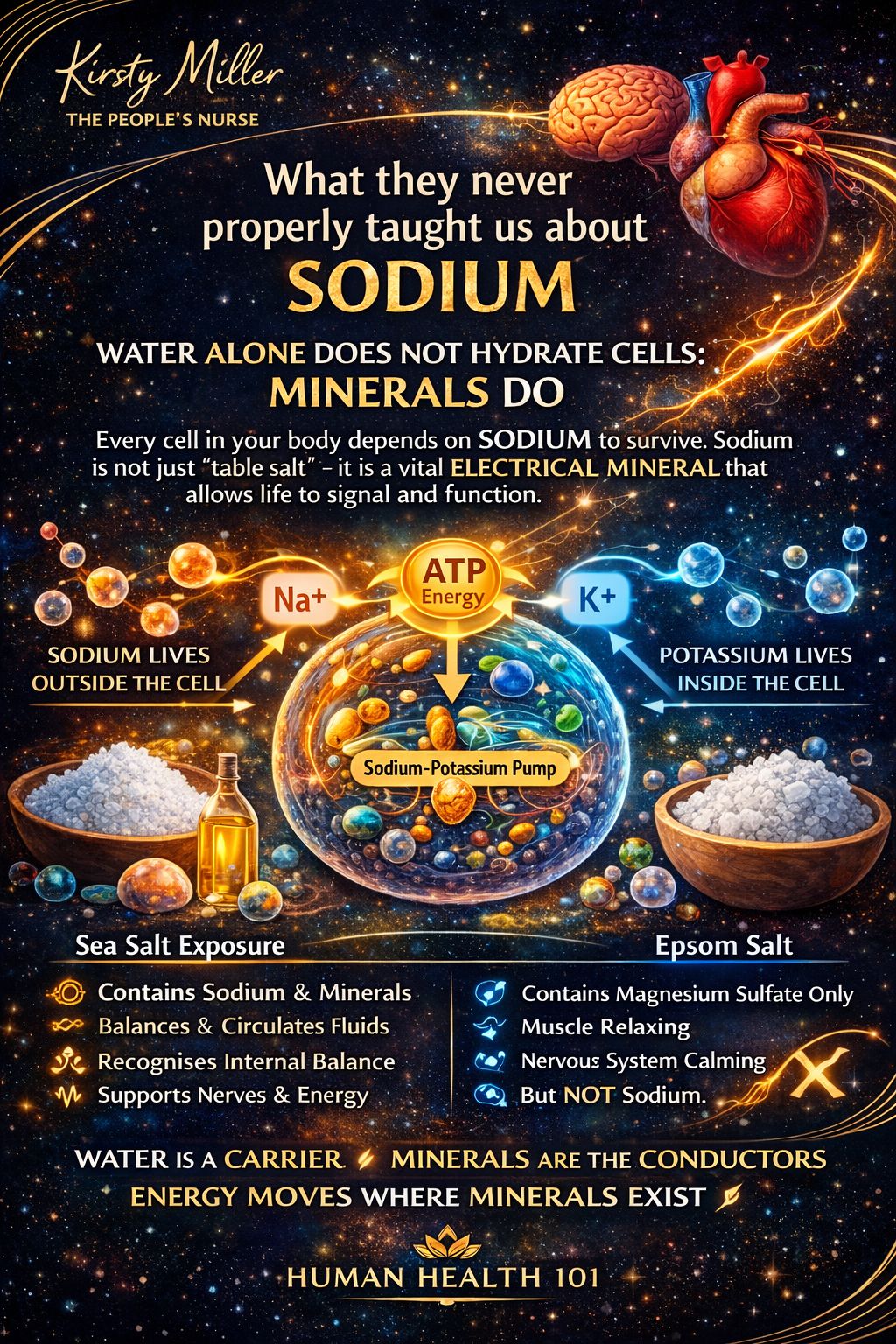
    Kirsty Miller was a Nurse in the system. She says that sodium was usually the first protocol administered for every patient, yet they tell you salt is bad!

    “This Is what they never properly taught us about sodium” she said.

    Kirsty was trained to tell people to drink more water. She was trained to fear salt. She was trained to repeat guidelines without ever questioning the biology underneath them.

    Then she started asking why people were still exhausted, dizzy, foggy, inflamed and unwell despite “doing everything right.”

    Here’s the truth most people are never told

    • Water alone does not hydrate cells. Minerals do.
    • Water is the carrier. Minerals are the conductor. Energy moves where minerals exist.

    Every cell in the human body depends on sodium to survive. Not as seasoning. Not as a villain. But as a primary electrical mineral that allows life to move, signal and function.

    No bleached table salt, proper earth salt. Celtic Sea Salt. I hope you don’t eat table salt, because it is industrially processed.

    The body isn’t dry.  It’s demineralised.  I’ll write it again – water is a carrier, minerals are the conductors. Energy moves where minerals exist

    “I didn’t learn this from a pamphlet,” says Miller, “I learned it from watching real people suffer while being told they were “fine.” I learned it by stepping outside the system and actually following the physiology. I learnt it by questioning everything I was taught and discovering pathways to independent healthier life choices.”

    Mineralisation is not an alternative. It is foundational biology.

    You cannot think clearly, move properly, regulate your nervous system or truly hydrate your cells without adequate sodium.

    This isn’t opinion – it is cellular physiology.

    And once you see it, you can’t unsee it.

    Graeme Dinnen

    ResourcesForLife.net

Graeme Dinnen
Privacy Overview

This website uses cookies so that we can provide you with the best user experience possible. Cookie information is stored in your browser and performs functions such as recognising you when you return to our website and helping our team to understand which sections of the website you find most interesting and useful.