
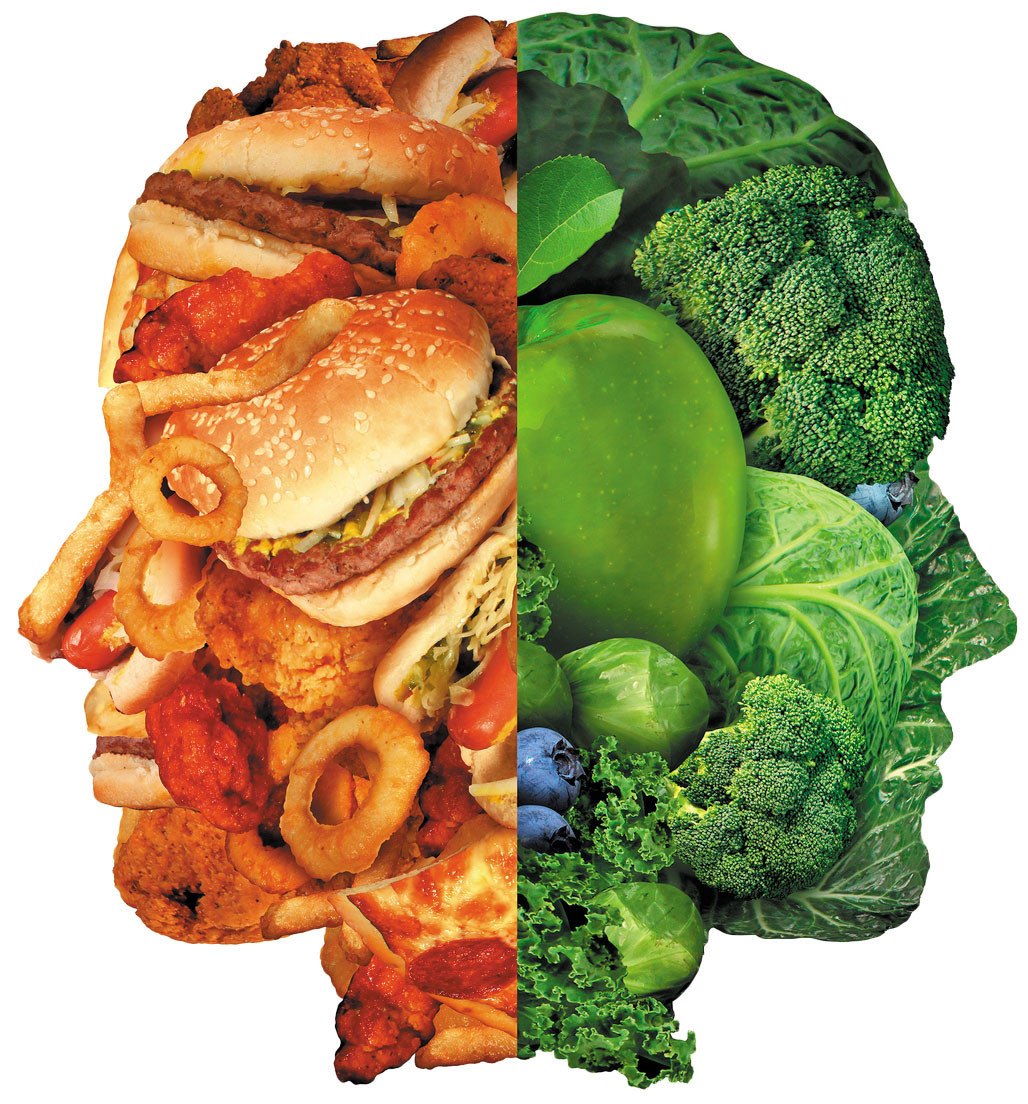
This is longer than my usual offerings. But stick with it. I promise you’ll finish it feeling that the time was well spent – and possibly wondering why nobody told you this before. You may even find yourself a little angry. Not at me, but at the many deceits that have been done to you, your food and, ultimately, your family in the name of feeding us.
Tom Mueller is American. He moved to Italy and settled in an old stone farmhouse outside Genoa, surrounded by olive trees. It was there, among the olives, that he began to wonder why so much olive oil tasted of absolutely nothing.
So he asked.
He asked growers, chemists, tasters and policemen. The answers were rather less wholesome than the labels.
On 13 August 2007, The New Yorker published his investigation, “Slippery Business.” Much of the oil being sold as extra virgin, Mueller discovered, wasn’t. It was cheap oil that had been cleaned, coloured and deodorised until it could impersonate something expensive.
Sometimes it wasn’t olive oil at all. Soybean. Sunflower. Hazelnut. Whatever was cheapest.
There was history to it. In Spain, in 1981, industrial rapeseed oil intended to be inedible was processed and sold as olive oil. More than 20,000 people became ill. Hundreds died. Many survivors were left with permanent illness.
In 2010, UC Davis tested imported oils sold in California as extra virgin. Most failed the tests.
Mueller followed it with a book. Extra Virginity, published in 2011, became a bestseller. People began looking at bottles rather than merely admiring the Italian on the label.
We gave up on supermarket oil years ago and buy ours from Citizens of Soil (Uk only) that offers small-batches sourced by an olive oil sommelier and packed with polyphenols. Try it – they’ll give you a discount for your first purchase
Then there was Larry Olmsted.
Olmsted was an American journalist who wrote about food and travel for Forbes and USA Today. In 2012 he became suspicious about Kobe beef. It appeared everywhere: Kobe burgers, Kobe sliders, even Kobe hot dogs.
He asked the obvious question.
Where did the meat come from?
The answer was wonderfully inconvenient. Japan wasn’t exporting beef to America. There had been a ban for years. Not a legal gram of Kobe beef had entered the country.
The meat wasn’t necessarily being sold illegally. The problem was that, in America, the word Kobe wasn’t protected. Anyone could put it on a menu.
So Olmsted wrote a book about it: Real Food, Fake Food, published in 2016.
Then came parmesan.
Bloomberg tested grated parmesan sold in American supermarkets and found cellulose – essentially wood pulp – mixed into some products. A little is permitted to prevent clumping. Some samples contained twice that amount. Others four times. One television investigation found more than 20 per cent.
The FDA subsequently investigated a Pennsylvania company selling tubs labelled 100 per cent parmesan. They contained cheaper cheeses and filler. The company’s president pleaded guilty.
Real Parmigiano Reggiano comes from a tightly defined part of Italy, under rules so obsessive they make the Mafia look casual. The name is protected.
“Parmesan” in America, however, can mean almost anything.
Then came the fish.
DNA testing revealed that what people were eating and what they thought they had ordered were frequently different species. One nationwide study examined 1,215 samples. About a third were mislabelled.
Snapper was wrong 87 per cent of the time. Tuna, 59 per cent.
A New York sushi investigation tested every restaurant on its list. Every one was serving something other than the fish advertised.
It’s an elegant fraud. Once a fish has been filleted, its identity has disappeared. A cheap fish acquires an expensive name and suddenly becomes three times the price.
Sometimes the deception is more than financial. A cheap fish sold as white tuna can make people seriously ill.
Neither Mueller nor Olmsted was a scientist. Neither had a laboratory or a badge.
They had notebooks.
And they had the irritating habit of asking the question that nobody else had thought worth asking:
Where does this actually come from?
Mueller kept digging. In 2019 he wrote about whistleblowers – people who expose what their own employers are doing and frequently discover that truth is an expensive hobby.
After years investigating food fraud, he had arrived at something larger: courage.
And that is the peculiar thing about all this. We’re not talking about forged Picassos or stolen diamonds. We’re talking about the ordinary things in the kitchen.
The bottle of oil.
The tub of cheese
The fish on the menu on Friday night
You paid extra for a name. Someone sold you something cheaper wearing it.
And almost nobody checks.
Why would they?
Two writers asked one rather boring question and discovered a global industry built around nobody asking it.
Somebody will grate parmesan over their pasta tonight, possibly with a respectable quantity of wood pulp, and never know.
Two men with notebooks. One in an Italian farmhouse, the other writing about food and travel in America.
Both asked the same question.
Where did this actually come from?
Both wrote bestselling books about the answer.
And millions of shoppers have been looking rather more closely at what they’re buying ever since.
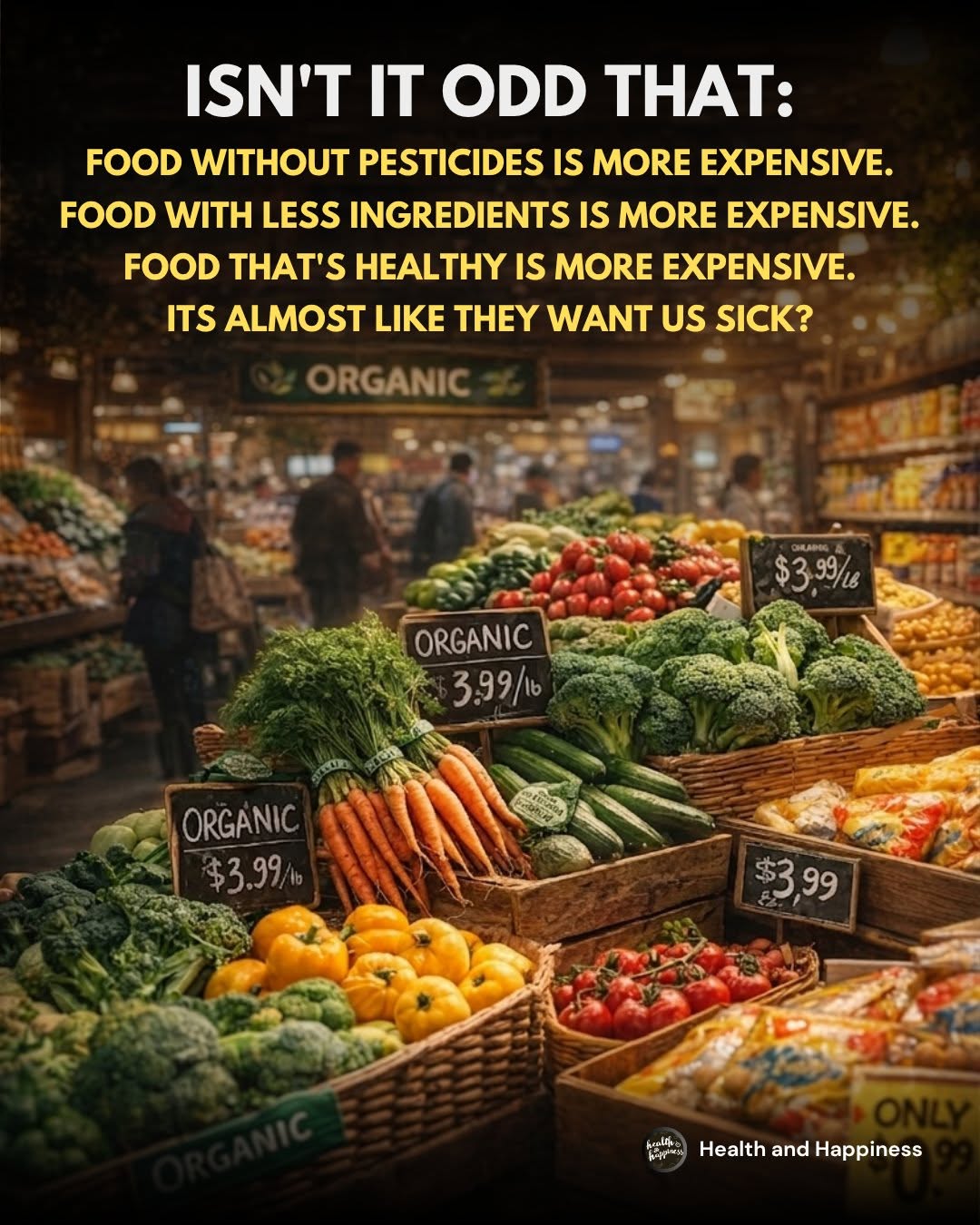
It gets worse – our supermarkets are now laboratories disguised as grocery stores. Thousands of products. Every colour of the rainbow. Strawberries in January. Tomatoes that look as though they have been issued by the Ministry of Geometry. Bread that stays soft for a week. Chicken breasts the size of paving slabs.
Heaven help the outlet manager if a carrot that isn’t straight slips through.
It looks like prosperity.
But much of it is really an exercise in industrial engineering.
Consider bread. Flour, water, yeast and salt used to be enough. Now a loaf can contain emulsifiers, enzymes, preservatives, processing agents, vegetable oils, added sugars and a list of ingredients that makes the contents of a chemistry cupboard look modest. The objective is no longer simply to make bread. It is to make bread cheaply, quickly, consistently and soft enough to survive a nuclear winter.
By from your local baker, not the supermarkets. The supermarket croissants, to me, taste of cardboard.
Then look at chicken.
The modern supermarket chicken has been bred to grow at extraordinary speed, reaching slaughter weight in roughly five to seven weeks. The breast has become so disproportionately large that the industry has had to contend with conditions such as woody breast – meat that can become unusually hard and fibrous. We have effectively redesigned the bird around the consumer’s appetite for cheap breast meat.
And cheap sausages can be even more revealing. Some contain surprisingly little pork, with the remaining bulk made up with water, cereals, starches and other ingredients. The sausage has become a remarkable demonstration of how far you can stretch a little meat when the label and the law are on your side.
Now take a supposedly healthy fruit yoghurt.
You might imagine milk, live cultures and strawberries.
Instead, depending on the product, you may find sugar, sweeteners, modified starch, thickeners, flavourings, colourings and fruit preparations. The strawberry on the front of the pot is sometimes doing considerably more work than the strawberry inside it.
And processed cheese slices are another triumph of modern food science. Cheese can be processed with emulsifying salts and other ingredients to produce a product that melts with almost mathematical precision. It is wonderfully convenient. It is also a very long way from the simple business of turning milk into cheese.
Then there is the extraordinary case of chicken nuggets.
A food that began as chicken has been mechanically processed, mixed with other ingredients, shaped, coated and fried before being frozen and shipped around the country. What arrives on the plate bears the name of the animal but remarkably little resemblance to the bird.
None of this means supermarkets are full of poison. That would be lazy nonsense.
The more uncomfortable truth is that the system has become exceptionally good at producing food that is cheap, attractive, convenient, durable and profitable.
Nutrition is only one consideration.
Real food has an inconvenient habit of spoiling. Apples bruise. Bread goes stale. Fish smells. Tomatoes soften. Strawberries rot.
Industrial food has largely solved these problems.
And perhaps that is precisely the problem.
Because when a food can sit on a shelf for weeks, survive a journey of hundreds of miles, look identical every time and require an ingredients list longer than the shopping list, perhaps the question isn’t “Is it safe to eat?”
Perhaps we should be asking something rather more fundamental.
What, exactly, are we eating?
I came across these links on social media. Watch them in your own time as they are valuable. Save them somewhere for future reference
Bread 1 https://www.facebook.com/reel/2048918979081124
Bread 2 https://www.facebook.com/reel/1398099642283825
Butter https://www.facebook.com/reel/1037876175674460
Eggs. https://www.facebook.com/reel/1722284275653089
Honey. https://www.facebook.com/reel/1323639869842850
Fruit and veg. https://www.facebook.com/reel/1771334583900222
Citric acid is NOT from lemons – https://www.facebook.com/reel/1581592253568375
Tea. https://www.facebook.com/reel/2622471208155184
Canned fish. https://www.facebook.com/reel/1072848572308329
Spaghetti https://www.facebook.com/reel/852962674527560
Yoghurt. https://www.facebook.com/reel/1483214943025070
Rice. https://www.facebook.com/reel/2249176032499095
Cheddar Cheese. https://www.facebook.com/reel/2082841369333343
Fish. https://www.facebook.com/reel/27295949376743513
Baked beans. https://www.facebook.com/reel/1378542550792503
Shopping at Aldi. https://www.facebook.com/reel/1023338273520867
Shopping at Iceland. https://www.facebook.com/reel/1396840928492008
M & S food. https://www.facebook.com/reel/1726905718605531
KFC. https://www.facebook.com/reel/1005037898985357
Shopping at Morrisons. https://www.facebook.com/reel/2175289203252018
Shopping at Costco UK https://www.facebook.com/reel/949446848172589
Shopping at Waitrose. https://www.facebook.com/reel/2137756637169110
Pasta. https://www.facebook.com/reel/852962674527560
flour. https://www.facebook.com/reel/2043106242894903
If you want your Organic Flour Non Fortified then get on board with our regular orders to the exempt mills. Organic Flour as nature intended. Supply is capped and limited. Demand is huge. Don’t miss out. Get on our list by placing your first order today. https://www.goodfoodproject.co.uk/collections/stoates-flour-collection
Meat brands. https://www.facebook.com/reel/1062729873285785
Meat Pies https://www.facebook.com/reel/2234170354095048
Mince. https://www.facebook.com/reel/876632415031755
Frozen chips. https://www.facebook.com/reel/1960350977983438
Cadburys. https://www.facebook.com/reel/1782993339617891. and https://www.facebook.com/reel/1060653300156187
Lindt. https://www.facebook.com/reel/653111963907293
Melt a flake. https://www.facebook.com/reel/2048778986029588 (this is one you can try at home!)
Biscuits. https://www.facebook.com/reel/1579043117334523
Crisps. https://www.facebook.com/reel/1970580243613279
Supermarket soap. https://www.facebook.com/reel/1005873708450116
seeds. https://www.facebook.com/reel/997046816377285
washing liquids. https://www.facebook.com/reel/1638024023933991
Ice cream. https://www.facebook.com/reel/2162284034340018
detergents. https://www.facebook.com/reel/1354528370155699
Toilet Paper. https://www.facebook.com/reel/1116479537398905
UK restaurants. https://www.facebook.com/reel/27370652662547289
Superfoods. https://www.facebook.com/reel/28358100013807534
FT. UK canned ‘mackerel’ now contains no mackerel
M & S bins. https://www.facebook.com/reel/1520164119094339
Lidl bins. https://www.facebook.com/reel/2124433858182657
Food thrown away. https://www.facebook.com/reel/2755325671530293
Food abuse. https://www.facebook.com/reel/1772196470762009
Olive oil vid. https://newvitalityfindings.com/tonia-olive-oil-vsl/. plus. https://newvitalityfindings.com/olive-oil-warning/?utm_source=fb&utm_campaign=120255201746960715&utm_content=120256764532440715&utm_term=120256764558570715&utm_medium=paid_social¶m1=NewC&utm_id=120255201746960715&fbclid=IwY2xjawUT8btwZG9mBWV4dG4DYWVtATAAYWRpZAGrPOPli9pLc3J0YwZhcHBfaWQQMjIyMDM5MTc4ODIwMDg5MgABHsELKHawqFJfeInNm-j9bWQlRfg6RKlTKi0vWJPNx3D09UwB3eTzN9Bt436v_aem_EbWgb-NHeREvhJ3vnO1-PA&campaign_id=120255201746960715&ad_id=120256764558570715
Exposing the pesticide playbook. https://www.facebook.com/reel/1581592253568375
This list is not exhaustive.
This new ‘Tesco finest’ Madagascan vanilla extract is a complete farce. €3.65 for this little 60ml bottle but you’re paying for mostly dark brown sugar and only 4.5% vanilla! Think of the profit margin they’re making… A 500g bag of dark brown sugar in Tesco is only €0.99 cent 
If this is not a stark example of how much we need better regulation of front of pack food labelling, then I don’t know what is! This label could not be any more misleading. It is mostly brown sugar so the image on the front should in fact be of some brown sugar… not the lovely looking vanilla pod.. and it shouldn’t be allowed to be called Madagascan vanilla extract 
By now, you’ll probably understand why our cheese comes from The Fine Cheese Company rather than the supermarket, and why we use the local fishmonger and baker whenever we can.
It isn’t food snobbery. It’s self-defence.
And I haven’t even started on what we drink.
That particular rabbit hole deserves an article of its own.
For more subjects, discoveries and up-to-date information, follow Protect our Plates Briefed, Memories from Brittania, Nature’s Lost Vault and Sophie Morris on Facebook. My thanks to all of them for the considerable work they do in exposing, investigating and questioning what we are increasingly told to accept as food.
Because somebody, somewhere, has to give a damn about what ends up on our plates.
Graeme Dinnen

Leave a Reply