
“Sandalwood, tagara, lotus, jasmine – the fragrance of virtue is unrivalled by such kinds of perfume.” Gautama Budd
If I were to embark on a journey into the world of essential oils, my first choices would be Sandalwood, Cinnamon, and Ginger. These three oils not only offer a rich tapestry of aromas but also carry with them deep, grounding qualities and a sense of warmth and comfort.
Sandalwood’s soothing, woody fragrance is perfect for creating a calm, meditative atmosphere. Cinnamon, with its spicy, invigorating scent, adds a touch of warmth and energy to any space. Ginger, known for its refreshing and revitalising aroma, can uplift the spirit and sharpen the mind.
I’d be stepping into a world where the art of aroma is as much about the soul as it is about the senses.
Sandalwood, known botanically as Santalum, is a tree steeped in history, renowned for its luxurious aroma and multifaceted benefits. For centuries, this exotic wood has been revered, not only for its captivating scent but also for its spiritual and therapeutic uses.
Lighting a sandalwood incense stick is a simple yet profound ritual that infuses any space with a calming, earthy fragrance – an ideal backdrop for sparking creativity or diving into deep reflection.
A Fragrant Treasure with Deep Roots
Sandalwood is far more than just a fragrant delight; it’s a powerhouse of healing. Ancient Ayurvedic scriptures celebrate this tree for its wide range of medicinal properties. Sandalwood boasts an impressive list of health benefits: it’s antiseptic, antidepressant, anti-inflammatory, and antispasmodic (relieves muscle spasms).
It’s also known for its aphrodisiac qualities, astringent effects (tightens tissues), cicatrisant (heals scars), carminative (eases digestion), diuretic, disinfectant, emollient (soothes skin), expectorant, hypotensive (lowers blood pressure), memory-enhancing, sedative, and tonic properties.
Throughout history, sandalwood oil has been a key ingredient in both perfumery and traditional Indian medicine, used to treat ailments like sore throats and laryngitis. In the realm of skincare, it’s a true gem, providing relief from itching, treating urinary tract infections, reducing inflammation, and healing dry skin.
Sandalwood’s therapeutic qualities extend to treating rashes, scars, acne, eczema, psoriasis, and even dandruff.
Thanks to its myriad medicinal properties, sandalwood remains a go-to remedy for various skin issues, offering effective results whether used alone or in combination with other natural ingredients.
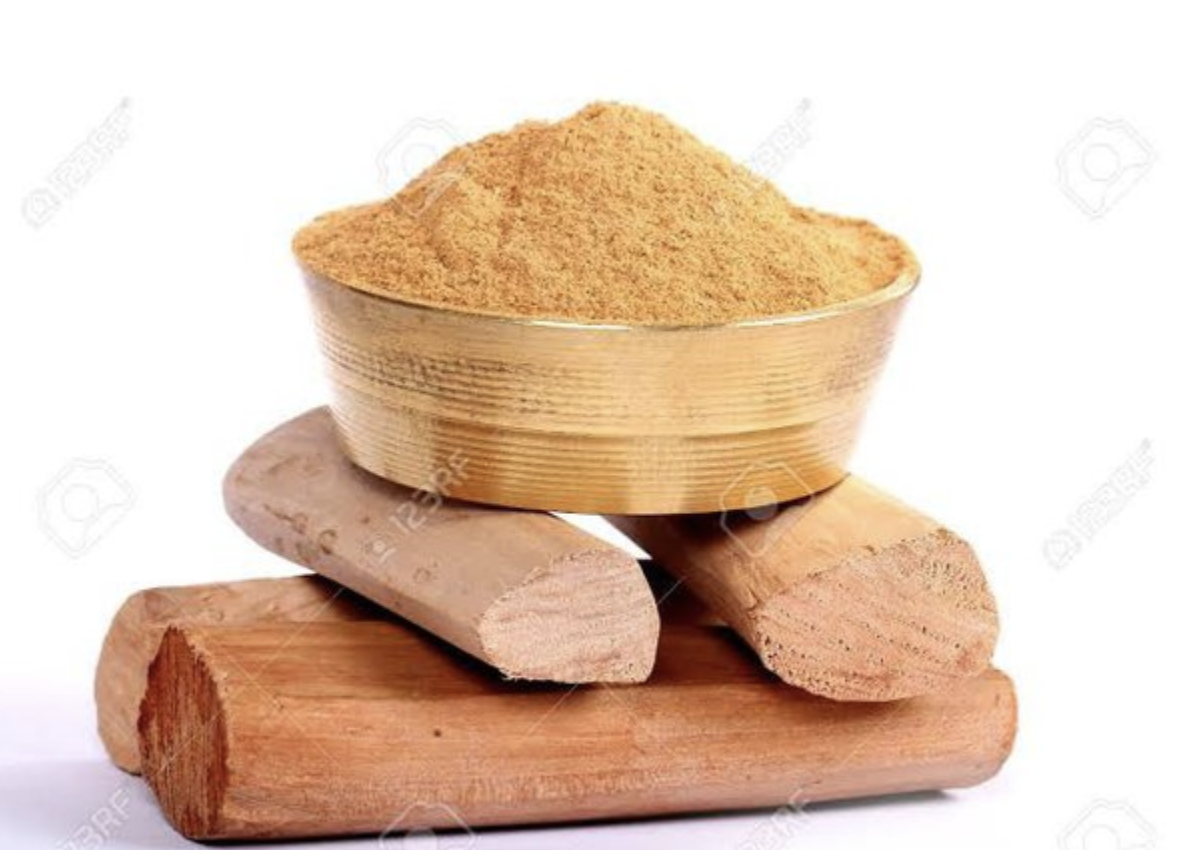
The Enduring Legacy of Sandalwood
Around 3,000 years ago, India embraced the use of aromatic oils, a practice deeply rooted in the ancient Vedas. These sacred texts celebrate over 700 different substances for their medicinal and essential oil properties, with ginger, sandalwood, and cinnamon among the most revered.
While sandalwood is often associated with India, its true origins trace back to the island of Timor in East Indonesia. In the Indonesian language, “Timor” fittingly means “East.”
Historical accounts, including those of Marco Polo, reveal that sandalwood was traded along ancient routes between Asia and Egypt as far back as 4,000 years ago. The Egyptians valued it highly, using it in medicine, embalming practices, and religious ceremonies.
In Buddhism, sandalwood ranks among the top three incenses, treasured for its spiritual and grounding properties. It plays a crucial role in rituals, meditation, and funerals, offering comfort to the living and guiding the deceased in their transition.
Zoroastrians, too, burn sandalwood to “soothe the troubles of all humanity.” However, its widespread use almost led to its extinction, and today, sandalwood is prized mainly for its precious oil.
The Art of Cultivating Sandalwood
Sandalwood trees are a lesson in patience, taking 60 to 80 years to mature and develop their coveted oils deep within the heartwood and roots. Unlike most trees, sandalwood is never simply felled; instead, it is carefully uprooted during the rainy season to preserve these valuable oils. The older the tree, the richer its oil, and the more intoxicating its aroma.
These trees are unique in their ability to thrive independently, often appearing in unexpected locations. Today, major sandalwood harvests occur in Vietnam, New Caledonia, Melanesia, and the Indian states of Mysore and Tamil Nadu, where the trees are state-protected.
Interestingly, sandalwood and jasmine trees not only share a beautiful fragrance but also attract snakes with their cool, shaded canopies.
The Importance of Authenticity
The high demand for sandalwood has led to widespread adulteration, with inferior woods and oils often passed off as the real thing. Genuine sandalwood oil is sometimes diluted with castor, palm, or linseed oils. However, authentic sandalwood products, particularly those regulated by the Indian government, are unmatched in their emotional, spiritual, and medicinal benefits.
Ayurvedic practitioners have long championed the healing powers of sandalwood powder and oil, which are known to alleviate fear, depression, anxiety, and insomnia. Sandalwood incense remains a favourite for meditation, enhancing mental clarity, and reducing stress.
A Tale of Portuguese and Dutch Influence
The introduction of Buddhism to China spurred a significant demand for sandalwood incense. Portuguese Macau capitalized on this demand, trading sandalwood at steep prices in Canton (Guangzhou). After capturing Malacca in 1511, the Portuguese secured vital trade routes for spices, including sandalwood, establishing a trading post on Solor (East Flores).
However, by 1692, over-exploitation had nearly depleted the sandalwood forests. The decline of the Portuguese empire in the 17th century paved the way for the Dutch, whose East India Company (Vereenigde Oostindische Compagnie) expertly navigated these routes and expanded the trade.

The Modern Sandalwood Market
Sandalwood remains highly prized for its myriad benefits, including its practical use as an insect repellent. When purchasing sandalwood products today, it’s essential to seek out high-quality sources to experience its true benefits.
A Modern Testimonial
Sandalwood’s healing properties aren’t just ancient folklore—they’re still making a difference today. A friend recently experienced its benefits firsthand. After a scooter accident left her with painful bruises and hairline fractures, she applied a paste of ground sandalwood powder mixed with coconut oil. The results were astounding, with her bruises healing quickly and the swelling subsiding – all without the need for painkillers.
Sandalwood’s timeless appeal continues to make it a cherished resource, celebrated for its fragrance, spiritual significance, and quite remarkable health benefits.
Graeme Dinnen
ResourcesForLife.net


Leave a Reply