I wrote an article in 2021 arguing that COVID was not quite the creature we were being told it was, and that face masks were perhaps the worst thing we could put on our faces.
Some readers thought otherwise. Quite a few unsubscribed. Such is life.
My purpose has never been to frighten people or peddle panic. It is simply to look at what is being presented as fact, kick the tyres, and tell it as I see it, even when what I see is inconvenient, unfashionable or likely to lose me a few readers.
My internet colleague Joel Lord is someone who writes things that people don’t want to read – or at least they ought to read but prefer to distance themselves from. What he wrote about recently is coming our way, and the ‘dark side’ of AI has been working 24/7 to create new and dangerous viruses to unleash upon us.
In his forthcoming book, the sequel toKeep Them From Harm, Joel covered this issue. I paraphrase his words….
The next pandemic may already have a script. We just don’t know who wrote it.
Somewhere between legitimate scientific possibility and fevered speculation lies the uncomfortable territory we prefer not to visit. Yet biotechnology is galloping ahaead at a speed that makes yesterday’s science fiction today’s laboratory project.
So what might come next?
Perhaps something stranger than the virus we have already endured: an airborne biological agent, difficult to detect and behaving in ways our immune system has never encountered. A hybrid organism. A manufactured pathogen. Or simply something nature has contrived without consulting us.
We don’t know. And that is precisely the point.
What we do know is that mRNA technology, artificial intelligence, genetic engineering and increasingly sophisticated delivery systems are advancing rapidly. To dismiss their potential would be as foolish as assuming every frightening prediction will come true.
It is within the reach of current technology to embed micro-chips which implant coding, designed to restructure the brain circuits.
This vaccine will operate similar to the mRNA Covid vaccine, but even more advanced. There will be AI components in the device, details which will be privy to Pfizer and Moderna CEOs. This is by far, the most disturbing aspect of what they are capable of.
Then comes the familiar choreography: emergency meetings, grave announcements, restrictions, frightened populations followed by the announcement that salvation has arrived in a syringe.
The danger is not necessarily the technology itself. It is what happens when extraordinary technology meets extraordinary circumstances, political pressure and a public too frightened to ask awkward questions.
The unvaccinated will largely be spared the brunt of casualties, notwithstanding the ripple effects from dual shedding. Their immune systems are equipped to adapt, when exposed to vaccine-derived variants, but the behavior of a virus-bacterium hybrid, fabricated in a lab, rendered airborne, is uncharted territory.
They will become the canary in the coal mine.
When the chaos ensues, it’ll be critical to avoid toxic hotspots, epicenters for transmission: clinics, hospitals, triage units, heavily populated centers, airplanes, buses, etc., the vaccine equivalent of Chernobyl.
Our immune system is the stop-gap, until we get a clearer picture of what we’re dealing with. The challenge for families will be to protect their children from harm, once again, while navigating the floodwaters of mandatory Government restrictions.
The lesson of the last pandemic should therefore be rather simple: question everything, including the people doing the questioning.
There will be no shortage of so-called ‘experts’ telling us what to believe (remember them?).
The challenge will be distinguishing evidence from assumption, precaution from panic, and genuine science from somebody’s very expensive guess.
Our immune system remains the first line of defence (stop eating junk food!)
Our ability to think for ourselves may be the second.
As a precaution, I suggest you load up on Ivermectin and Bicarbonate of Soda while they’re still available.
Bill Gates and his cohort of fellow travellers might get excited about a new ‘breakthrough’ drug, but we all know that a healthy diet and mental wellbeing is the safer way to go.
And you don’t need AI to tell you that
Graeme Dinnen
PS. If you want to keep up to date on this issue, I suggest you friend Joel Lord on Facebook
There was a time when most of us assumed that if something went wrong with our health, we simply went to the doctor.
You made an appointment. Someone listened. You got tests. Then a diagnosis. Then the treatment.
Those days seem long gone now. Not because doctors are uncaring. Not because medicine doesn’t work. It’s because the system is increasingly hard to use.
The size of general practice consultations is reduced. Waiting lists lengthen. Preventive medicine is abandoned. Doctors are squeezed for time.
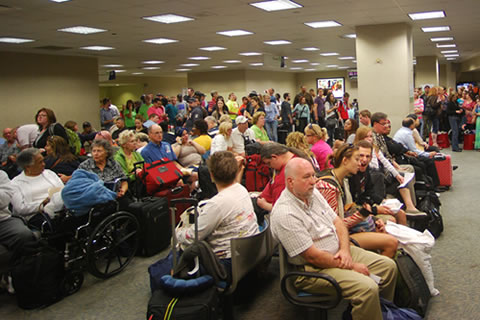
The number of people living with chronic complex health problems is rising. In some areas, patients are being treated in corridors, in cupboards (you read that right!) and lying for days in corridors under artificial light.
Some patients have died in hospital corridors as NHS staff do their utmost, expressing significant concerns over the lack of safety and dignity.
This is not an argument against medicine. It can be amazing. When you need to be treated for an acute problem. When you need the emergency department. When you need a surgeon. We need to take a difficult decision because the system is under pressure and something has to give.
The question we need to be asking is what happens between the doctor’s appointments?
The answer is perhaps that families could become a little more accomplished at looking after themselves. Not in diagnosing cancer via a YouTube video. Not in believing every health tip that turns up in an Instagram reel.
A simple idea: Stop making the medical system your first line of defence.
Get yourself better equipped. Know more. Measure more.
Over the years, I’ve come across many gadgets posing as ‘must-have wonders’ that turned out to be no better than toys. During that same period, however I’ve used several units of equipment that have surpassed all my expectations.
So much so that the last appointment I made to see a doctor was in 1992.
(I have seen a doctor since then for an appointment made by the NHS for a general age-related checkup. Despite passing all the tests with flying colours, the inevitable prescription for statins was rolled out. Flatly refused!)
Make yourself more capable. Learn more. Measure more. Notice more.
Start building your own health toolkit. It’s a level up from a first aid kit.
You want a quality blood pressure monitor to see what it might be telling you.
You want a quality thermometer so you can tell the difference between having a cold and actually having a fever.
You want a pulse oximeter – which measures blood oxygen levels and pulse rate..
You want a good set of scales so you can observe small changes in your weight that you probably wouldn’t notice otherwise.
You want a blood glucose monitor, so you can help your family know how their bodies are reacting to food, exercise and all the other things that impact health.
There are advanced consumer health technologies out there that are becoming more and more accessible.
All of these technologies are not a replacement for the doctor, but they help you maintain good health and avoid having to book an appointment to see one.
Make it a family effort. Choose a device that’s useful to you and become familiar with it.
Over time you build something of real value – your health literacy.
Make sure your kids know what high blood pressure means. Your partner knows how to take a temperature. You know when a reading is high and you genuinely need to seek advice.
The future will call for more people with this understanding. Healthcare is not disappearing and doctors are not becoming irrelevant, just pressurised by wholly unnecessary appointments such as broken acrylic nails, wet or tight shoes, facial hair complaints, dry razor burn, coughing after inhaling shower mist, and bizarre internet home remedies, such as putting honey directly into the eyes or applying yogurt vaginally to treat a yeast infection (all genuine examples).
Consider the following:
1. Vielight: light as a health technology
What if you could treat your brain without swallowing a single pill?
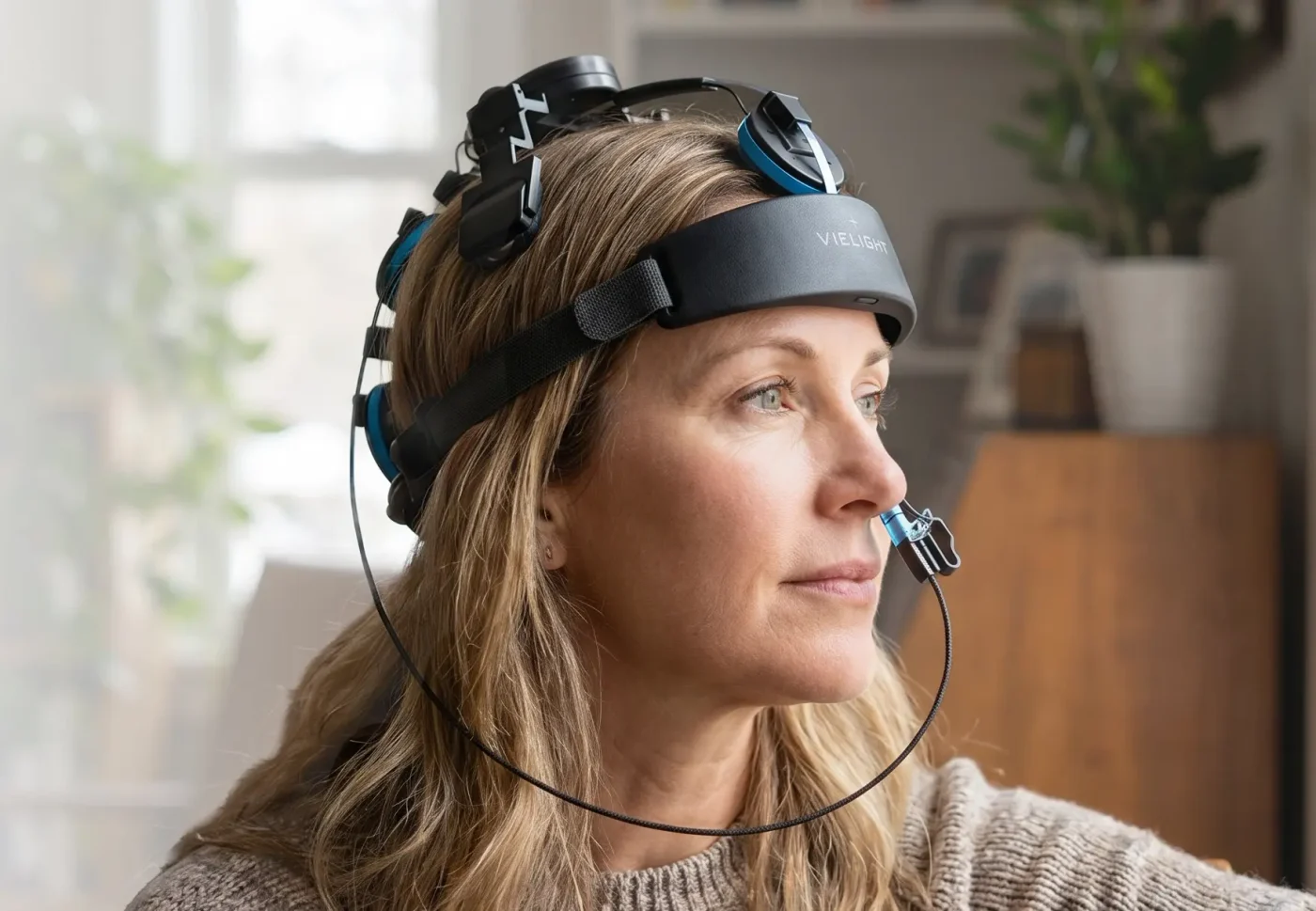
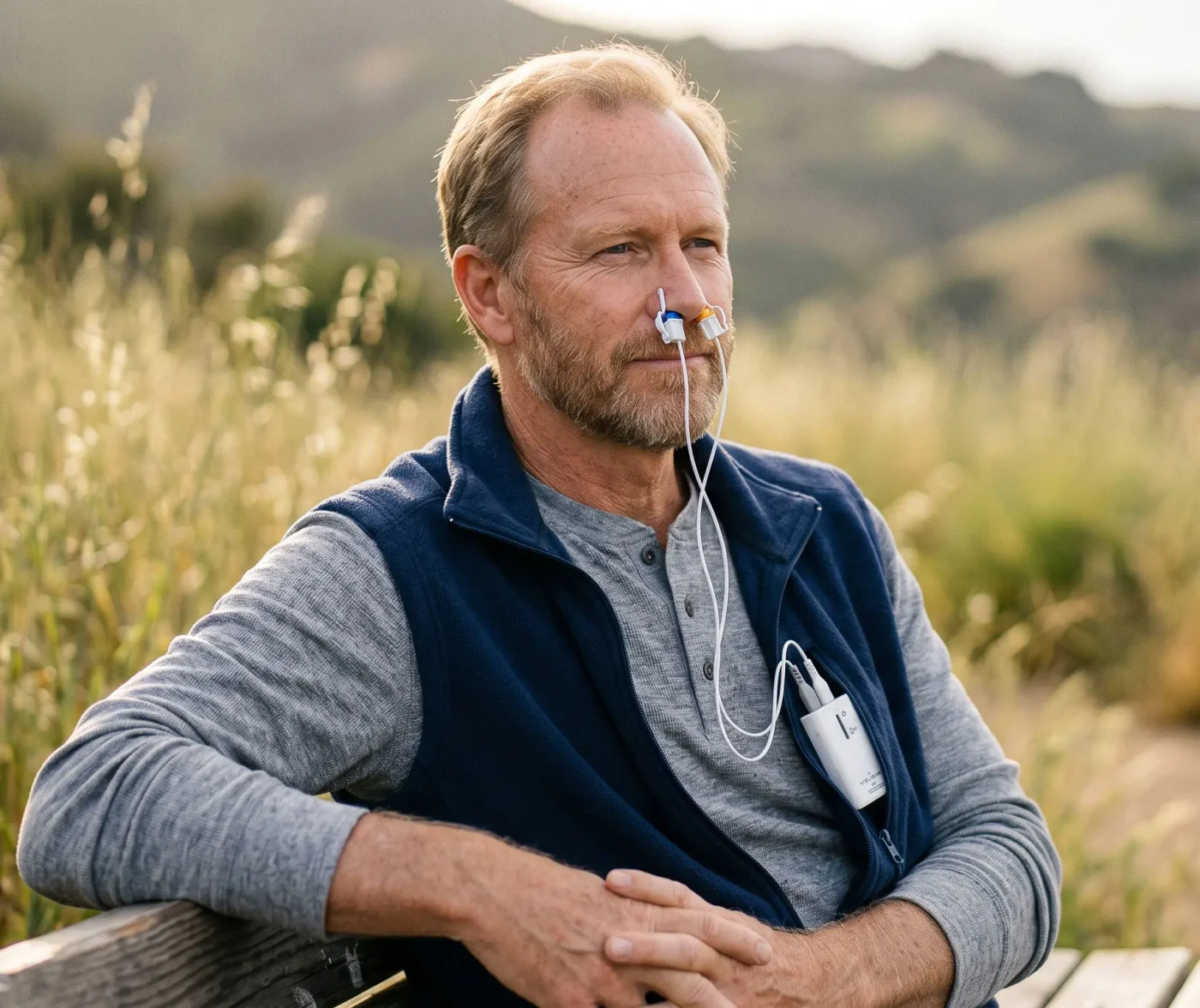
This Vielight device uses light instead of drugs.
Not regular light – specific wavelengths of red and near-infrared light aimed at your brain.
The science is called photobiomodulation, and researchers are showing how light can influence and benefit brain function.
Here’s what nobody talks about: we’ve been conditioned to think healthcare only comes in three forms – pills, procedures, or prescriptions.
But what if we’re asking the wrong question?
Instead of “what chemical can we add to the body,” what if we asked “what can we activate that’s already there?”
I’m not suggesting that this is a miracle cure for Alzheimer’s or anything like that – the research in that field remains ongoing. But I am saying the question itself is worth asking.
Because the future of healthcare might not look like another prescription.
It might look like light.
The first signs of Alzheimer’s Disease in my wife Phylipa became evident two years before we learned about the Vielight. It has undoubtedly been instrumental in slowing down her deterioration. I wish we’d learned about this approach earlier, although Alzheimers can begin its invasion anything up to 10+ years before the first signs of memory loss show.
These days I use the VIelight Neuro myself twice a week on the basis that prevention is easier than cure.
The video above also applies to the MIP (below).
2. MIP
Can you put your hand on your heart and swear that the blood coursing through your veins is in tip-top condition?
Probably not. Most of us give blood about as much thought as we give the plumbing behind the bathroom wall. We assume it’s there, doing its job, until something goes wrong.
But blood is rather more important than the stuff coming out of the kitchen tap.
It carries oxygen, nutrients, hormones and other essential cargo around the body, while collecting the rubbish on the way back. If circulation becomes sluggish, those jobs become harder to perform efficiently.
And by sluggish, I don’t mean blood literally travelling at the speed of treacle. I mean impaired circulation and changes in blood flow that may affect how efficiently blood does what it is supposed to do.
So, if you’d like to explore a simple approach that may support healthy circulation and blood flow, read on. .
Men and women over 40 living with chronic pain have typically tried the obvious route: pain medication, physiotherapy, steroid injections, perhaps surgery, certainly an internet’s worth of advice.
Most of these have delivered partial or temporary relief at best. The pain returns. The body that once felt reliable now feels like an adversary.
The emotional reality. They are not merely in pain. They are exhausted by pain. They feel frustration at limitations, hopelessness when treatments fail, and a quiet anger – at their body, at the medical system, at the people around them who don’t understand why they cancelled again.
Critically, they feel shame: a creeping sense that they must be doing something wrong, that they are “the problem,” that everyone else manages to get better except them.We know that chronic pain creates stigma and social withdrawal – people in pain stop going to things, stop admitting how bad it is, start performing “fine.”
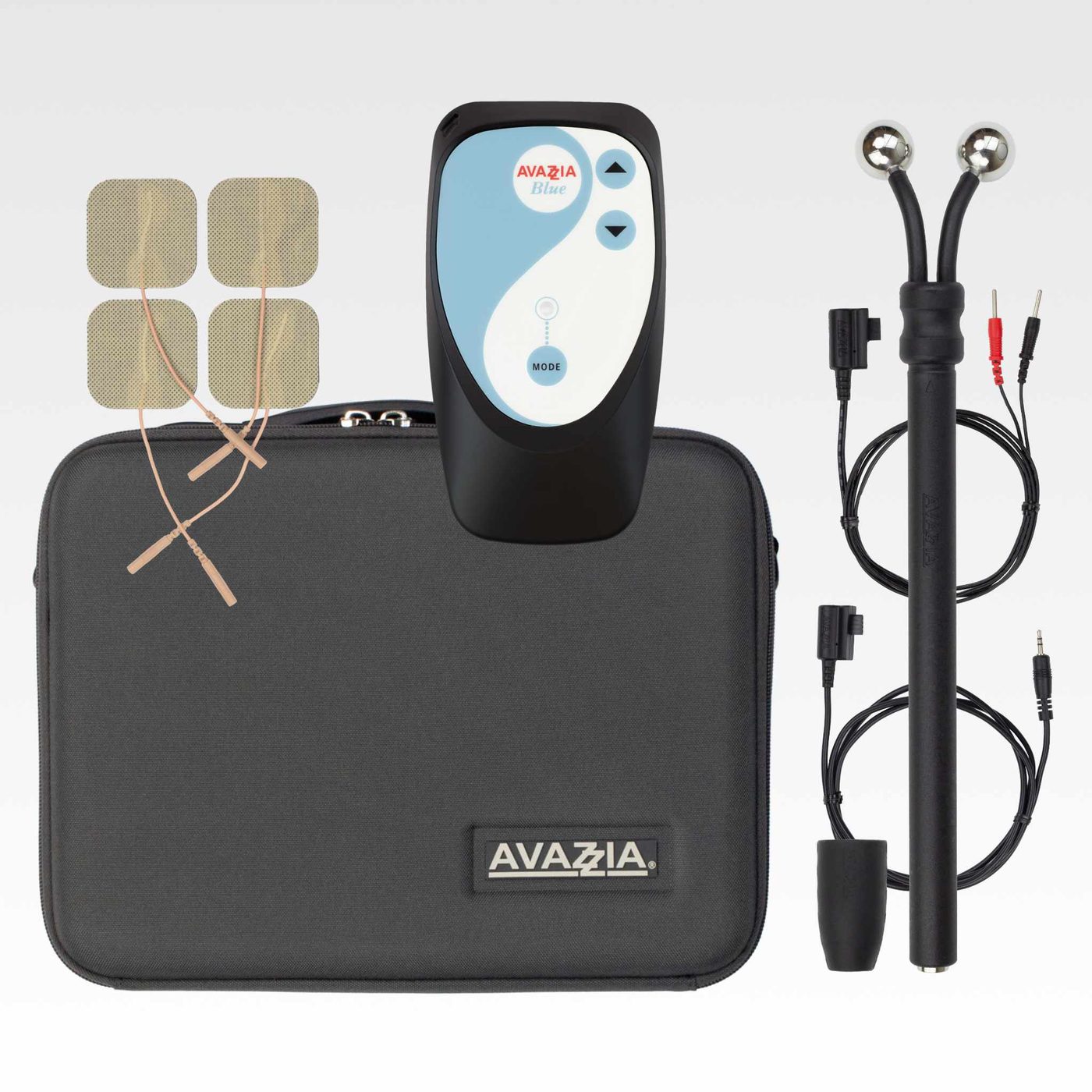
What they want right now is to feel like themselves again. Not “cured” – that’s too far away to be believable. They want a Tuesday that doesn’t involve managing pain before they’ve done a single useful thing. They want to sleep without waking in the night. They want to not think about their back (or knee, or shoulder) every time they sit down. They want control returned to them, which is exactly why the Avazzia’s “hospital in your hand” positioning resonates so deeply. It gives them agency.
They are not hopeful searchers. They are cautious, sceptical reactivators. They have been burned enough times that they approach new options with a mixture of desperate hope and pre-loaded cynicism. They don’t want a miracle claim. They want something that sounds honest and specific – something that respects their intelligence while also speaking directly to their exact situation.
The phrase “I’ve tried everything” is their identity. They need to feel that this is different in a way they can rationalise, not just believe.
Microcurrent technology. Most won’t know what microcurrent is. Some will have seen TENS machines and assume it’s similar. Some will be mildly sceptical of “gadget” solutions. The FDA clearance and the cellular science angle (ATP, not just masking pain but working at the source) matters deeply to this audience as they want to know why it works, not just that it does.
They also care about ease, because they’ve already spent years doing hard things that didn’t work.
Think about it.
Your nerves communicate electrically. Your muscles contract from electrical signals. Your heart beats because of electrical activity.
We’ve been conditioned to think the body is just a machine that needs the right pill inserted into it.
But this approach ignores half the equation,
The future of wellness isn’t just about what we put IN our bodies – it’s about what we activate that’s already there.
In 2015 Scientific American – not a newsletter peddled at the checkout line alongside horoscopes and diet tips – declared microcurrent as the medicine of tomorrow .
Let’s be honest. You’re probably not quite the energetic creature you once were.
You know what to eat. You know you should exercise. You know sleep is important. You’ve read enough about wellness to qualify for a small laminated certificate.
And yet the energy has quietly disappeared.
Getting out of bed can feel like a negotiation. By evening, you’ve got just enough left in the tank to stare blankly at the television. Being loving, attentive and interested in your family has become something you schedule mentally for another day.
Perhaps someone has called it chronic fatigue. Perhaps you’ve been handed another label. Or perhaps you’ve simply noticed that you’re tired, rather a lot, and nobody has bothered to give it a name.
The more troubling part is the feeling that comes with it.
That nagging suspicion that you’re living a smaller version of the life you could be living.
Because energy isn’t some optional extra, like heated seats or a second bathroom. It is the machinery behind almost everything: your relationships, your work, your mood, your curiosity, your ambitions and your capacity to enjoy being alive.
When energy falls, the rest of life tends to follow it downstairs.
And no, I’m not talking about another miraculous powder, potion or brightly coloured bottle promising to turn you into a human Duracell battery.
Nor caffeine. Nor sugar. Nor energy drinks. Nor the familiar modern trick of borrowing energy from tomorrow and pretending it came for free.
That little jolt is not energy. It is an overdraft.
What interests me is something rather more fundamental: the science of building energy rather than merely stimulating it.
The idea that your body isn’t necessarily supposed to stagger through the day, propped up by coffee and determination, but is capable of producing considerably more of the thing we casually call vitality.
Imagine waking up with something approaching enthusiasm for the day.
Having enough energy left at six o’clock to actually talk to the people you love.
Having the physical and mental reserves to pursue the things you keep telling yourself you’ll get around to “when you have more energy”.
Perhaps the first question isn’t How can I push myself harder?
Perhaps it’s Why am I running on empty in the first place?
If you’re tired of being tired – and rather bored with treating exhaustion as an inevitable feature of modern life – then I think you’re going to find what comes next rather interesting.
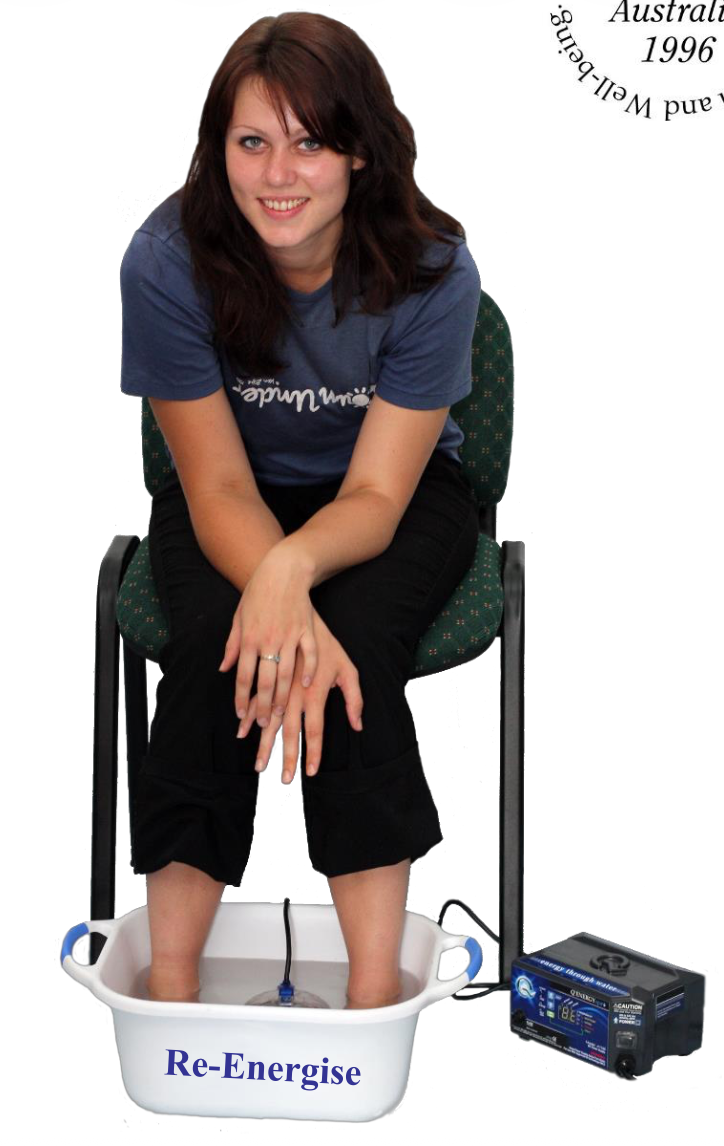
That’s why I use the Q Energy Spa.
Rather than putting something into your body, the concept is about reactivating energy that is already within you, but dormant.
We increasingly understand that health isn’t simply something that happens inside a doctor’s surgery.
It happens everywhere.
Start building
I’m not suggesting you rush out and spend thousands of pounds.
Quite the opposite.
Start with one thing.
Buy something useful.
Learn how it works.
Understand what it can and cannot tell you.
Look at the evidence.
Keep records.
Notice what changes.
Then decide whether it deserves a permanent place in your toolkit.
Because the real investment isn’t the equipment.
It’s becoming harder to fool yourself about your own health.
And that may become one of the most valuable skills a family can possess.
The medical system isn’t going away.
But it may become increasingly difficult to rely upon for every question, every symptom and every problem.
So perhaps the new model is this:
Don’t abandon medicine. Become less dependent on it.
Know your numbers.
Understand your body.
Explore the technology.
Question the claims.
Keep an open mind, and a sceptical one.
And start building your own health arsenal.
Because when the healthcare system is stretched, the person sitting at the kitchen table may be the first person who notices that something isn’t right.
That person should be you.
Your future self, and perhaps someone you love, may be very glad you did.
If you’d like any more information on the above, please email me,
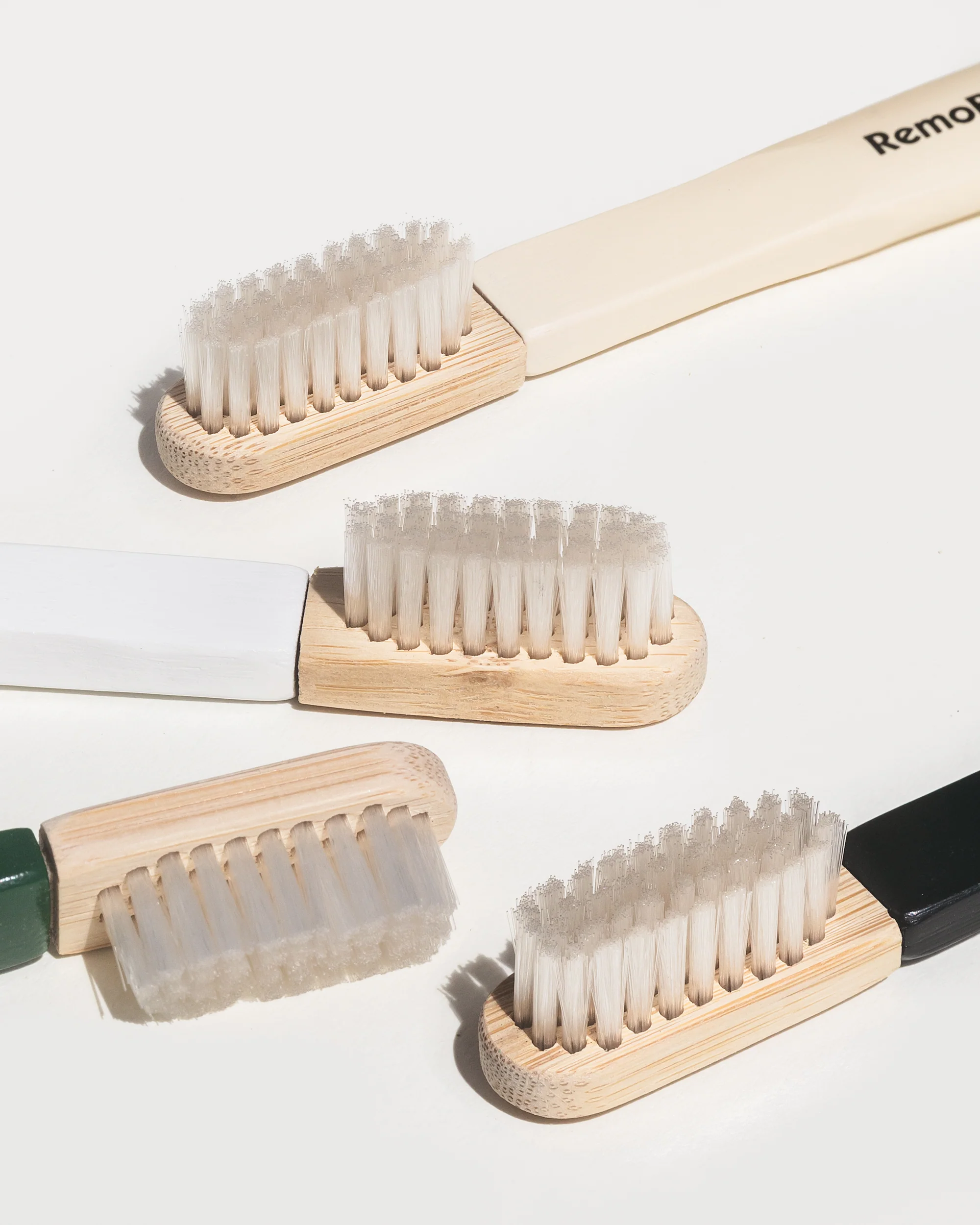
1. We mix natural miswak with bio-based castor oil, which is derived from a plant rather than petroleum. This mixture allows the miswak to remain effective for 3–4 months rather than expiring in 1–2 weeks. It also softens the miswak and helps it attract water easier. This unique combination makes our bristles 76% greener than traditional nylon plastics derived from petroleum. Each bristle is packed with Miswak. It’s hard to give an exact proportion because it’s all mixed together, but our engineers determined it to be roughly 40-45% Miswak.
2. Yes, it’s still highly recommended, because toothpaste offers added benefits. Especially our toothpaste, which includes ingredients like Neem (antifungal), Nano-Hydroxyapatite (strengthens enamel), and Zinc which helps with plaque and calculus build-up. Actually, a few studies show that users reap added benefits when they use a conventional toothbrush and toothpaste, followed by Miswak. Based on these studies, we advise users to do the same. A few of our customers use only our Miswak toothbrush with water and enjoy it just the same, due to the added miswak benefits.
Other questions…..
How is this actually better than my plastic brush?
Your current brush just scrubs. RemoBrush bristles are infused with Miswak – a natural antibacterial used for centuries.
So while you brush, you’re fighting bacteria, soothing gums, and freshening breath. No synthetics, and the bamboo handle breaks down when you’re done with it.
Does Miswak actually work?
Miswak has been studied extensively & contains compounds that are naturally antibacterial and anti-inflammatory. The tradition goes back centuries. The science backs it up.
How do I even use it?
Run water over the bristles for 10 seconds – that activates the Miswak and releases the antibacterials. Then brush as normal. Toothpaste optional.
If you want to do something positive about your oral health, here’s the link.
When the manufacturer of the Blotting Brushes we’d made available for over 10 years stopped production during the long, strange paralysis of COVID, we were left with a problem.
We searched for a replacement manufacturer with the machinery, the patience and the sanity to make them for us.
What we received were offers to sell us their existing brushes, or quotations so extravagant that the brushes would have needed to be dipped in gold to justify the price.
Then, I received a message from Dr Elmar Jung with a link to a UK source of miswak brushes.
Excited, I ordered brushes for us both immediately.
A Memory from the Maasai Mara
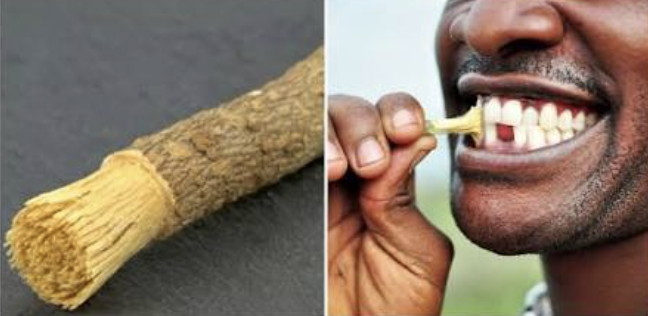
I’ve used miswak before, but the sources were haphazard. My first encounter goes back to 1983, when I was in the Maasai Mara in Kenya. Walking with the Maasai tribe, they cut a small branch from a bush they called the toothbrush tree. They handed it to me and explained that I should fray one end until it became a natural little brush (see image below), then use it to clean my teeth and between them.
A Brush with the Ancient World: the original miswak ‘stick’, now in toothbrush form. The man may have a missing tooth, but the rest are healthy and white.
It seemed wonderfully primitive. It also seemed wonderfully sensible.
What the Miswak Actually Is
The miswak, as we explain in our book Gum Disease: The Silent Battle In Your Mouth, comes from the root of the Peelu tree, Salvadora persica, known in the Middle East as the Arak tree. It has been used for centuries across parts of Africa and the Middle East for cleaning teeth and maintaining the gums.
Research has found antibacterial and plaque-fighting properties, and the World Health Organization has recognised its usefulness for oral hygiene. The miswak contains naturally occurring compounds that help clean the teeth, freshen the breath and support the gums. And, rather pleasingly, it doesn’t require toothpaste although this is an optional extra.
An Accidental Demonstration
Perhaps the most memorable demonstration came to me not from a laboratory but from television.
During the football World Cup in South Africa (2010), whenever an African team scored, the camera would pan across the celebrating crowd. Row after row of faces appeared, many displaying spectacularly white teeth.
I remember thinking that this was one of those curious little observations that television accidentally reveals: the evidence wasn’t being presented as evidence, but there it was, grinning back at us.
So perhaps the disappearance of our Blotting Brushes isn’t quite the disaster it first appeared.
Sometimes you spend months looking for a complicated modern solution, only to discover that the answer has been sitting in a tree for several thousand years.
And now, apparently, it’s being delivered from an informative UK website that offers a variety of options, from miswak bristles on bamboo handles to the original miswak sticks.
There is something rather encouraging about that.
PS. If you fancy trying these brushes, here’s the link. And, in the interests of complete honesty, it is an affiliate link, so if you buy it, we make a small commission. It doesn’t cost you a penny more, but it does help keep the lights on, which, in these expensive times, is no small thing.
There are places that simply feel right. You walk through the front door and your shoulders loosen before you’ve even put the kettle on. Others, despite polished kitchens and estate-agent promises, never quite become home.
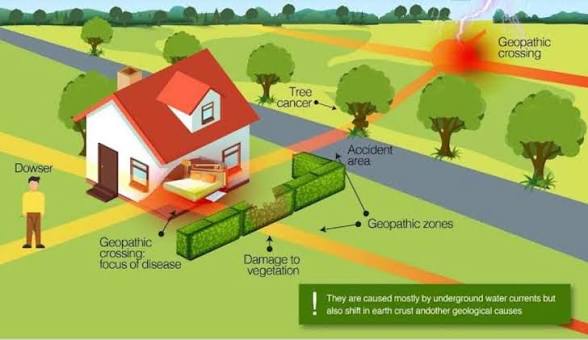
Advocates of Geopathic Stress believe the difference lies beneath our feet.
The theory is beguilingly simple. Invisible natural energies, created by underground watercourses and geological faults, may subtly influence our wellbeing. Sleep, they suggest, can become deeper, moods lighter, relationships calmer and concentration sharper when we are living or working in harmony with these natural forces.
Supporters point to countless observations gathered over decades. Dowsers speak of homes transformed after nothing more dramatic than moving a bed a metre or two. Animals often seem to know instinctively where these energies lie; dogs may avoid them while cats appear strangely attracted. Trees sometimes twist to escape them, bees abandon affected hives, and even babies, too young to understand, are said to shuffle towards more comfortable sleeping positions.
In parts of Europe, the idea has been taken seriously enough for builders to consult dowsers before construction, aiming to create homes where every room rests on balanced ground. It is an approach that sees a house not merely as bricks and mortar, but as an environment that should nurture the people within it.
Science has yet to provide a universally accepted explanation for geopathic stress, but its supporters argue that absence of proof is not proof of absence. They see it as another reminder that nature is infinitely more complex than our current understanding allows.
Whether one views geopathic stress as emerging science, ancient wisdom or simply an invitation to observe the world more carefully, it encourages us to think differently about the places we choose to live. After all, home should be more than a roof over our heads – it should be a place where body, mind and earth exist in quiet harmony.
Linda was twelve when she developed leukaemia.
There followed the modern catalogue of medical misery: a bone-marrow transplant, chemotherapy, radiotherapy and a month spent in isolation, away from the ordinary world of childhood. Eventually she began to recover and went home. She slept in her mother’s bed.
And something rather curious happened.
Week by week, Linda got better.
Then she was well enough to return to her own bedroom, to her own bed. And the leukaemia returned.
Her mother had never heard of geopathic stress. She had no particular theory about it and, understandably, was prepared to try almost anything that might help her daughter.
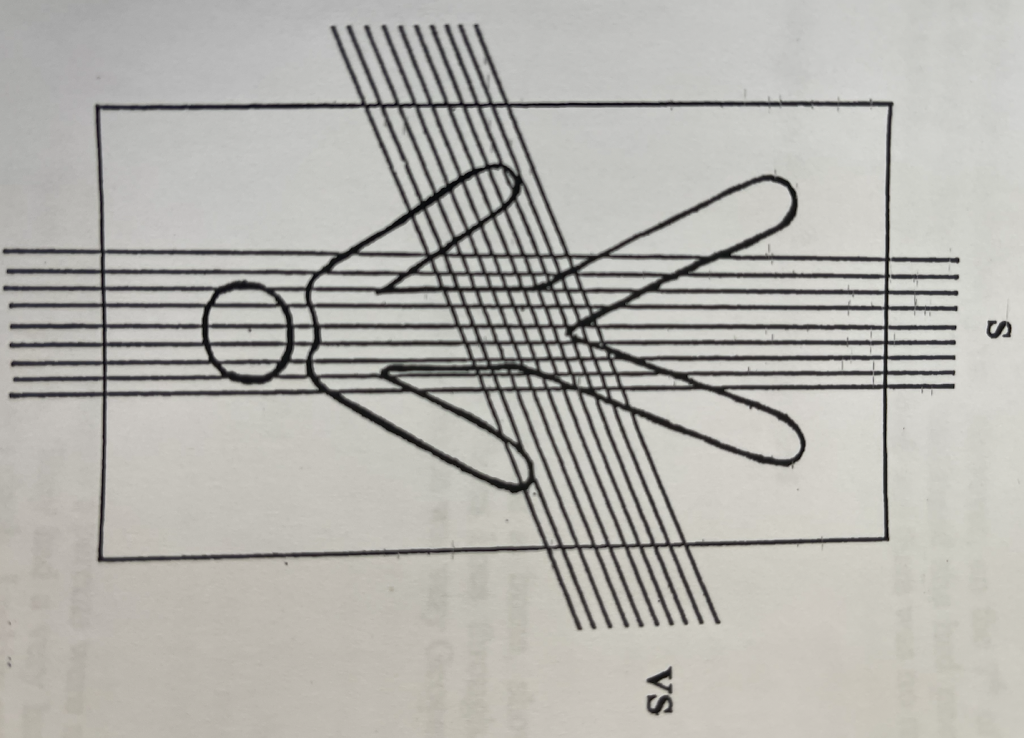
A dowsing investigation was carried out. Two geopathic-stress lines were identified running beneath Linda’s bed — one described as strong, the other very strong.
So they moved the bed.
Within a month, Linda’s hospital decided that no further treatment was required.
She recovered.
Now, whether you regard that as coincidence, curious circumstance or evidence of something we don’t yet properly understand is, of course, up to you. But it is an intriguing story, and perhaps that is enough reason to ask questions.
Linda’s bed position showing geopathic stress lines: (S = strong and VS = very strong)
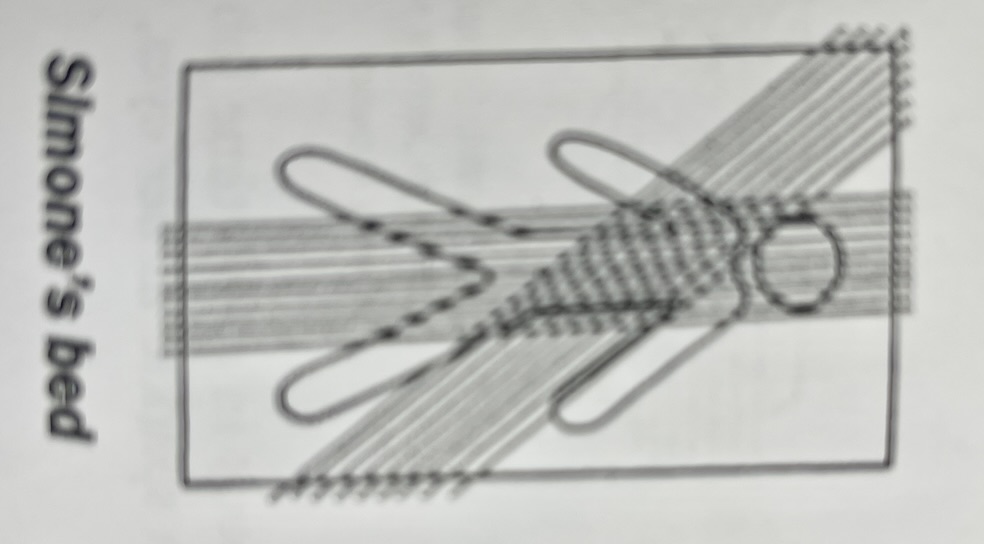
Then there was Simone. Shewas only nine when she developed a cancerous tumour and underwent six sessions of chemotherapy. Then came the high temperatures, the loss of her hair, a bone-marrow transplant, swollen cheeks and feeding through a tube into her stomach.
Eventually, her family were told that the cancer had gone.
It hadn’t.
The cancer returned, followed by pneumonia. Simone died in 2001. Unfortunately SImone’s parents had not been told about GS and they had a hard time getting over their daughter’s death.
Two children. Two very different endings. And between them sits a question that conventional medicine doesn’t necessarily ask: could the environment in which we sleep, live and recover have an influence on us?
Geopathic stress is the name given to the idea that natural underground features, geological formations and certain environmental fields can create areas of disturbance – particularly where we spend many hours in one place.
It can affect sleep, wellbeing and health. Claims have been made linking it to everything from restless babies and bed-wetting to learning difficulties, epilepsy and unexplained health problems.
Some practitioners even suggest that babies instinctively move towards the least-stressed part of a cot.
These are still considered to be controversial claims, but curiosity should never be forbidden simply because the answer isn’t yet convenient.
The bedroom is a particularly interesting place to begin.
We spend roughly a third of our lives there. We don’t move while we’re asleep. We don’t choose where our bodies are positioned during those hours. The bed becomes, quite literally, our most sustained relationship with a particular piece of ground.
So perhaps there is a simple principle worth adopting:
If you’re moving house/flat, why not look at the environment before you sign anything?
Consider the geology. Consider external sources of radiation and electromagnetic exposure. Consider where you sleep. And, if geopathic stress concerns you, have the property assessed by someone experienced and sensible rather than someone determined to frighten you.
You don’t have to become a believer. Just a detective.
Because sometimes the most useful question isn’t “Do I believe this?”
It’s: “What happens if I look?”
And that, ultimately, is what being your own detective means.
Geopathic Stress can impact so many activities both inside and outside the house. It is even estimated that 25% of people diagnosed as epileptic are wrongly diagnosed and the main cause of the symptoms is Geopathic Stress.
Pregnancy, Sudden Infant Syndrome (Cot Death), excess bed wetting, learning difficulties, seemingly unrelated health challenges, even car accidents can be affected by the incidence of Geopathic Stress
Before you relocate to a new home it is essential to have your new place checked out for GS lines as well as the impact of radiation from external sources by someone who knows what they’re doing. If you need help with this, please contact me.
Become Your Own Detective
You can buy a copy of Rolf Gordon’s book “Are You Sleeping In A Safe Place?” from Dulwich Health or your local Amazon.
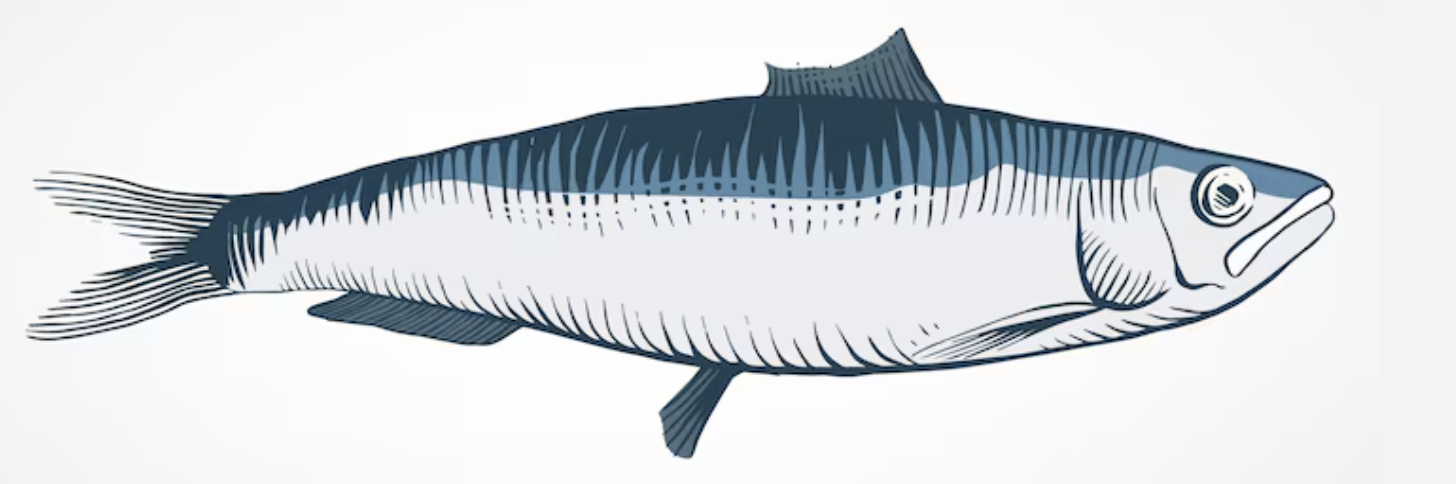
There is something wonderfully humble about the sardine. It arrives without fanfare, costs a fraction of fashionable seafood, and yet quietly delivers more nutrition than many foods commanding many times the price.
Long before “superfoods” became a marketing buzzword, sardines had already earned their place on dinner tables across Europe, the Mediterranean, Asia and the Americas.
Long before nutritionists discovered hashtags, sardines had already been sustaining fishermen, labourers and families from Lisbon to Tokyo. They didn’t require branding. They simply worked.
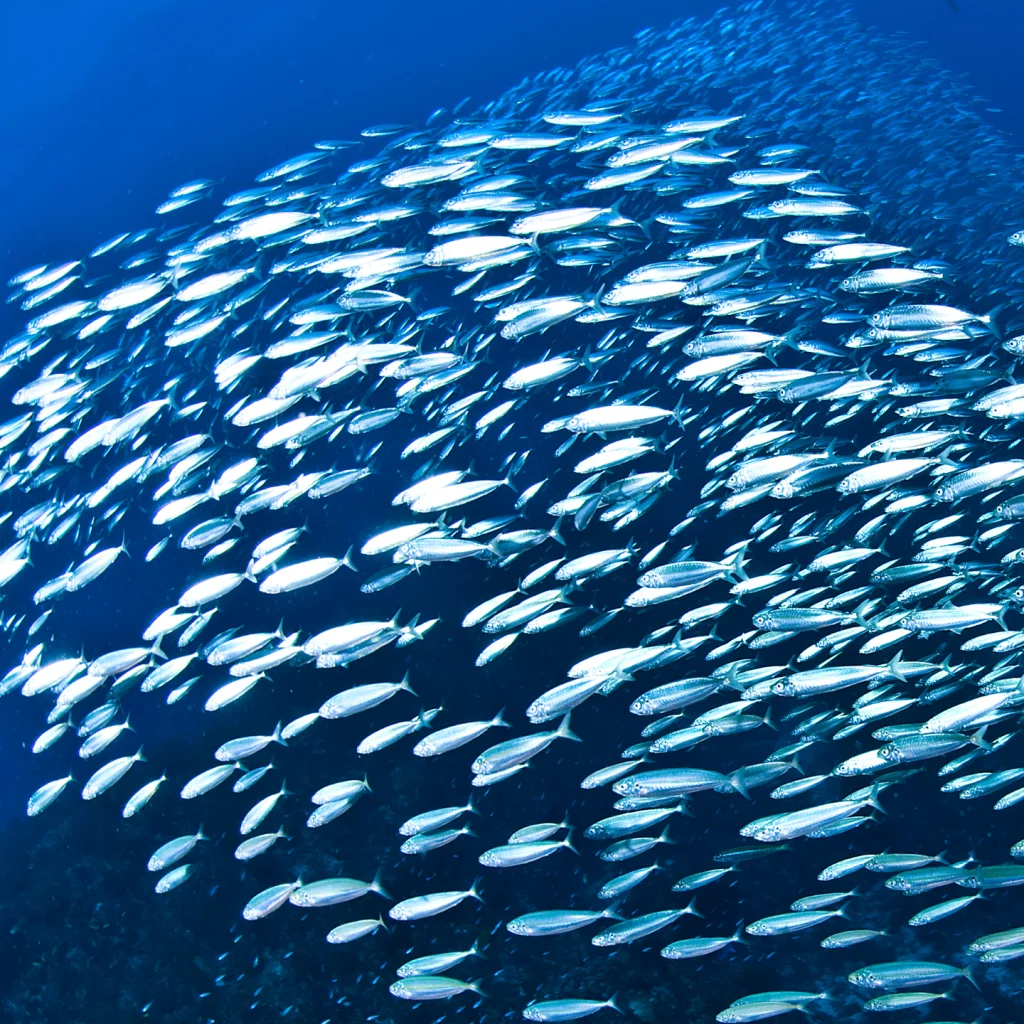
The name itself is thought to come from the island of Sardinia, where the fish once gathered in shimmering shoals so vast they seemed less like wildlife than weather. For millennia they have fed coastal communities, preserved in salt, smoke or oil against leaner seasons.
They were the original convenience food, except they contained actual food.
Unlike the marine aristocracy – tuna, swordfish and their swaggering predatory cousins – the sardine lives a refreshingly uncomplicated life. It matures quickly, breeds enthusiastically and spends its days nibbling plankton rather than swallowing everything smaller than itself.
Consequently it accumulates very little mercury or other environmental nasties, making it one of the cleanest fish on the menu and one of the most sustainable. Nature, it seems, knows exactly what she’s doing.
Travel the world and the sardine wears many disguises. In Portugal it crackles over charcoal fires, sending fragrant smoke drifting through narrow streets. In Britain it finds sanctuary atop buttered toast. Around the Mediterranean it slips effortlessly into salads alongside tomatoes, olives and capers, while elsewhere it disappears into pasta sauces, lending them the sort of deep savoury richness chefs prefer to call umami because “delicious” somehow no longer sounds sophisticated enough.
Its reputation for being aggressively fishy is one of gastronomy’s great libels. A fresh sardine is delicate, almost sweet, its flesh firm but tender beneath skin that crisps beautifully over a flame. Canned sardines, meanwhile, mellow into something altogether richer. Packed in olive oil, tomato sauce, spring water or mustard, they develop a depth of flavour that belies their modest price tag.
Then there are the bones.
Most diners approach them with unnecessary suspicion. Yet these softened little skeletons, rendered almost creamy by the canning process, are nutritional gold dust. They disappear almost unnoticed while delivering calcium in quantities that many expensive supplements can only dream about.
Few foods naturally unite calcium and vitamin D in quite the same convenient package. Because the bones are eaten whole, a single serving contributes meaningfully to maintaining skeletal strength, something one tends to appreciate rather more once birthdays begin arriving faster than expected.
Indeed, sardines possess an almost embarrassing concentration of goodness. Within one modest serving lurks complete protein, generous quantities of omega-3 fatty acids, vitamin D, vitamin B12, calcium, selenium, phosphorus, iodine, iron and magnesium. If nutrition were measured by cubic centimetre, sardines would be difficult to beat without resorting to laboratory equipment.
Their greatest celebrity, of course, remains omega-3. These remarkable oils help maintain healthy blood vessels, support normal heart rhythm, moderate inflammation and contribute to lower triglyceride levels. Unlike the synthetic concoctions that occupy entire shelves in health food shops, sardines deliver these fats exactly as nature intended, complete with the supporting cast of minerals and protein.
The brain also thrives on omega-3 fats, particularly DHA. Together with the generous helping of vitamin B12 found in sardines, they contribute to healthy nerve function, memory and cognitive performance. They are not magic bullets against dementia or Alzheimer’s, but they supply many of the nutritional bricks from which a resilient brain is built.
There is another virtue rarely celebrated: value. At a time when supermarket receipts increasingly resemble mortgage applications, a humble tin of sardines remains astonishingly inexpensive. For less than the price of many nutritionally bankrupt snacks, you acquire a complete meal rich in protein, healthy fats and essential minerals, with a shelf life that makes it a dependable ally in any cupboard.
Perhaps that is the sardine’s greatest triumph. It has steadfastly refused to become fashionable. Fashion would only spoil it. It has remained exactly what it has always been: honest, nourishing and quietly magnificent.
Sometimes we spend our lives chasing culinary peacocks while overlooking the sparrow sitting contentedly on the garden fence. The sardine asks for no applause. It simply turns up, feeds us superbly, asks almost nothing of the oceans in return, and slips away without ceremony.
The sea, it seems, has always known that its greatest treasures need not be the largest. Sometimes they arrive in silver jackets, packed neatly in a tin, carrying enough goodness to make foods costing ten times as much look faintly ridiculous.
Bon appétit
Graeme Dinnen
ResourcesForLife.net
A Simple and Healthy Sardine Meal:
This Sardine spread isn’t just delicious, it’s loaded with omega-3s, protein and calcium for strong bones, sharp focus and glowing skin. ✨
Made with simple ingredients – sardines, egg, butter and lemon juice, it is the perfect nutrient-dense snack for busy days or post-workout fuel.
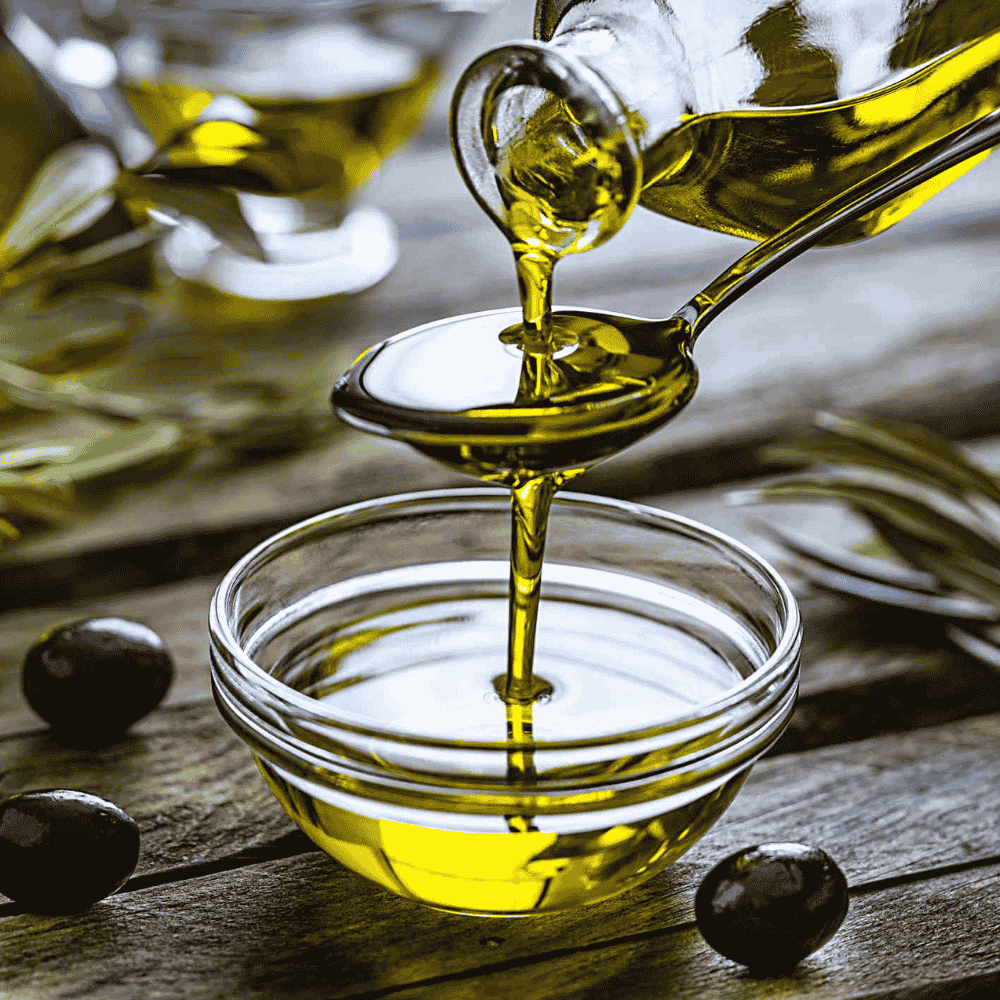
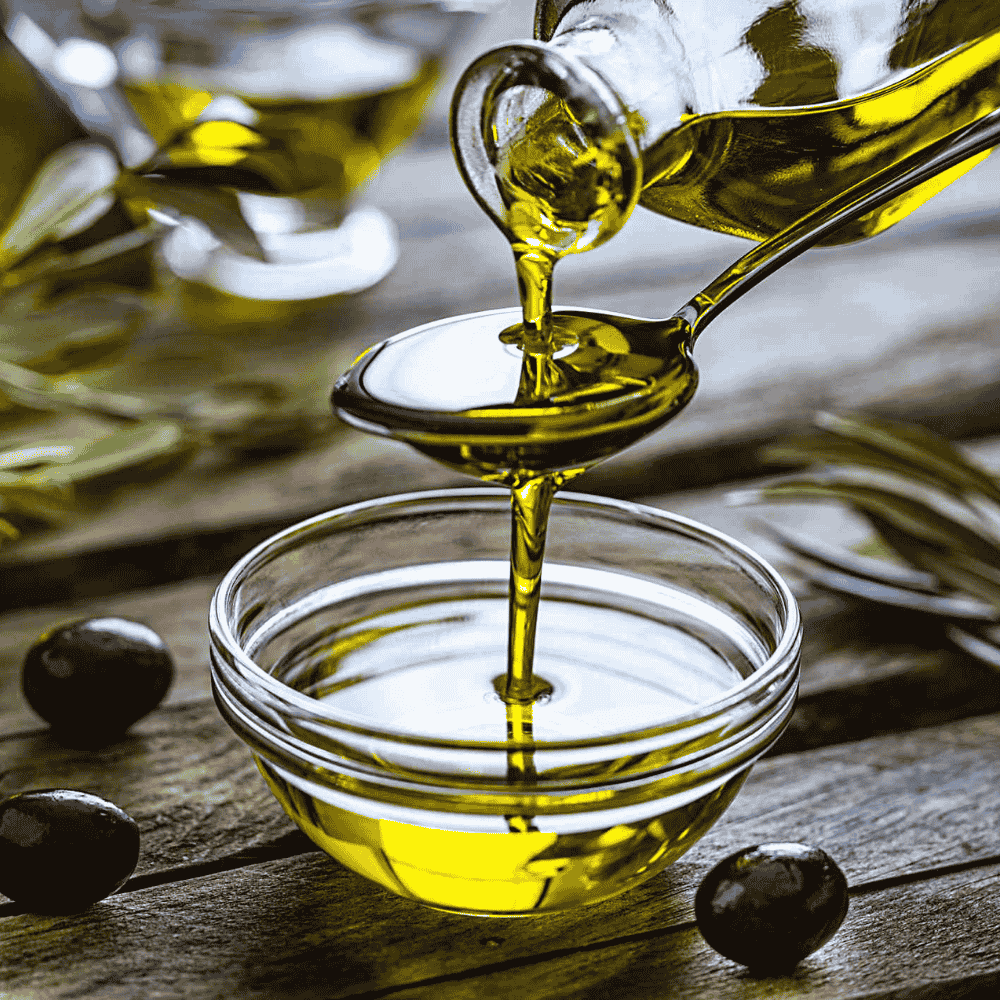
It arrived in dented tins with labels that looked as though they’d been designed during a long lunch. It smelt of hot afternoons, dusty groves and stone farmhouses where recipes were inherited rather than invented. It asked for nothing more than a crust of bread, a tomato and perhaps the company of a sensible bottle of wine.
Today, it has become liquid gold.
And history teaches us that wherever gold accumulates, rogues soon follow with shiny shoes and grubby intentions.
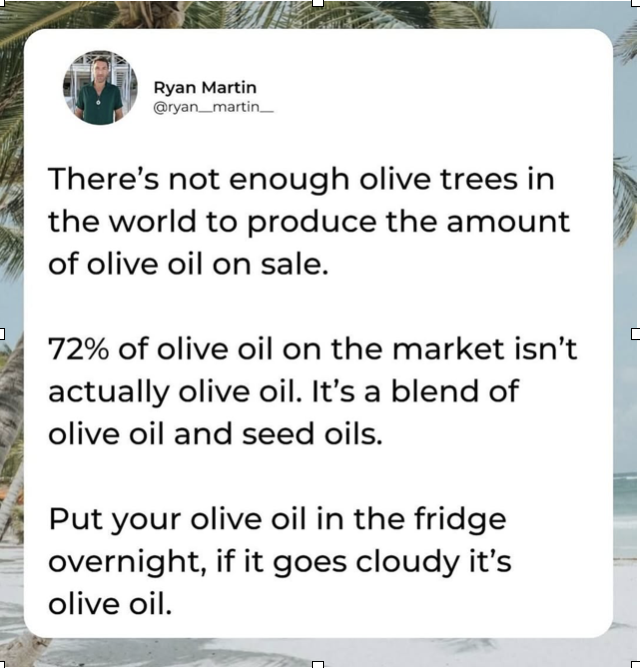
Across Europe, soaring prices, relentless droughts and disappointing harvests have transformed extra virgin olive oil into one of the world’s most desirable foods – and one of its most profitable targets for fraud.
Criminals have been caught diluting it with anonymous seed oils, dressing ordinary olive oil in aristocratic labels, inventing noble family trees and persuading perfectly mediocre liquids that they were born beneath Tuscan sunsets.
Greek poet Homer called it “liquid gold” more than two thousand years ago. He could scarcely have imagined that one day the phrase would sound less like poetry and more like a police briefing.
From Spain to Italy, investigators have uncovered warehouses holding hundreds of thousands of litres of counterfeit oil. Europol now spends almost as much time following the olive trail as it does organised crime, while inspectors descend upon bottling plants with the enthusiasm once reserved for illicit whisky stills.
Yet the greatest casualty isn’t the shopper who unknowingly pours counterfeit virtue over a bowl of salad.
It’s the honest grower.
The family whose gnarled trees have survived wars, droughts and generations of hard hands. People who spend an entire year nurturing fruit from ancient branches, only to see their reputation diluted by someone with a stainless-steel tank and a vivid imagination.
Ancient Olive Tree, Ibiza
The answer, however, isn’t to abandon olive oil. Nobody swears off Burgundy because somebody once bottled vinegar with a French château on the label.
The answer is simply to buy wisely.
Choose producers whose names mean something. Be suspicious of miraculous bargains. Look for harvest dates rather than clever marketing phraseology. Real olive oil carries the quiet confidence of authenticity. It doesn’t need to shout.
The recent headlines about Europe’s olive oil racket have reminded us just how valuable trust has become. In today’s food world, that’s almost rarer than finding a politician who can blush.
Food fraud has become the supermarket’s invisible aisle. Honey that’s enjoyed an intimate relationship with corn syrup. Herbs bulked out with whatever happened to be lying around. “Extra virgin” oils that have clearly lived colourful, complicated lives before arriving on your kitchen shelf.
Don’t be a victimto the Mafia’s most profitable crime
It’s a magnificent masquerade where, all too often, the label is the only ingredient that’s entirely genuine.
Fortunately, there is another way.
Support the growers who still treat olive oil as a craft rather than a commodity. Celebrate the producers whose pride lives inside every bottle. Every purchase helps preserve centuries of knowledge, family traditions and landscapes that deserve to outlive the counterfeiters.
After all, every meal is an investment in tomorrow. Your body quietly rebuilds itself from the food you choose today. Give it honest materials, and it has every chance of returning the favour.
Need I say more?
If you’re in the UK, we’d love to help you discover olive oil the way it ought to taste. Here’s an offer to take £5 off your first order– not as a gimmick, but as a small celebration of good taste, honest farming and food you can trust.
We joined their free Olive Oil Club and arranged a monthly delivery. One less thing to think about, and one more thing to look forward to.
Salute.
Graeme Dinnen
ResourcesForLife.net
“Liquid Gold” – Homer, describing virgin olive oil in ancient times.
For most of human history, we have made the same blunder with plants: we have mistaken silence for simplicity.
A tree stands in one place for centuries, apparently doing very little. It does not chase, argue, complain, or announce its intentions on social media. It simply remains there, which to the human imagination is suspiciously close to being boring.
We like movement. We like noise. We like things that look as though they are having an interesting time.
But beneath that apparent stillness is a world of astonishing activity.
A plant is not a decoration that happens to be alive. It is a sophisticated survivor, quietly running a chemical empire beneath our feet. Its roots explore the soil like a slow-motion underground expedition, searching for water and nutrients.
Its leaves monitor the sun with extraordinary precision. When attacked by insects, it can release chemical warnings, sending messages into the surrounding environment that other plants can respond to.
It is tempting, naturally, to turn this into a little woodland fairy tale. We imagine trees whispering secrets, flowers exchanging gossip, and forests having ancient conversations while humans rush past without noticing.
The truth is both less magical and, in some ways, more impressive.
Plants do communicate, but not because they have opinions. They do not send warnings because they are frightened in the way an animal is frightened. They do not sit quietly in the garden contemplating existence. They are not miniature philosophers wearing leaves instead of trousers.
They are simply very, very good at being plants.
Some experiments suggest that plants can adjust their behaviour based on previous experiences. The sensitive plant, for example, can become less reactive after repeated harmless disturbances. It appears to “remember” in some sense.
But this is not memory as we understand it. There is no evidence of a private inner world, no little plant mind sitting behind the leaves making plans for tomorrow.
And this is where humans often get carried away.
We see intelligence and immediately assume there must be a brain behind it. We see a response and imagine a feeling. We see complexity and expect consciousness. But nature has produced countless ways of solving problems without producing thoughts.
A thermostat regulates temperature without understanding heat. An immune system fights disease without knowing what illness is. A plant can defend itself without experiencing fear.
The mistake is not in admiring plants. They deserve admiration. The mistake is believing they must become more like us before they become interesting.
Plants have spent hundreds of millions of years perfecting a different way of existing. They have no need to run, hunt, or think. They survive through patience, chemistry, and an extraordinary ability to adapt.
The forest is not a gathering of silent minds. It is something stranger: a living network of organisms responding to the world in ways that do not require thoughts, feelings, or awareness.
Plants do not have minds like ours.
But perhaps that is exactly why they are worth paying attention to.
“When I die, she said, I’m coming back as a tree with deep roots & I’ll wave my leaves at the children every morning on their way to school & whisper tree songs…”. Brian Andreas, StoryPeople
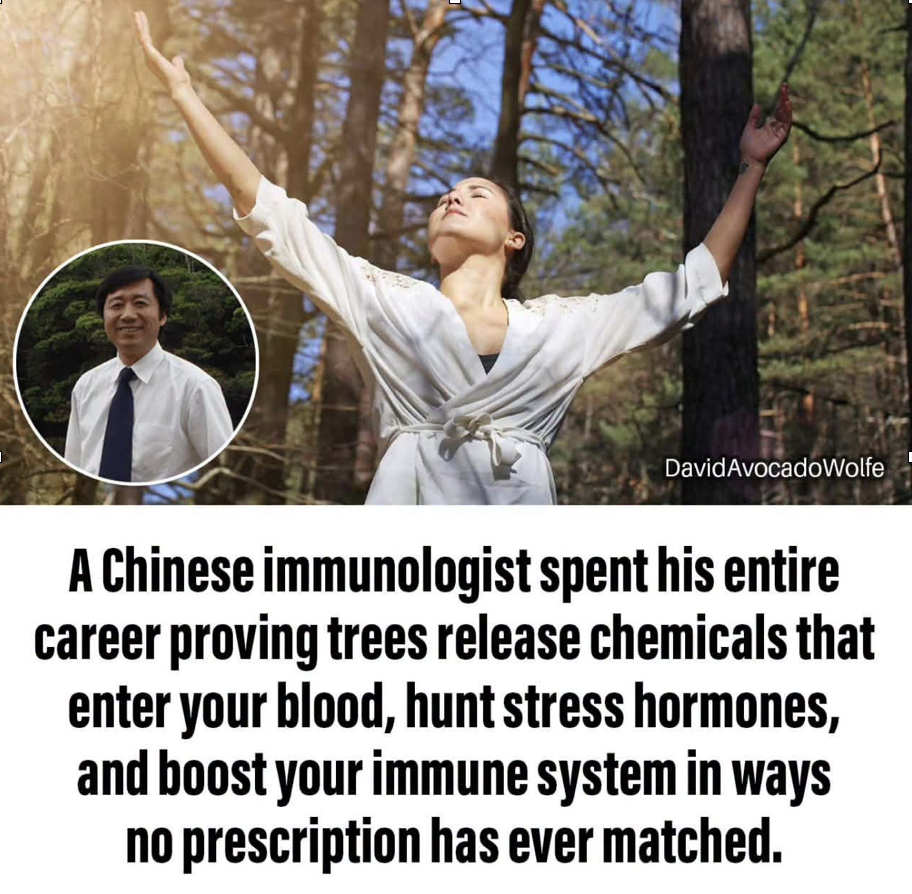
A Danish study found that people who live near green spaces and forests are healthier and live longer.
Research shows that spending five days and four nights in a forest environment can enhance the activity of natural killer (NK) cells in the body. These cells play a crucial role in fighting cancer and infections. The immune boost from being in nature can last for up to seven days after the trip.
This effect is part of a concept called “forest bathing” or “Shinrin-yoku,” which has been shown to improve overall well-being. Studies have found that time spent in forests positively impacts the immune system. The results highlight the therapeutic benefits of nature on human health.
Find an Air B&B in a pine forest because:
“Pine trees have an irreplaceable value to human lives….their true value is invisible except on very hot days where a blue haze hangsover the trees and we can see their most precious offering. The trees emit a chemical known as pinene; for the trees it emits a haze that protects them from the heat of the sun; for us it has an equally protective effect. Scientists have found that when we inhale pinene, it chemically interacts with our bodies, lowering the levels of the stress hormone, cortisol and enhancing the activity of our anti-cancer killer cells.”
Once upon a time, a man decided that living a longer life was simply an engineering challenge.
He set about this task in a way he believed was best for him.
Most people, when confronted with the mortality question, buy a gym membership, cut back on the biscuits and promise themselves they’ll get more sleep.
But our man, US entrepreneur Bryan Johnson, did what only a Silicon Valley millionaire could do: he declared war.
Every morning begins with a roll call.
Not of children, or employees, or even thoughts worth having. Numbers.
Heart rate. Blood sugar. Sleep score. Body fat. Inflammation markers. Biological age. Somewhere, a dashboard flickers into life and informs him whether yesterday was a triumph or a mild disappointment.
Then come the pills.
Not one or two. Not the sort your grandmother keeps in a little plastic day-of-the-week organiser. Dozens of the things, swallowed with the determination of a man trying to win a loyalty scheme at the chemist.
Breakfast isn’t a comfortable, laid-back breakfast. It’s an industrial process.
Even sunshine, one of life’s few pleasures, has become an enemy. When the sun makes an appearance, most people welcome it for the VItamin D benefits. But Bryan reaches for an umbrella as though daylight were a personal insult.
A stroll becomes an evasive manoeuvre, darting from shade to shade with the urgency of someone avoiding a debt collector rather than a pleasant July afternoon.
And all day, every day, one question hums away in the background like a faulty fridge.
How can I live longer?
It’s an expensive hobby.
The curious thing is that the joys of life have quietly slipped out through the back door while he’s been measuring it. Every conversation is interrupted by a protocol. Every meal is an experiment. Every walk is a calculation.
There is something oddly tragic about devoting every waking hour to extending a life that increasingly resembles an administrative exercise.
Imagine arriving at the age of ninety-nine, after decades of flawless optimisation, only to realise you’ve spent most of the journey staring at graphs instead of sunsets.
The body, meanwhile, remains magnificently indifferent. It doesn’t care how many spreadsheets you’ve colour-coded or how many capsules you’ve swallowed before nine o’clock. It has been making and unmaking human beings for rather longer than Silicon Valley has been making apps.
Perhaps the point was never to squeeze another grey decade out of life.
Perhaps it was to notice the one you’re already in – preferably without carrying an umbrella on a perfectly pleasant day.
Health has become another luxury product, sold with the promise that enough money and enough discipline can exempt us from the human condition.
But the body has a wicked sense of humour. It ignores status, laughs at protocols and eventually reminds every one of us that we’re not machines waiting for an upgrade.
The goal was for Bryan Johnston to live for a long time. Yet at forty-eight, he has been diagnosed as having an Incurable Autoimmune Disease. That’s put a spanner in his longevity mission.
It would be a shame to discover, somewhere around the age of ninety-nine, that you’d never enjoyed a bacon sandwich, a few too many Margaritas watching the sun set in Bali or stepped outside your established, possibly misguided, parameters.