
Coffee: that dark, brooding nectar that fuels the world’s mornings and dampens its afternoons. Is it civilisation’s curse? A bitter alchemy of beans and boiling water that’s as much a symbol of progress as it is a metaphor for our collective exhaustion.
Like all great curses, it comes with a certain glamour.
The mercurial elixir of modern existence, equal parts tonic and torment. One moment it’s the golden brew of vitality, extending lifespans and sharpening minds, the next it’s a jitter-inducing harbinger of doom.
We’re told it’s best reserved for mornings, as if the day were some hermetic ritual needing a caffeinated preamble. Yet, who among us hasn’t reached for the midnight cup, defying circadian decorum?
A single demitasse, we’re assured, is civilised. Quaff a few more, and you’re still within the bounds of decency. But stretch it to a half-dozen, and your twitching becomes a semaphore of excess.
Coffee wakens us, focuses us, lifts us above the mundane fog of sleep. Or so it seems – until, insidiously, it silences the plaintive voice of exhaustion, rendering us heedless slaves to our ambitions. Coffee: the unrepentant, contradictory muse of our overstimulated age.
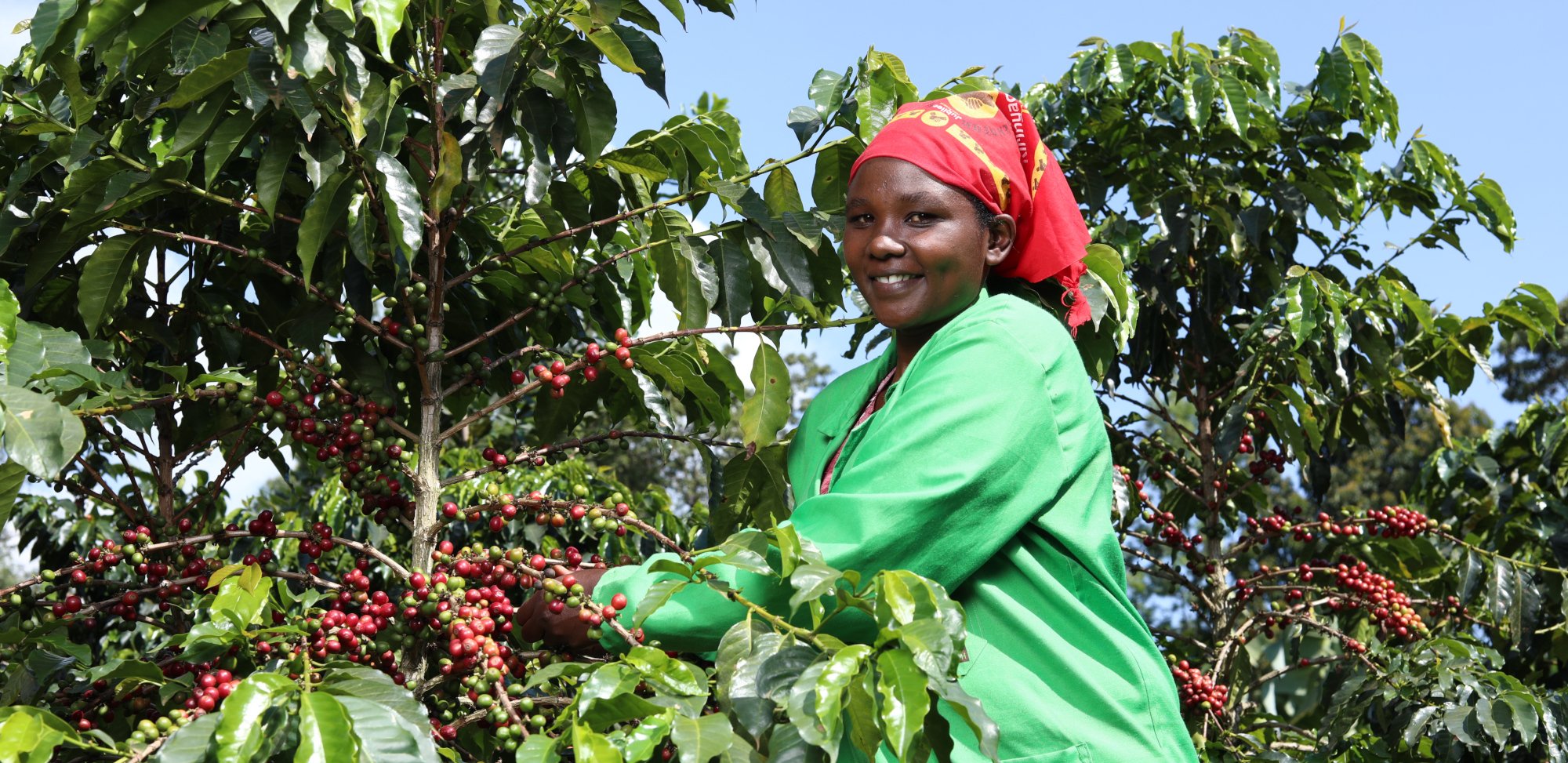
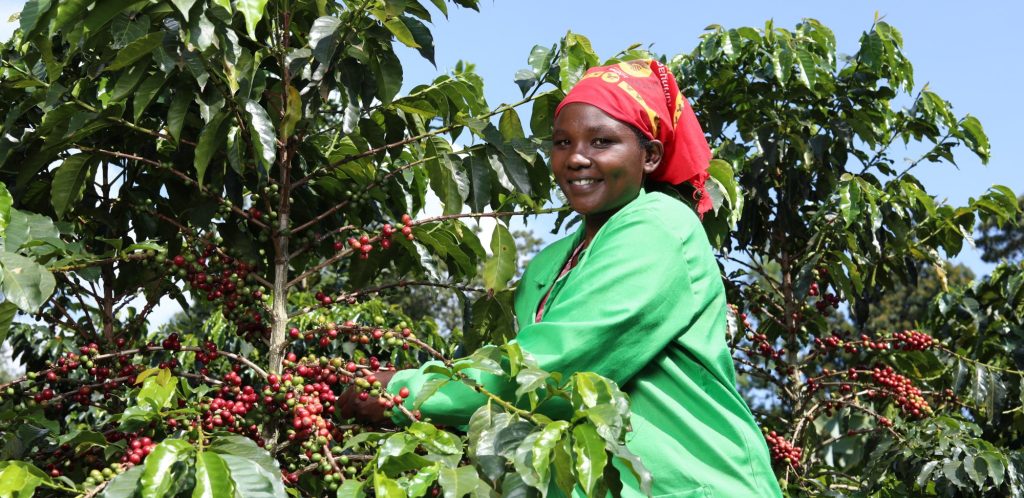
Let’s begin with the beans. They grow in faraway lands – romantic if you’re on a gap year, tragic if you’re working the fields. Tiny brown miracles tended by hands that earn a pittance so you can sip your latte in a climate-controlled cocoon.
Fair trade? Organic? Labels to soothe the conscience while the global machine churns on. The truth is, coffee economies are precarious, a monoculture house of cards balanced on the shifting sands of climate change and corporate greed.
And yet, we drink. Oh, how we drink. The great liquid crutch of capitalism. Coffee doesn’t just wake us up; it cajoles, seduces, insists. It whispers that it’s okay to work a little harder, stay a little later, sleep a little less. It’s the oil that lubricates the hamster wheel of modern life, a beverage that’s somehow both stimulant and soporific, urging us forward while dulling the sharp edges of reality.
Health gurus will argue over its virtues and vices – antioxidants versus anxiety, focus versus palpitations – but let’s not pretend we drink it for our well-being. Coffee is a ritual, a performance, a mask. It’s not the drink we love; it’s the idea of it. The chic porcelain cup on a café table, the hum of conversation, the smug satisfaction of productivity distilled into a single, steaming sip.
And what of the environment? Coffee plants don’t sprout from heaven like manna; they demand land, water, and labour. Rainforests fall so we can harvest our daily fix, and biodiversity vanishes under the tyranny of arabica monocultures.
But who cares about the lungs of the Earth when there’s an espresso machine wheezing in the corner, promising salvation in a demitasse?
Yet, for all this, coffee is magnificent. It’s the drink of revolutionaries and romantics, of poets and professors. It’s the murky pool where big ideas brew and bad ones drown. A symbol of civilization’s relentless push forward, yes – but also its moments of pause, its stolen minutes of joy.
So, is coffee the curse of civilisation? Of course it is. And like every good curse, it’s utterly irresistible.
There is no scientific evidence whatsoever that coffee provides any health benefits to the human body; it certainly doesn’t keep you awake while driving for long journeys. What it does there is merely cur off the nervous system’s messages that tell you you’re getting tired.
I’m not trying to make your mind up – that’s your job. If you’re open to digging a little deeper about coffee’s darker side, I invite you to read Canadian journalist and coach Jason Christoff’s perspective, from lower frequencies to causing brain damage.
https://www.jchristoff.com/blog/little-known-facts-about-coffee
Graeme DInnen
ResourcesForLife.net
PS. If you didn’t already know, coffee is a fruit. There are many legends about how coffee was discovered, the most popular being by Kaldi, an Ethiopian goatherder in 800AD when his goats became more energetic after eating red berries on a bush. He tried them too, and shared his discovery with local monks.
Leave a Reply