
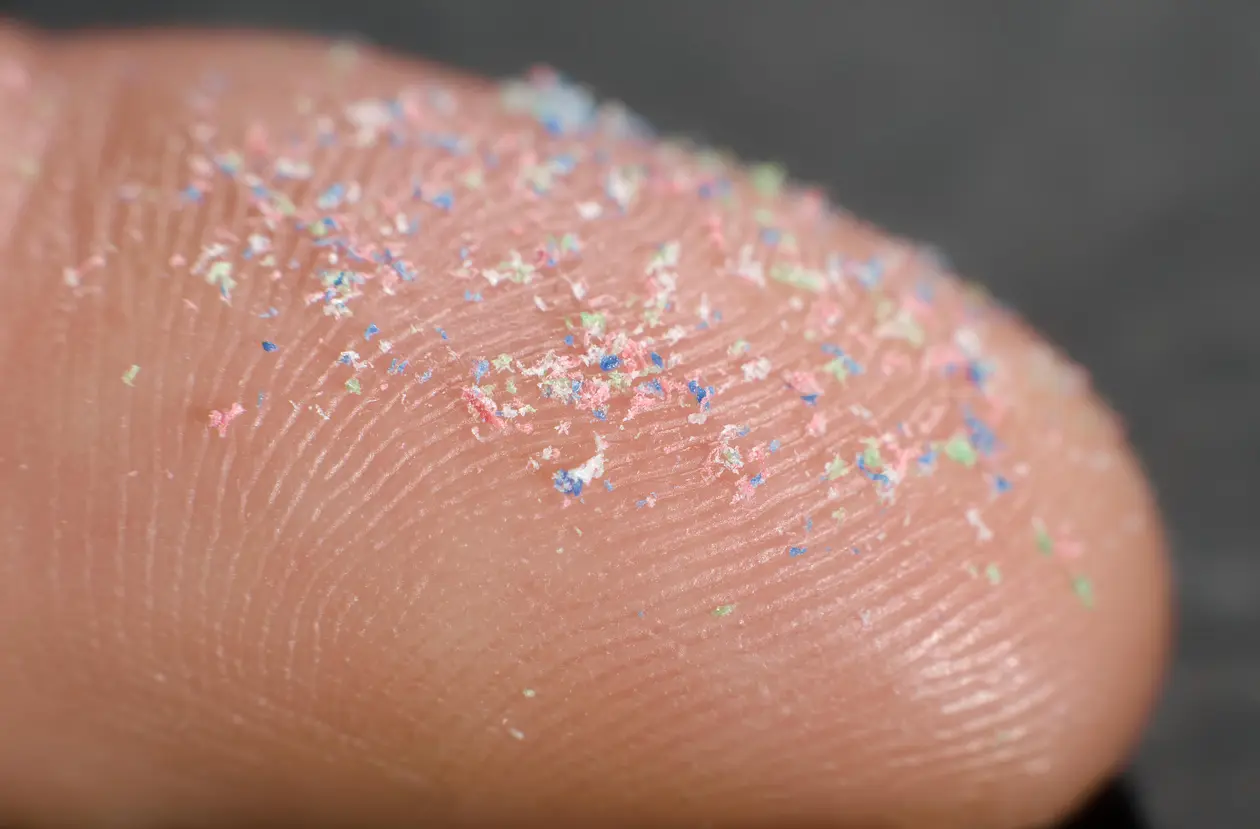
You don’t want microplastics in your supper any more than you want diesel in your claret. Yet here they are, ubiquitous, uninvited, and about as welcome as a hair in the butter.
They arrive not with a label, not with a flourish, but with the quiet inevitability of modern life: in the water, the fish, the soil, the very marrow of our food.
The search engines tell us that no one is deliberately sprinkling plastic confetti into your cornflakes. Perish the thought. No, this is all frightfully accidental. Contamination, they say, like dust settling on a sideboard. Not an ingredient, just an inconvenience.
I imagine the boardroom directors nodding gravely: terribly unfortunate, nothing to be done.
And yet, history has a habit of spoiling a good alibi. In 2014, Procter & Gamble rather brazenly popped microplastics into Crest toothpaste, on purpose, mind you, and even declared them safe with the confidence of a man insisting the tiger is vegetarian.
By 2016, after the hullabaloo raised by dentists and consumers, the plastics were quietly withdrawn. If they could be added, and then removed, the idea that they only ever “wander in by accident” doesn’t pass the laugh test.
It collapses in a heap of corporate euphemism.
Crest may have cleaned up its act, but elsewhere the trail goes cold and murky. Some toothpastes still dress their plastics in their Sunday best, calling them carbomer, PVP, polyethylene. It’s less a lie than a linguistic shrug.
Groups like “Beat the Microbead” have pointed fingers at familiar names: Aquafresh, Prodent, Zendium, Oral-B, though always with the caveat that formulations shift like sand, so the label remains your only reliable witness.
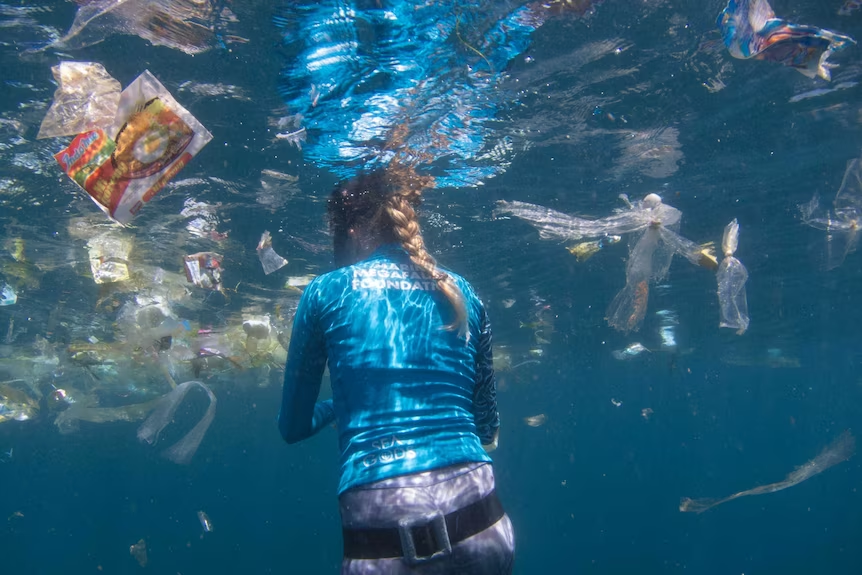
Meanwhile, the story grows darker, and stranger. Microplastics are no longer just in the sea; they’re in the soil that grows your carrots, the fruit bowl on your table, the water in your kettle. They’ve been found in placentas and breast milk, our most intimate, most guarded frontiers, suggesting that life now begins not just with a cry, but with a faint, polymer whisper.
The long-term health effects remain the great, looming question mark. We do know that plastics carry a cocktail of chemicals with a talent for mischief, nudging hormones off course, stirring inflammation, raising the spectre of cancers and heart disease.
Some particles are small enough to slip past the brain’s defences; others arrive carrying toxins as uninvited plus-ones. It’s less a single threat than a whole travelling circus of them.
And yes, we’re told we consume about five grams of plastic a week – roughly a credit card. A bleak little metaphor, that: we’re quite literally eating the modern world, one silent swipe at a time.
Light At The End Of The Tunnel
Still, not all is doom served cold. In Texas, a team of teenagers have concocted a device no larger than a pen that uses sound waves to herd microplastics together like sheepdogs with a physics degree. It’s clever, elegant, and just hopeful enough to keep despair from becoming the house wine.
Whether it scales beyond the lab bench is another matter, but it’s a reminder that ingenuity hasn’t yet been entirely outpaced by our capacity to make a mess.
I have as yet been unable to locate their device.
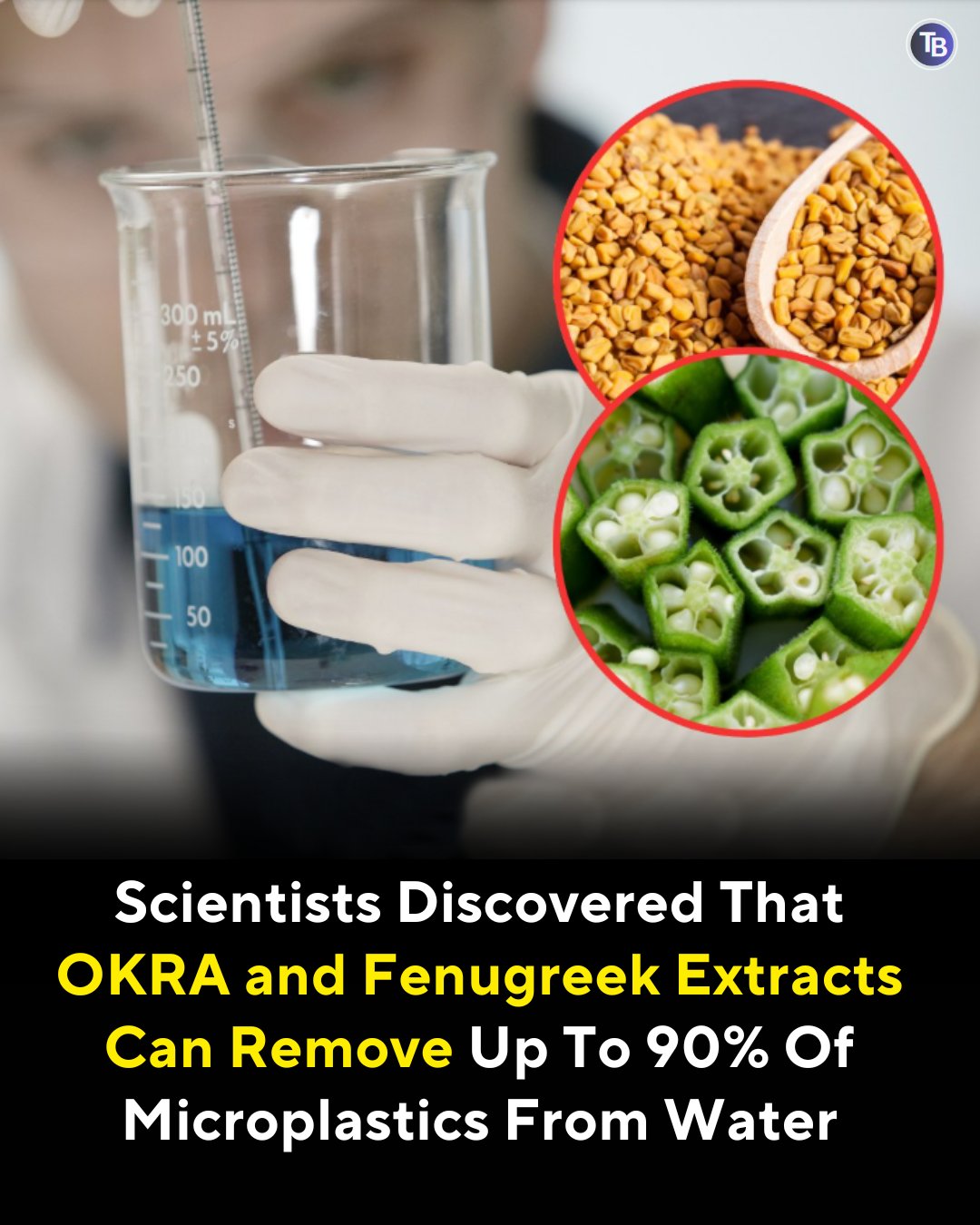
As for the rest, there’s tamarind seed, chlorella, okra and fenugreek. These read like ingredients in a particularly virtuous stew, each touted in corners of the internet as a possible helper. Whether they are heroes or merely garnish remains to be seen.
In the meantime, the advice is tediously sensible: read labels, filter water, favour less processed foods, and try to live a little less wrapped in plastic. It won’t solve everything. But then, neither does pretending the problem arrived by accident and will politely leave the same way.
What You Can Do Today
Watch this clip for sound advice from Dr.Eric Berg on what you can do from today onwards
https://www.facebook.com/reel/1280137714125505
Let’s put this in perspective. According to recent research, the largest source of microplastics to the average person today is bottled water. A litre of bottled water contains approximately 240,000 tiny plastic particles.
You certainly don’t want them inside you.
Graeme Dinnen
ResourcesForLife.net


Leave a Reply