
Why Your Knees Sulk
To restore a knee, you must first offend it slightly. That, at least, is the impolite truth. The modern instinct is to tuck the joint up in cotton wool, to whisper to it, to excuse it from duty as though it were a minor aristocrat fallen upon delicate times.
A joint does not sleep. It starves. “Rest,” say the doctors, with the best upholstery of intentions. And so we sit. And in sitting, we rust.
The great paradox, and medicine has a cupboard full of them, is that a knee spared is a knee spoiled. A joint is not a porcelain figurine to be admired at a distance. It is a hinge. And a hinge that does not hinge becomes a grievance.
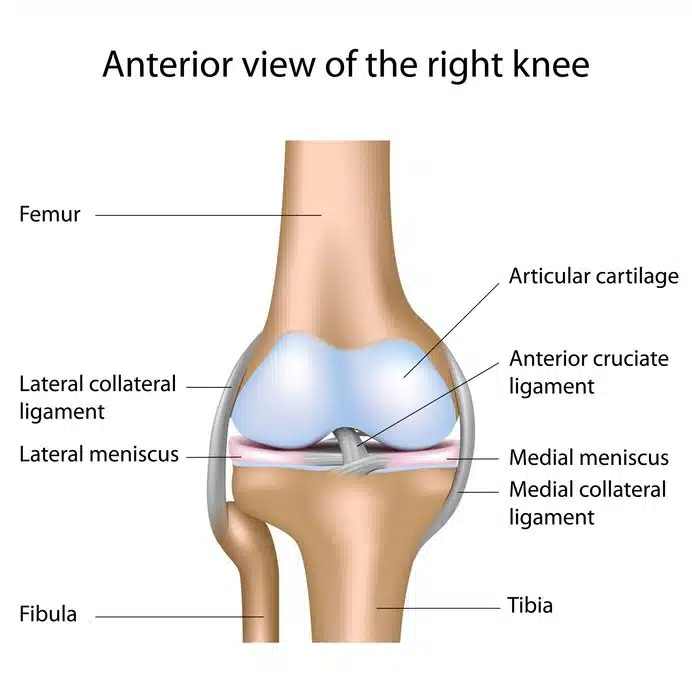
Consider the cartilage. It has no blood of its own as it dines instead on synovial fluid, that slick, miraculous broth brewed only when the joint moves. No motion, no broth. No broth, no banquet. And so the cartilage dries like yesterday’s toast, and the knee, far from resting, begins its quiet sulk into decay.
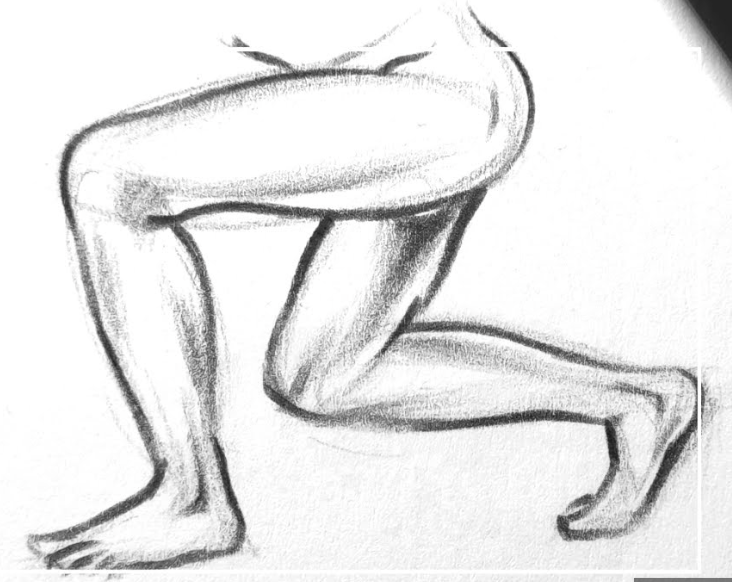
The Taoists, who were rarely in a hurry and never surprised by the body’s stubborn logic, understood this long before the MRI machines began humming. Their prescription is disarmingly simple: kneel, and move. Not with the grim determination of a penitent monk, but gently, as though negotiating with an old friend.
Knee walking, which sounds faintly ridiculous until you try it, works the joint like a pump. A soft compression, a subtle shift. Stale fluid pressed out, fresh fluid drawn in. The whole mechanism refreshed from within. Warmth follows. Then a little more freedom. Morning stiffness loosens its grip. The crackling that once announced each step in time, quietens. It is not mysticism. It is plumbing.
But you must not be heroic about it. Heroism is the fastest route to orthopaedics. Never on a bare floor, this is not Spartan training. A thick carpet, a folded blanket, a mattress: the knees must sink, not challenge.
If pain barks loudly, simply kneel for a minute and shift your weight. That alone is enough to stir circulation. Later, perhaps, a slow step forward, then back. Spine upright. Movements measured.
Joints are meant to work; they are not meant to suffer.
In Chinese medicine, the knees are spoken of as a kind of crossroads, a place where the traffic of the body gathers before travelling upward. When they function well, people report a curious lightness, as though someone has opened a window somewhere behind the eyes.
Even in moments of immediate discomfort, a firm but civilised pressure around the kneecap can ease swelling and persuade tension to stand down.
Small habits, performed faithfully, tend to outwit grand gestures. Stillness, for all its apparent kindness, is often the cruellest choice of all.
Why Your Toes Tell the Truth
Toes are the unsung footnotes of style, the small print that reveals whether the wearer has read the contract. We spend our lives checking the obvious – hair, jacket, fingernails, watch – while the toes, those five blunt vowels at the end of the sentence, are left to mumble.
This is a mistake. Toes are honesty. They are the last place vanity thinks to lie, and therefore the first place truth peeks out.
Good toes suggest a person who finishes things. They have been clipped, considered, occasionally allowed a holiday of varnish. Bad toes, yellowed, taloned, ashamed, betray a chaos elsewhere, a sock-drawer life.
Analysing The Toes
Shoes, of course, are their opera house. A shoe can forgive a multitude of sins, but it cannot redeem toes that have given up. Sandals are the cross-examination. They ask the question plainly and accept no excuses in reply.
Style is not about display; it’s about control. Toes demonstrate it perfectly. They are domesticated extremities, once wild, now persuaded into leather and rubber, trained to walk politely in public.
The stylish person knows this and makes choices accordingly: the clean white trainer with the democratic toe box; the loafer, louche but disciplined; the raised heel, which turns toes into a clenched fist of intent.
Even bare feet can be stylish if they look as though they’ve chosen freedom rather than fled responsibility.
Ignore toes and you risk the fatal flaw: the immaculate suit undone by a pair of feet that look like they’ve lost an argument with a lawnmower. Attend to them and you gain quiet authority.
Toes don’t shout. They don’t need to. They whisper competence from ground level, which is where all style, eventually, must stand.
I read recently of a doctor who said to a patient: “Clench your toes twenty times.” No lecture. No explanation. And by the fifth squeeze the patient felt a warm, soft current switch on in his lower abdomen.
The doctor continued, “Exactly. That’s what your body has been missing.” Turns out the toes are directly connected to balance and nervous regulation. Activate them, and the body wakes up from the bottom up.
By the tenth squeeze, the patient’s breathing became lighter, like someone had removed an invisible weight from his chest. The doctor explained: “You just stabilised your vagus nerve. People take pills for years, and their feet aren’t even functioning. You will have felt your breath deepen and smooth out, without forcing anything.“
On the fifteenth squeeze, a neck spasm he’d had all week released. The doctor nodded: “There it is. When the foot is locked, the whole body goes into defense mode. Activate the toes and blood flow moves upward.”
I was impressed that something so simple could change a state in seconds.
After the twentieth squeeze came clarity. Not a high. Not euphoria, just the feeling that his brain clicked back into place and started working normally again. Then the doctor said: “This is how we discharge micro-stress that builds up for days. I use this technique to bring people back into their bodies even during panic.”
The doctor added: “Your mind works better when you activate the ground under you.”
Try it yourself. Right away if you can. If nothing happens the first time, it’s probably because it’s the first time. Don’t give up. Try later on, ot tomorrow morning, and again in the evening. To make it a habit, do it while you’re making toast or boiling the kettle. You won’t regret it.
That was how I found it, through perseverance. And for the first time in a long while, I felt assembled.
I now do this most mornings, and before important events. It lifts me from the inside and centres me.
Don’t let out-of-sight become out-of-mind. The Doctor was right.
Graeme Dinnen
ResourcesForLife.net

Leave a Reply