
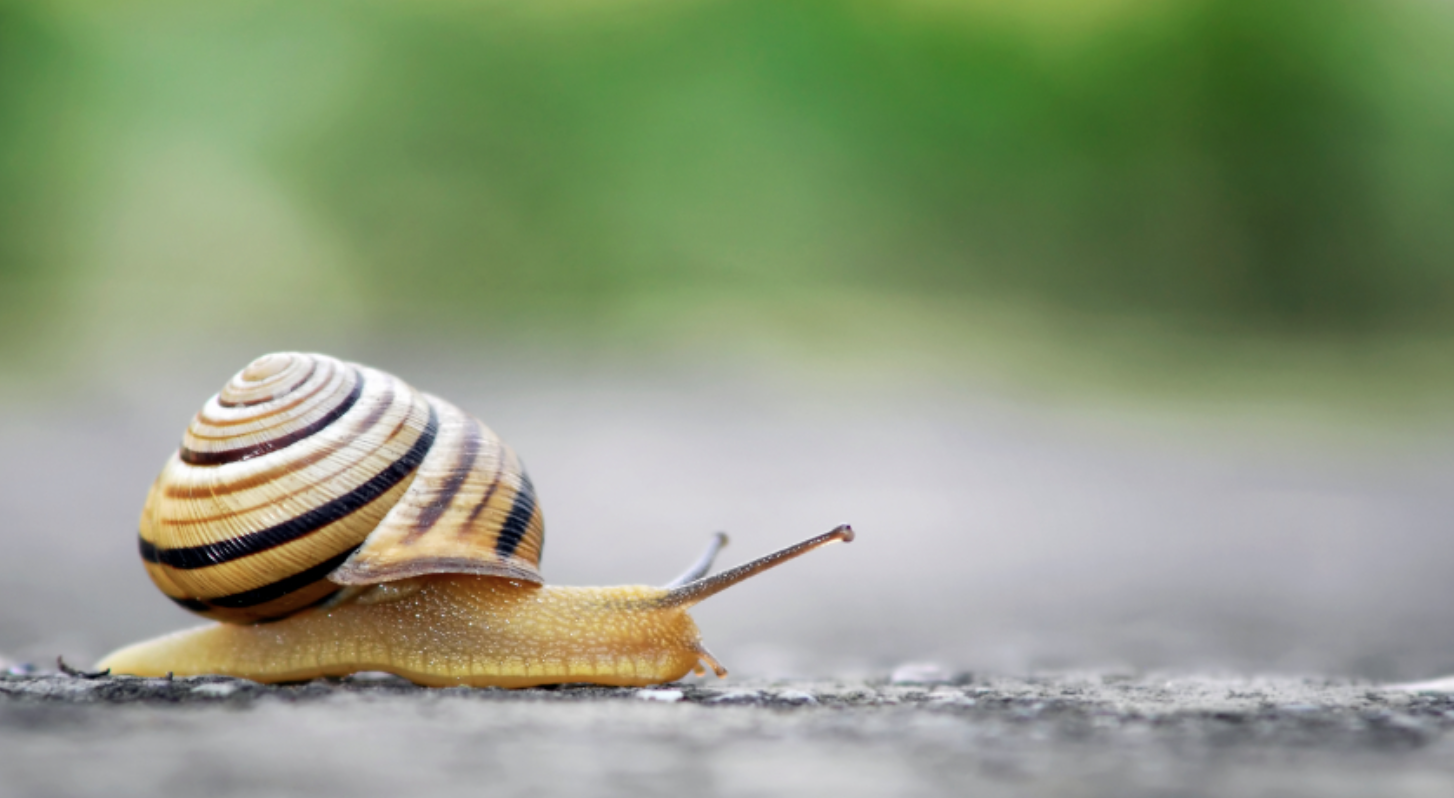
As I was listening to a BBC radio programme one Sunday afternoon – because that’s what Sunday afternoons are for, aren’t they? – I heard a man explaining, in measured, thoughtful tones, how he had solved the great modern malaise of being in too much of a hurry.
His solution? He bought a tortoise.
Not metaphorically, not as some abstract symbol of mindful living, but a real, actual, plodding, unbothered tortoise.
And not just him – he set up a group of similarly afflicted souls, who met in the park each Sunday, tortoises in tow, to let their reptilian sherpas dictate the pace and direction of their stroll.
There’s something quintessentially British about this. In a country where we solve problems by queuing, by tutting, by writing strongly worded letters to newspapers, this man and his band of slow-motion philosophers have chosen instead to relinquish control to creatures that move with the urgency of a misplaced comma.
It is, in its way, a quiet act of rebellion. A rejection of the modern tyranny of speed, of efficiency, of purpose.
Because, of course, the tortoises decide everything. They set the route, the tempo, the mood. And the humans, normally so busy being busy, can do nothing but follow.
The following Sunday was, for me, an equally enlightening episode on the benefits of slow food.
In this frenzied, espresso-fuelled treadmill world of ours, the idea of slowing down is treated with all the wary suspicion of a stranger offering free hugs on the Tube.
We are creatures of bustle, of movement, of relentless progress, but at what cost? We fill our calendars like hoarders stack shelves, convinced that an empty space is a moral failing. We are told that speed is efficiency, and efficiency is success.
But I put it to you that in our haste, we have confused velocity with purpose, and in our desperate lunge toward productivity, we have forgotten how to live.
Slowing down is not merely an act of rebellion; it is an act of self-preservation. To move at a more considered pace is to reassert the notion that life is to be lived, not merely managed.
It is to recall the lost art of lingering – the delicious luxury of taking your time, of dwelling on a thought, a moment, or a conversation without feeling the anxious tug of the next appointment.
It is, in short, the rediscovery of depth in an era of breadth.
Consider, for example, the simple act of eating. We have turned food into fuel, meals into meetings, dining into a functional pit stop rather than a pleasurable ritual. We eat distractedly, scrolling through screens, inhaling our lunch in industrial mouthfuls before a scheduled TV programme we want to watch, begins.
We barely taste the food that sustains our life.

Yet, in cultures where food is given the dignity of time – where lunch is an event rather than an inconvenience – people live longer, digest better, and are statistically happier. Perhaps they know something we don’t. Could the difference between existence and life be in the way we chew?
And then there’s travel. What was once a poetic journey, a slow unfolding of landscape and expectation, has been reduced to an exercise in endurance. We power through itineraries like contestants on a game show, ticking off sights as if sightseeing were a test of stamina rather than curiosity.
Those of you who’ve endured – or, revelled in – the masochistic joys of completing bird-spotting charts, those arcane, soul-nibbling spreadsheets of twitcherly virtue, will know precisely what I mean. It’s not just about birds. It never is. It’s about taxonomy as religion, plumage as poetry, and the smug, ecclesiastical satisfaction of ticking a box in biro-blue.
We do not wander; we strategise. We do not meander; we optimise. And the cruel irony? We return from our holidays in dire need of a holiday.
Even love – surely the one thing that should exist outside the tyranny of efficiency – has not been spared. Dating has been reduced to an algorithmic conveyor belt of swipes and pings, determined by whether a potential partner is sufficiently “hot”.
Images are of course flatteringly airbrushed.
It’s as though romance were a problem that could be solved with enough data points. We no longer fall in love; we schedule it. We demand instant chemistry, instant connection, instant gratification, and in our impatience, we rob ourselves of the slow-burn magic of discovery, of the quiet pleasure of getting to know another human being in all their messy, contradictory wonder.
The irony, of course, is that in our relentless drive to do more, we achieve less. Studies show that overwork leads not to greater output but to burnout, that multitasking makes us not more efficient but more error-prone, that the greatest thinkers, artists, and innovators have all been champions of stillness, solitude, and slowness.
Leonardo da Vinci, Einstein, Darwin – none of them would have thrived in an open-plan office with Slack notifications pinging at them every minute. Creativity requires space. Insight requires silence.
Life, real life, requires time.
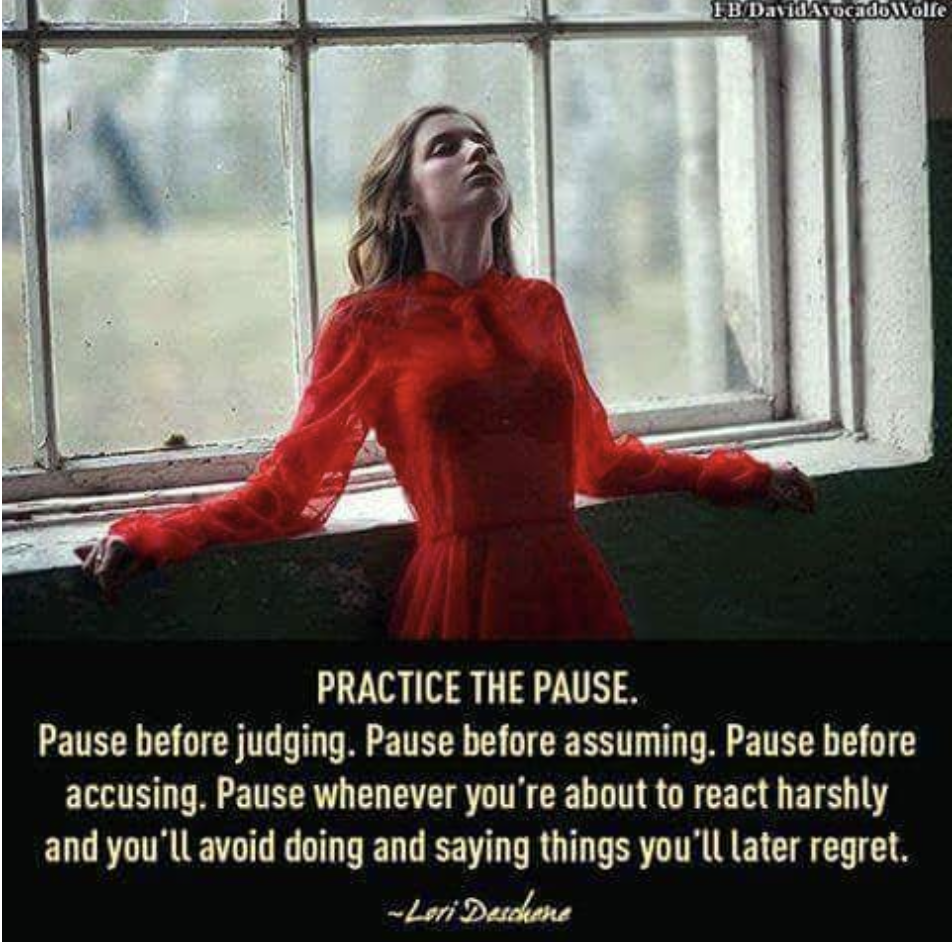
So, what to do? The solution is both radical and embarrassingly simple: stop. Or at least, slow down. Make space in your day that is not scheduled, that has no purpose beyond existing.
“If you’re always racing to the next moment, what happens to the one you’re in?” Nanette Mathews
Walk, or jog, without headphones. Eat without a screen. Read without skimming. Speak without rushing. Listen without preparing a reply. Take the long route. Let the kettle boil properly. Do something – anything – at half speed and watch, as if by some miracle, the world does not end, but expands.
Want to learn a musical instrument? Practicing your tunes at a snail’s pace will bring surprising rewards. That’s how the Moscow Conservatory teaches pupils. If a passer-by recognises the tune being played, the performer is practising it too fast.
For in the end, life is not a race, and time is not an enemy to be conquered but a companion to be savoured. And if we are lucky – if we are wise – we may just find that the things we were hurrying towards were never quite as good as the things we missed along the way.
Graeme Dinnen
ResourceForLife.net
Leave a Reply