
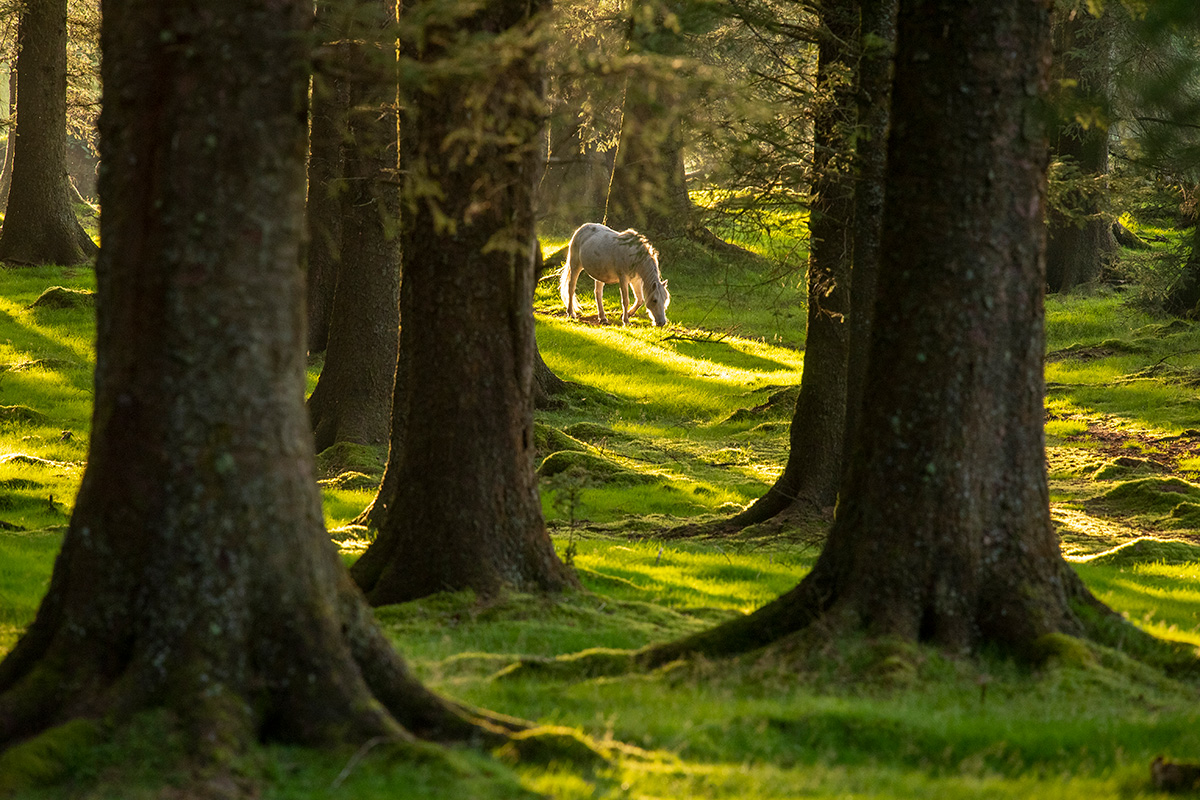
For most of human history, we have made the same blunder with plants: we have mistaken silence for simplicity.
A tree stands in one place for centuries, apparently doing very little. It does not chase, argue, complain, or announce its intentions on social media. It simply remains there, which to the human imagination is suspiciously close to being boring.
We like movement. We like noise. We like things that look as though they are having an interesting time.
But beneath that apparent stillness is a world of astonishing activity.
A plant is not a decoration that happens to be alive. It is a sophisticated survivor, quietly running a chemical empire beneath our feet. Its roots explore the soil like a slow-motion underground expedition, searching for water and nutrients.
Its leaves monitor the sun with extraordinary precision. When attacked by insects, it can release chemical warnings, sending messages into the surrounding environment that other plants can respond to.
It is tempting, naturally, to turn this into a little woodland fairy tale. We imagine trees whispering secrets, flowers exchanging gossip, and forests having ancient conversations while humans rush past without noticing.
The truth is both less magical and, in some ways, more impressive.
Plants do communicate, but not because they have opinions. They do not send warnings because they are frightened in the way an animal is frightened. They do not sit quietly in the garden contemplating existence. They are not miniature philosophers wearing leaves instead of trousers.
They are simply very, very good at being plants.
Some experiments suggest that plants can adjust their behaviour based on previous experiences. The sensitive plant, for example, can become less reactive after repeated harmless disturbances. It appears to “remember” in some sense.
But this is not memory as we understand it. There is no evidence of a private inner world, no little plant mind sitting behind the leaves making plans for tomorrow.
And this is where humans often get carried away.
We see intelligence and immediately assume there must be a brain behind it. We see a response and imagine a feeling. We see complexity and expect consciousness. But nature has produced countless ways of solving problems without producing thoughts.
A thermostat regulates temperature without understanding heat. An immune system fights disease without knowing what illness is. A plant can defend itself without experiencing fear.
The mistake is not in admiring plants. They deserve admiration. The mistake is believing they must become more like us before they become interesting.
Plants have spent hundreds of millions of years perfecting a different way of existing. They have no need to run, hunt, or think. They survive through patience, chemistry, and an extraordinary ability to adapt.
The forest is not a gathering of silent minds. It is something stranger: a living network of organisms responding to the world in ways that do not require thoughts, feelings, or awareness.
Plants do not have minds like ours.
But perhaps that is exactly why they are worth paying attention to.
“When I die, she said, I’m coming back as a tree with deep roots & I’ll wave my leaves at the children every morning on their way to school & whisper tree songs…”. Brian Andreas, StoryPeople
Graeme Dinnen
ResourcesForLife.net
PS There are several extraordinary books about trees. I’m currently reading Peter Wohlleben’s “The Hidden Life ofTrees about how threes communicate. Next on my list is Suzanne Simard’s “How To Find The Mother Tree”. Both remarkable works.
An extract from my book “The Body Speaks”:
A Danish study found that people who live near green spaces and forests are healthier and live longer.
Research shows that spending five days and four nights in a forest environment can enhance the activity of natural killer (NK) cells in the body. These cells play a crucial role in fighting cancer and infections. The immune boost from being in nature can last for up to seven days after the trip.
This effect is part of a concept called “forest bathing” or “Shinrin-yoku,” which has been shown to improve overall well-being. Studies have found that time spent in forests positively impacts the immune system. The results highlight the therapeutic benefits of nature on human health.
Find an Air B&B in a pine forest because:
“Pine trees have an irreplaceable value to human lives….their true value is invisible except on very hot days where a blue haze hangsover the trees and we can see their most precious offering. The trees emit a chemical known as pinene; for the trees it emits a haze that protects them from the heat of the sun; for us it has an equally protective effect. Scientists have found that when we inhale pinene, it chemically interacts with our bodies, lowering the levels of the stress hormone, cortisol and enhancing the activity of our anti-cancer killer cells.”

Leave a Reply