
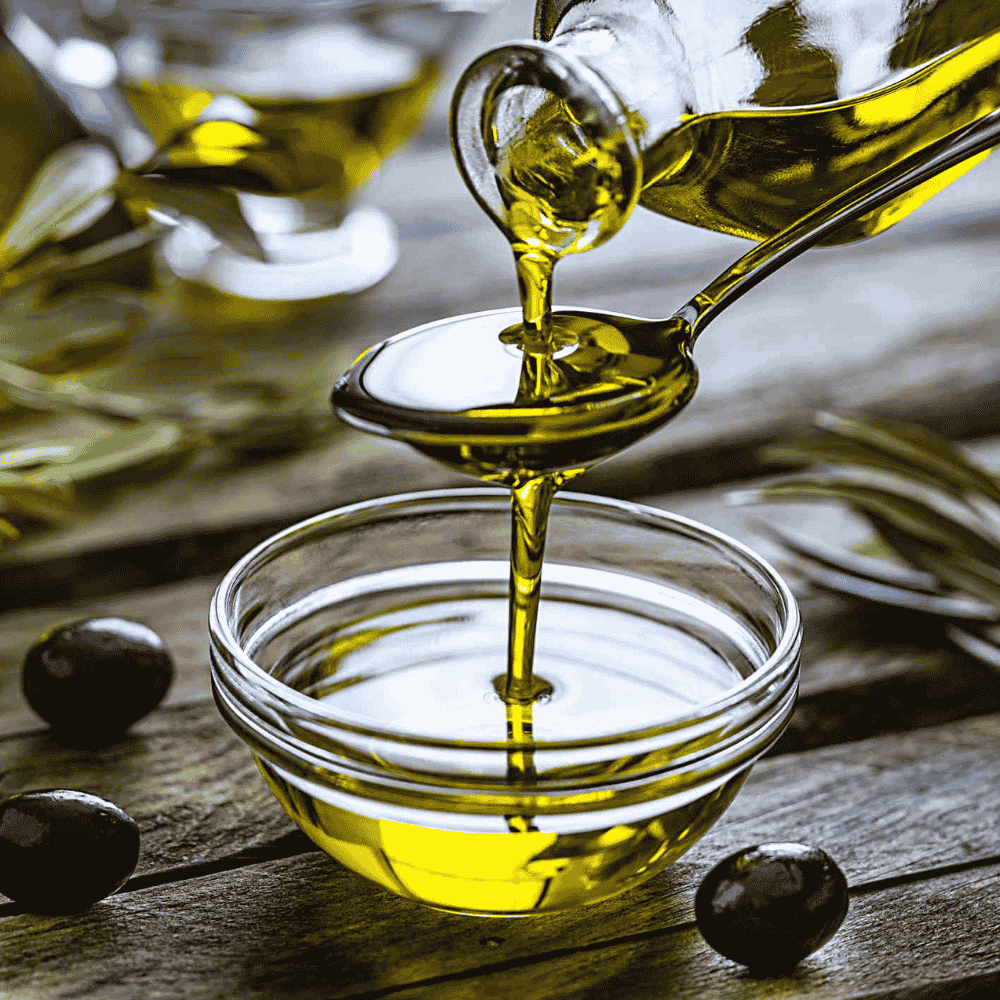
There was a time when olive oil knew its place.
It arrived in dented tins with labels that looked as though they’d been designed during a long lunch. It smelt of hot afternoons, dusty groves and stone farmhouses where recipes were inherited rather than invented. It asked for nothing more than a crust of bread, a tomato and perhaps the company of a sensible bottle of wine.
Today, it has become liquid gold.
And history teaches us that wherever gold accumulates, rogues soon follow with shiny shoes and grubby intentions.
Across Europe, soaring prices, relentless droughts and disappointing harvests have transformed extra virgin olive oil into one of the world’s most desirable foods – and one of its most profitable targets for fraud.
Criminals have been caught diluting it with anonymous seed oils, dressing ordinary olive oil in aristocratic labels, inventing noble family trees and persuading perfectly mediocre liquids that they were born beneath Tuscan sunsets.
Greek poet Homer called it “liquid gold” more than two thousand years ago. He could scarcely have imagined that one day the phrase would sound less like poetry and more like a police briefing.
From Spain to Italy, investigators have uncovered warehouses holding hundreds of thousands of litres of counterfeit oil. Europol now spends almost as much time following the olive trail as it does organised crime, while inspectors descend upon bottling plants with the enthusiasm once reserved for illicit whisky stills.
Yet the greatest casualty isn’t the shopper who unknowingly pours counterfeit virtue over a bowl of salad.
It’s the honest grower.
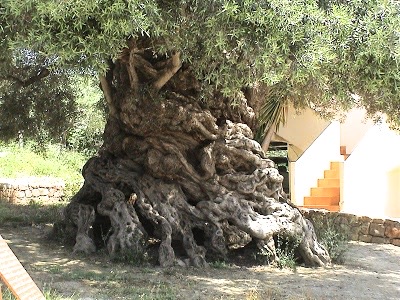
The family whose gnarled trees have survived wars, droughts and generations of hard hands. People who spend an entire year nurturing fruit from ancient branches, only to see their reputation diluted by someone with a stainless-steel tank and a vivid imagination.
The answer, however, isn’t to abandon olive oil. Nobody swears off Burgundy because somebody once bottled vinegar with a French château on the label.
The answer is simply to buy wisely.
Choose producers whose names mean something. Be suspicious of miraculous bargains. Look for harvest dates rather than clever marketing phraseology. Real olive oil carries the quiet confidence of authenticity. It doesn’t need to shout.
The recent headlines about Europe’s olive oil racket have reminded us just how valuable trust has become. In today’s food world, that’s almost rarer than finding a politician who can blush.
Food fraud has become the supermarket’s invisible aisle. Honey that’s enjoyed an intimate relationship with corn syrup. Herbs bulked out with whatever happened to be lying around. “Extra virgin” oils that have clearly lived colourful, complicated lives before arriving on your kitchen shelf.
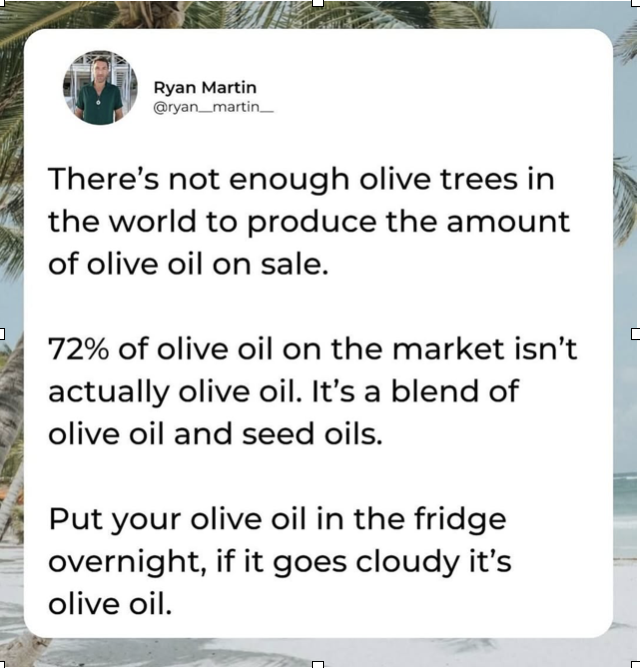
It’s a magnificent masquerade where, all too often, the label is the only ingredient that’s entirely genuine.
Fortunately, there is another way.
Support the growers who still treat olive oil as a craft rather than a commodity. Celebrate the producers whose pride lives inside every bottle. Every purchase helps preserve centuries of knowledge, family traditions and landscapes that deserve to outlive the counterfeiters.
After all, every meal is an investment in tomorrow. Your body quietly rebuilds itself from the food you choose today. Give it honest materials, and it has every chance of returning the favour.
Need I say more?
If you’re in the UK, we’d love to help you discover olive oil the way it ought to taste. Here’s an offer to take £5 off your first order – not as a gimmick, but as a small celebration of good taste, honest farming and food you can trust.
We joined their free Olive Oil Club and arranged a monthly delivery. One less thing to think about, and one more thing to look forward to.
Salute.
Graeme Dinnen
ResourcesForLife.net
Leave a Reply