
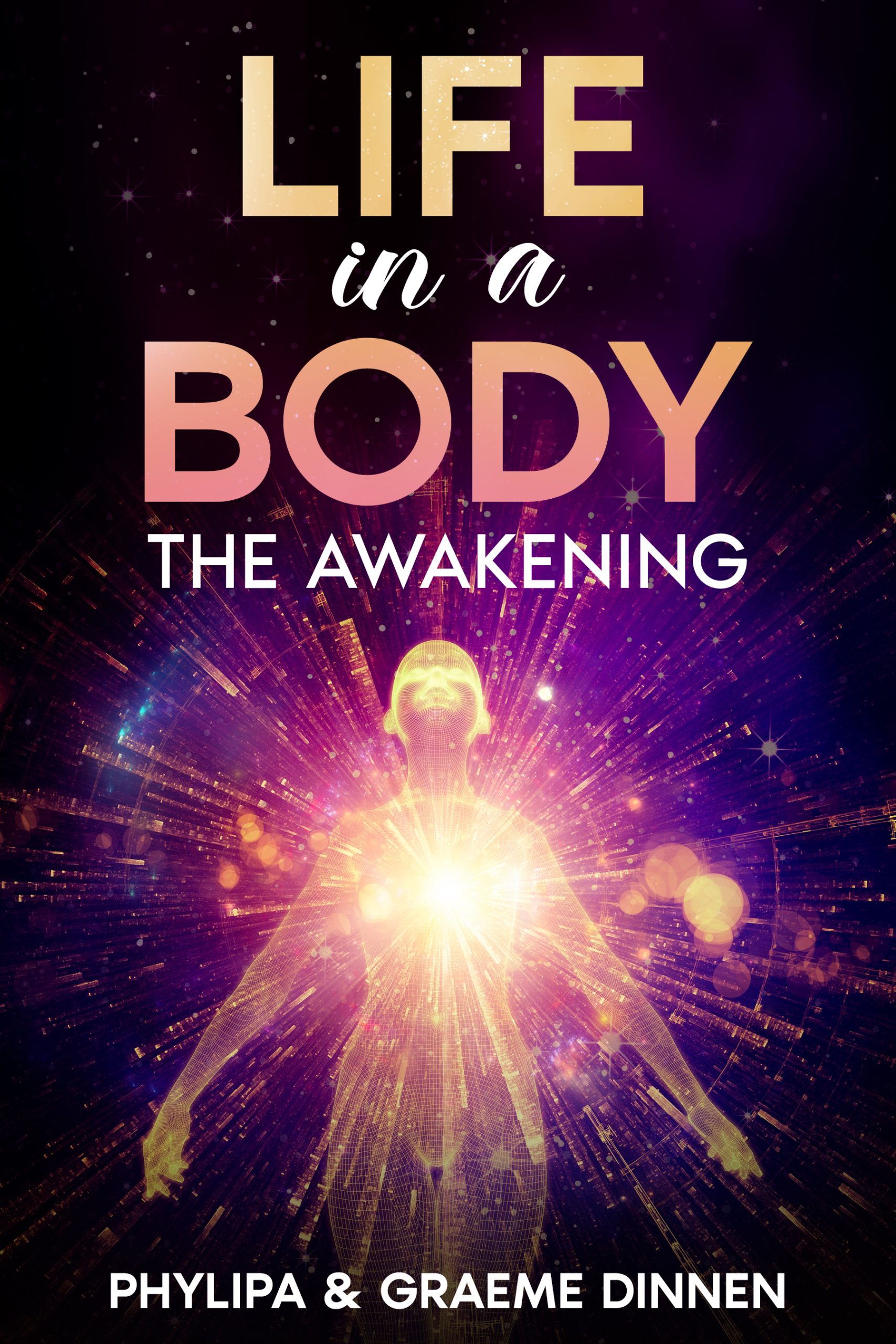
Life in a Body is not a self-help manual in the antiseptic sense; it is a deep, unvarnished exploration of the flesh and bone of human existence. A
t the heart of Phylipa’s project, forged from two decades of clinical reflection and therapeutic engagement, is a radical premise: your body is not the passive vessel you were taught to think it is.
It is the archive of every beginning, every wound, every negotiation you ever made with life and with those who bequeathed you that life.
From the first page you realise this book isn’t interested in pretty metaphors about the heart. Phylipa writes as if she is palpating the reader, hands under the ribs, fingertips into the groin, a kind of somatic interrogation that’s both tender and implacable.
There is no detachment here. To be “in a body” is to be implicated in it, to acknowledge its inherited accidents and its daily betrayals. Any reader immediately feels that the body Phylipa describes is less a biological machine and more a living autobiography.
Its scars, aches, sensations and silences are the sentences of a life written at tactile speed.
This is a book that insists on intimacy with itself. The prose is precise where others would be precious: she will have you consider your breath not as a poetic metaphor, but as the first and last gesture of life you will ever make.
She treats birth not as a beginning that happened to you, but as a process that leaves a permanent imprint on the psyche and the body’s structural and emotional memory. The shock of entry, the violence of muscle and bone rearranging themselves for air, the very first cry – these are not isolated events but root conditions for a lifetime of negotiation with the world.
In an early chapter, Phylipa dismantles the commonplace language surrounding birth and physical identity. There are no euphemisms here: the body is described in its terrible, miraculous, exasperating reality.
She refuses sugary language, choosing instead to speak with the bluntness of someone who has watched hundreds of bodies – and the stories lodged within them – cross thresholds of illness, ageing, desire, and loss. It makes for prose that is sometimes jarring, often beautiful, and always honest.
The body is at once your oldest companion and your cruellest betrayer. The sentences are at their best when they lean into that paradox – when she makes you feel the tender absurdity of being both prisoner and proprietor of this flesh.
She notes, somewhere between a sigh and a challenge, that your body remembers what your mind has forgotten. The twinge in your hip when you reach for a glass of wine is not a random complaint; it is an echo of some past negotiation between pleasure and damage. The way your shoulders round forward is the biography of your posture, your anxieties and accommodations traced in muscle memory.
Though rooted in therapeutic insight, Life in a Body soars into the realm of cultural critique. Phylipa refuses the sterile boundaries of academic discourse; she writes instead with a moral urgency about how society trains us to hate our bodies before we truly understand them.
Life In A Body is available here – (Kindle anf Paperback)
Graeme Dinnen
ResourcesForLife.net
Leave a Reply