
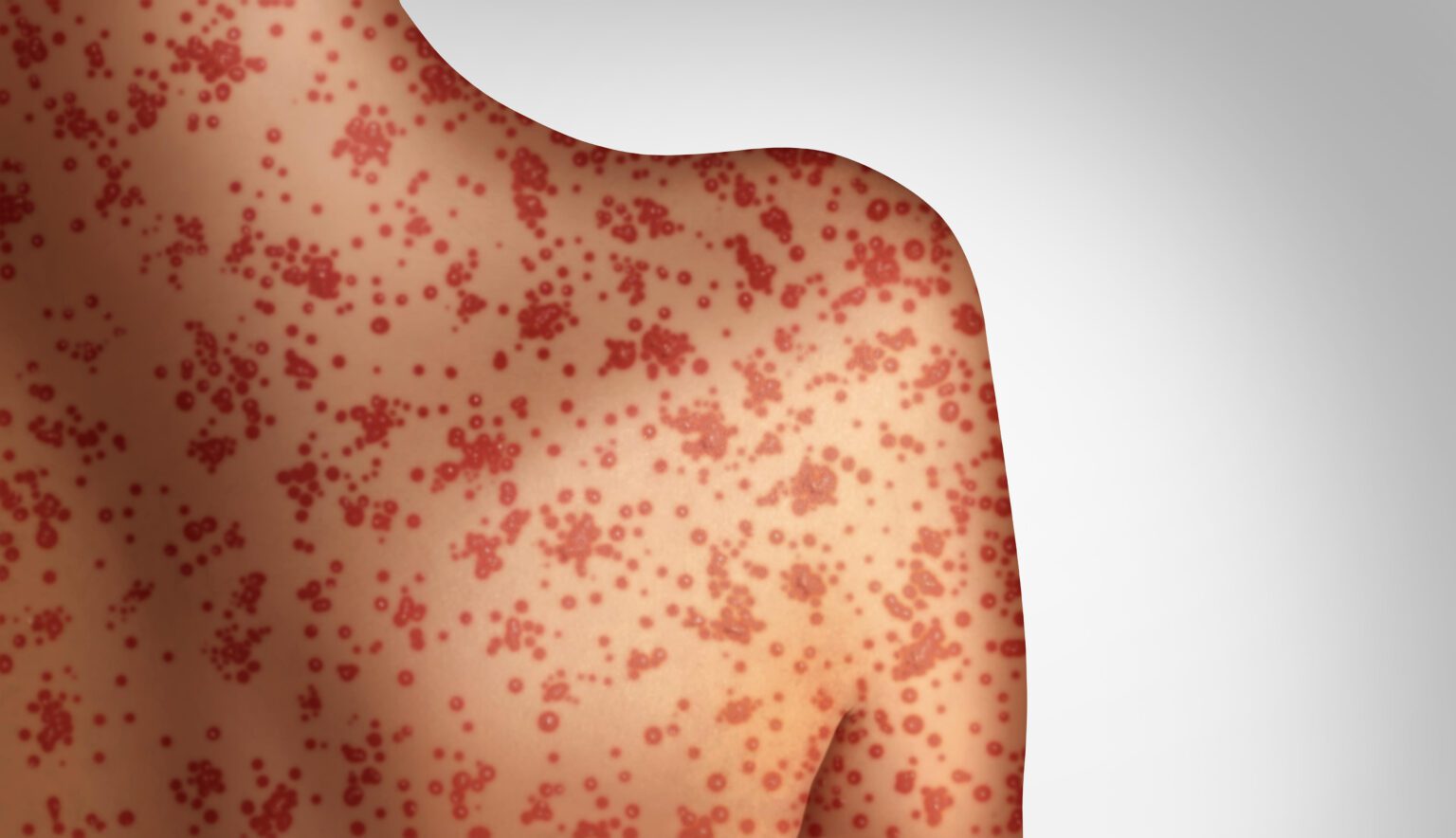
A Minor Epiphany of Childhood
When I was a kid, when one of our friends came down with measles, our parents would take us over to their house like it was a party. The goal? For us to catch measles as well. Seriously.
Measles was just one of those childhood rites of passage. We didn’t know anything about immunity or long-term benefits – what mattered was a guaranteed week off school. Totally worth it.
It worked – My sisters and I caught measles.
By a certain age, a child ought to have two things: a fearsome opinion about ice cream, and the measles. Yes, measles – the prodigal prince of the nursery.
Now, before the Twitterati roll out the guillotine and the wellness bloggers start fermenting outrage in Mason jars, allow me to clarify: I am not in favour of disease. I’m not suggesting we bring back smallpox with commemorative stamps or stage a Black Death immersive theatre experience. But measles – proper, uncomplicated, textbook measles – was once a rite of passage, as common as grazed knees and learning the taste of your own tears.
We forget, in this sterilised epoch of hand sanitisers and playdates, that childhood once had seasons, and measles was its midwinter storm. It came on with theatrical flourish: a red-eyed, rashy herald of that week off school and a surfeit of Ribena.
And it was shared. Measles was communal. Siblings got it together. Neighbourhoods whispered its approach like weather. You could track its spread through playgrounds like a game of rashy dominoes.

Simply because measles is highly contagious, mothers – those iron-fisted field marshals of domestic health – would organise “measles parties” with the grim cheer of generals sending troops into No Man’s Land. The idea was: better now than later, better mild than wild, better get it over with before you’re old enough to have opinions on anything.
Now, I see you squirming – but it’s dangerous! Of course it is. Life is. Childhood is not supposed to be entirely safe. That’s how you get adults who believe disappointment is a form of abuse. Measles, like tree-climbing, like falling in love with your primary school teacher, like discovering your dad isn’t infallible, is part of the curriculum of becoming human.
What measles gave us – other than a temporary resemblance to a Pollock painting – was time. Long, book-fed, boredom-tinged time. You weren’t quarantined from school; you were exiled to that secret island of the unwell, where toast and cartoons were the native dialects and no one expected you to achieve anything beyond existing.
And in that space, you learned things: how to listen to your own thoughts, how to watch dust motes in sunlight, how to be, simply, alone and okay with it.
Of course, modern medicine did away with all that. And thank the NHS that it did – on balance, fewer brain inflammations and improved health stats is a win for civilisation. But by replacing the virus with questionable vaccinations, we’ve also lobbed a small, strange shard of childhood out with it.
In our pursuit of perfectly curated, hazardless childhoods, we’ve ironed out the creases where personality used to hide.
So no, I’m not suggesting we turn measles into a wellness retreat. But perhaps, just perhaps, we shouldn’t mourn its passing only as a threat defeated – but as a weird, itchy, unforgettable little teacher, now gone.
One of the any shafts of bright light that social media connected me with about 15 years ago is Canadian Naturopath Amandha Vollmer, author of Healing with DMSO book. For years she’s led a crusade against Big Pharma and Big Ag if only to counter their continuous stream of lies.
Her words are well worth the read: Measles – https://amandhavollmer.substack.com/p/did-you-know-science-shows-measles?fbclid=IwY2xjawJu6F5leHRuA2FlbQIxMAABHtCDz-34qPs5xXGj4psQP_22ofm75HpGlY7NWLuGQBkQQQ3QBHaKrzP5G3NO_aem_KIrDBVHT-STPwrqHkg4nZA&triedRedirect=true
Graeme DInnen
ResourcesForLife.net
Leave a Reply