
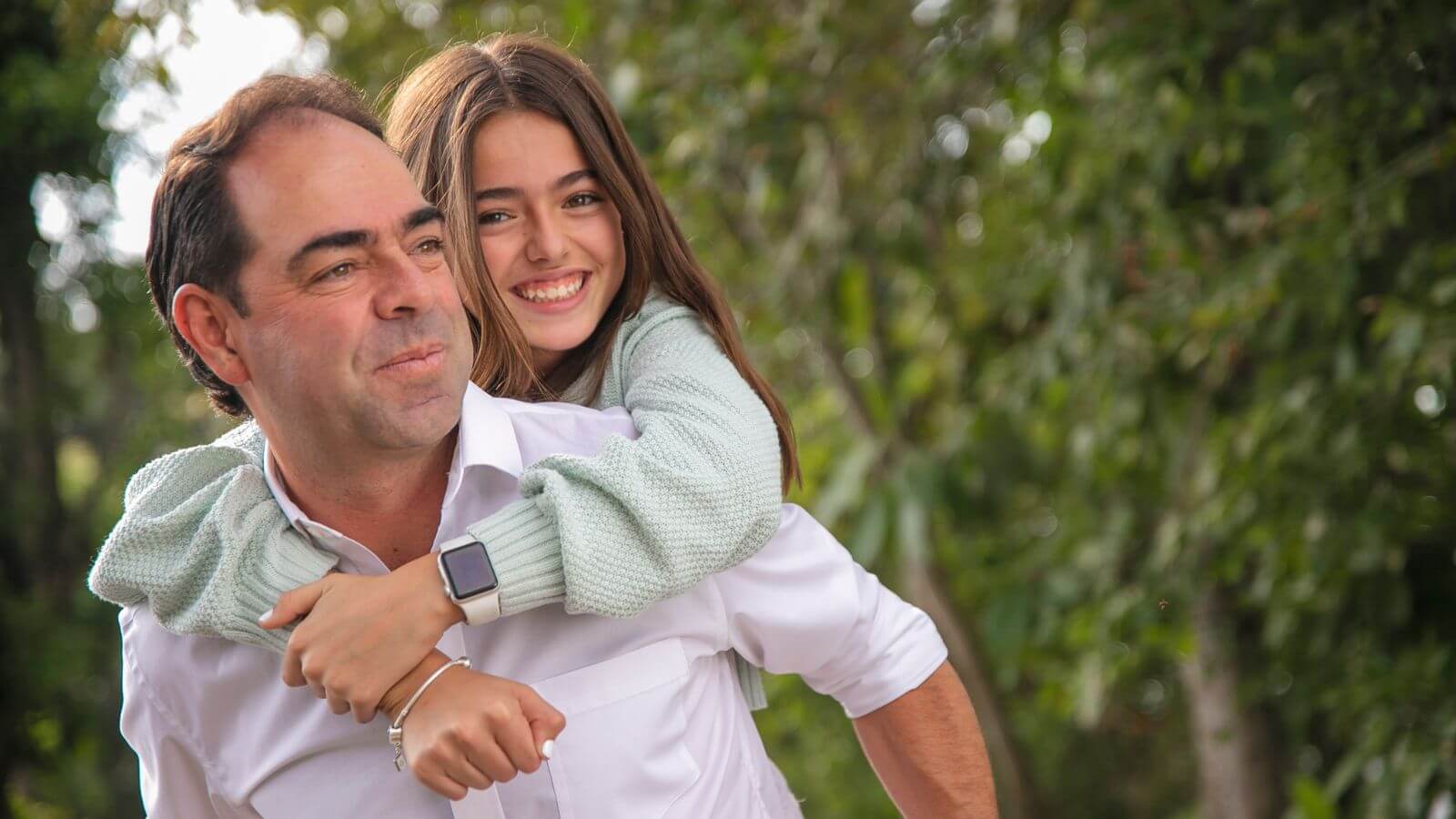
I hesitated to write this…..becauae it concerns me.
My daughter lives with the soft, sad acoustics of someone missing. Not dead, not gone, just offstage.
Her three brothers, once intimate fixtures of my mornings, wobbly with Weetabix and yawns, are now living in geographically distant Australia.
And their daily lives haven’t included me for the past 30+ years.
Their mother and I, twelve years bound by the gaffer tape of domesticity, undid ourselves, not with excessive drama, but like badly tied shoelaces on the wrong day.
I rarely see themnbut we speak most weeks. There’s love, undoubtedly, stretched like cling film over years and miles, but what opened the old wound, made it throb with fresh air, was a book.
The Absent Father Effect on Daughters by Susan E. Schwartz.
I picked it up to scan through and found myself reflected not in the words, but in the spaces between them.
Susan Schwartz’s work investigates the impact of absent – physically or emotionally – and inadequate fathers on the lives and psyches of their daughters through the perspective of Jungian analytical psychology.

Included are stories of daughters who describe the insecurity of self, the splintering and disintegration of the personality, and the silencing of voice.
Thus slim but sharp scalpel of a book slices clean through the Freudian fog to examine a figure so common, he’s practically furniture: the father who isn’t there.
Not dead, not kidnapped by pirates, just spiritually MIA. Physically unavailable and sometimes off somewhere being vitally important in his own eyes, with daughters left holding the silence.
One of the most striking patterns that emerges in the book is the silencing of the daughter’s voice.
This silencing can be literal, difficulty speaking up or expressing feelings, or metaphorical, manifesting as a loss of agency or creative power.
For many, the absence of a father’s affirmation means growing up without the internal permission to speak, act, or assert themselves.
This can lead to a pattern of over-compliance, fear of confrontation, and a persistent inner critic that undermines confidence.
Here’s what you might learn, if you’re brave enough to look.
- Absence Is a Trick of the Soul
Dad may have been physically present, putting the bins out, grumbling at the telly, but emotionally, he was a ghost in socks. Schwartz reminds us absence isn’t just about vanishing acts; it’s about failing to arrive where it matters. - Self-Worth, or the Lack Thereof
It turns out that not being seen as a child does something nasty to your inner narrator. You grow up with the unsettling suspicion that you’re a bit of a fraud. Recognizing that this was done to you, not by you, is the first unsteady step toward repair. - The Addiction to Applause
Daughters of the Disappearing Dad are often emotional buskers, forever performing, seeking a standing ovation from lovers, bosses, even strangers. Schwartz gently suggests retiring from the stage and learning to clap for yourself. - Trust Falls and Other Dangerous Games
Without a steady male hand to hold, trust becomes a four-letter word. Attachment styles go haywire. But diagnosis isn’t destiny. Awareness can turn the poisoned soil of childhood into something that might actually grow a healthy relationship. - Hug Yourself First
Self-compassion, that infuriatingly New Age-sounding concept, turns out to be a necessary act of emotional first aid. Schwartz argues it’s not about self-pity, but about self-parenting, teaching the neglected child within that someone, finally, gives a damn. - Avoiding Emotional Avoidance
Emotional detachment is inherited like bad wallpaper or awkward Christmas jumpers. Schwartz urges you to bin the legacy and risk vulnerability. Easier said than done, but a necessary rebellion. - Don’t Date Your Damage
If you expect every romantic partner to be Daddy 2.0, you’re doomed to disappointment. Schwartz calls for more modest demands: be with people, not projections. Your partner is not your therapist. Or your priest. - Do the Dirty Work
No healing without excavation. Journals, therapists, long walks with uncomfortable thoughts, Schwartz isn’t peddling quick fixes. This is emotional archaeology. And yes, it’s going to be messy. - Find the Women Who Didn’t Break
In lieu of a father-shaped compass, Schwartz points to mentors and female role models, those rare creatures who survived their own traumas and emerged elegant, defiant, unbowed. They prove it’s possible. They help light the path. - Reclaim the Story
Ultimately, the absent father doesn’t get the final word. Identity isn’t a hand-me-down, it’s something you sew yourself, patch by defiant patch. Schwartz champions the daughter who learns not only to stand tall, but to walk away.
The Absent Father Effect on Daughters is part wake-up call, part balm. It doesn’t shout, it murmurs, knowingly, to the women who grew up talking to shadows, and helps them speak to the mirror instead.
Ultimately, the book is a call to awareness. It reminds us that the wounds left by an absent father are not insurmountable.
With conscious reflection, support, and inner work, daughters can reclaim their voices, restore their fragmented selves, and awaken the deep feminine wisdom that thrives even in the absence of the father’s light.
Martyrdom or maudlin self-flagellation isn’t really for me. The real ache is for what I may have done, or failed to do, in the soft architecture of my daughter’s (and my son’s) growing up.
Of course, we all lug our own traumas like mismatched luggage on a badly planned itinerary. But there comes a point, usually later than you’d like and earlier than you’re ready, when the fog lifts just enough to see the mess left in your emotional wake. And that’s when it lands – the heavy, unshakable awareness that some of the splinters in them might be your handiwork.
It’s not theatrical guilt. It’s worse. It’s the cold, administrative sort. The knowledge that while I was busy surviving, I might have quietly damaged the people I love most, simply by being the person I had to be at the time.
The good news is that I did see my daughter last month in Switzerland. She was there with her young family, all adorable chaos and miniature rucksacks. And she chose well for a husband. I hadn’t seen her since 2019. That’s six years in emotional arithmetic.
I had a flight booked to Australia in March 2021, but the borders were closed for COVID on the day before my departure and the rest, of course, is history.
So there we were, alpine air, overpriced coffee, the sudden pang of proximity was immeasurably valuable, just for the opportunity to talk about those quiet, slow-thawing things that matter.
Graeme Dinnen
ResourcesForLife.net
Leave a Reply