
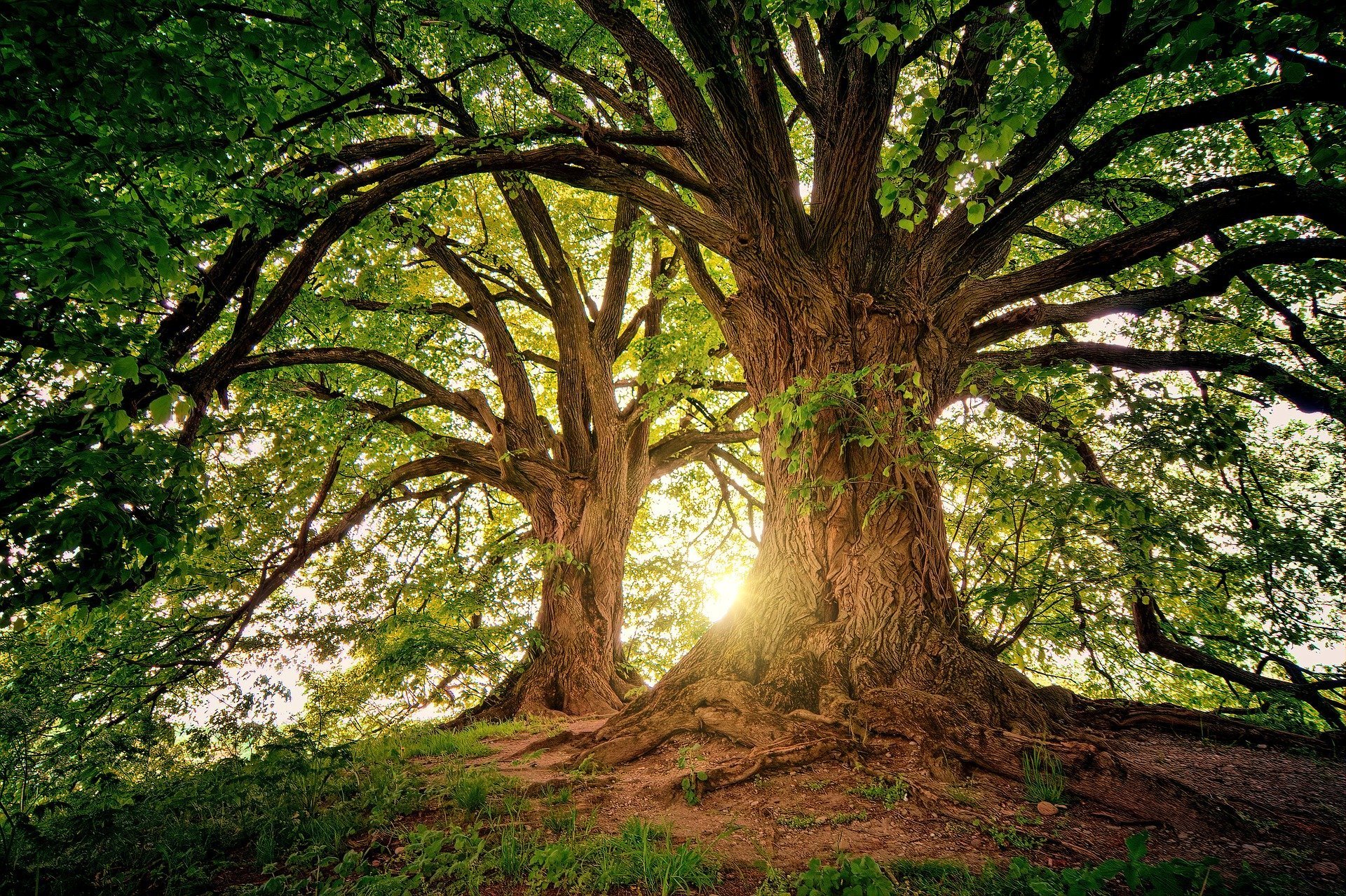
Trees, those noble old stagers, stand as sentinels of stillness in a world that moves far too quickly. Taoist masters, wise to the gentle genius of these towering plants, observed something we might easily miss in our bustle: trees do more than loom over us and make oxygen – they are master alchemists of the natural world, siphoning the murk of carbon dioxide, and what they give us back is fresh breath, boundless green goodness.
But that’s just their day job. Trees, rooted deep in the gritty, dark muscle of the earth, have a way of transmuting energies beyond the mere physical. Absorbing all that’s heavy and dense in their surroundings, they breathe it in, stretch toward the heavens, and release something finer, something brighter. The deeper their roots sink into the soil, the more they seem to reach for that invisible ceiling, that lofty canopy where Heaven meets Earth.
All the while, they turn sunlight into nourishment, a quiet feast for their chlorophyll-packed cells. Yes, water and earth minerals may keep them standing, but it’s the light that truly feeds them. And perhaps it’s that relentless stretching towards the sun, that slow, enduring reach, that grants trees their timelessness.
They are built to last, content to linger, patiently wise in a way we’ve long forgotten.
Trees have no muscles to pump or nerves to tingle – its vascular system, a fine web of capillaries running from root to leaf, does all the heavy lifting without the slightest twitch. Water and minerals are drawn up from the earth, carried from the roots to the leaves like a long, stately procession.
In return, photosynthesised sustenance trickles down, distributed to every woody nook and cranny, all orchestrated not by nerves but by what’s known as turgor pressure.
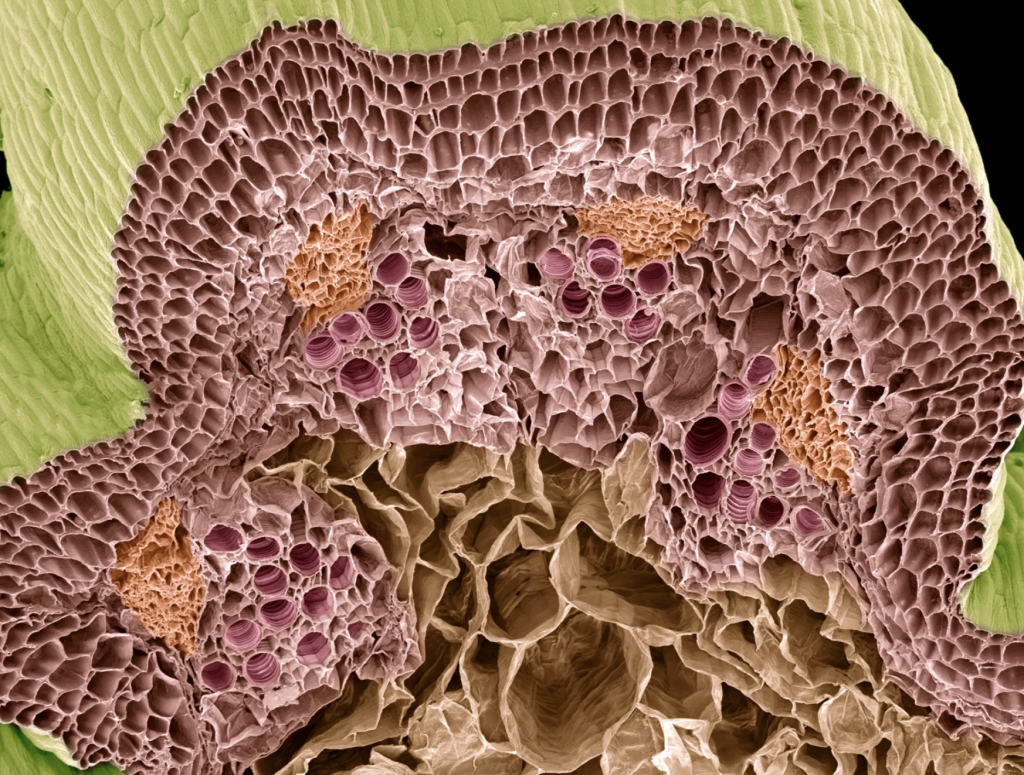
This delicate, unfailing exchange is powered by nothing more than the subtle opening and closing of leaf pores, or stomata, those small gates in the leaves that calibrate pressure with impeccable precision.
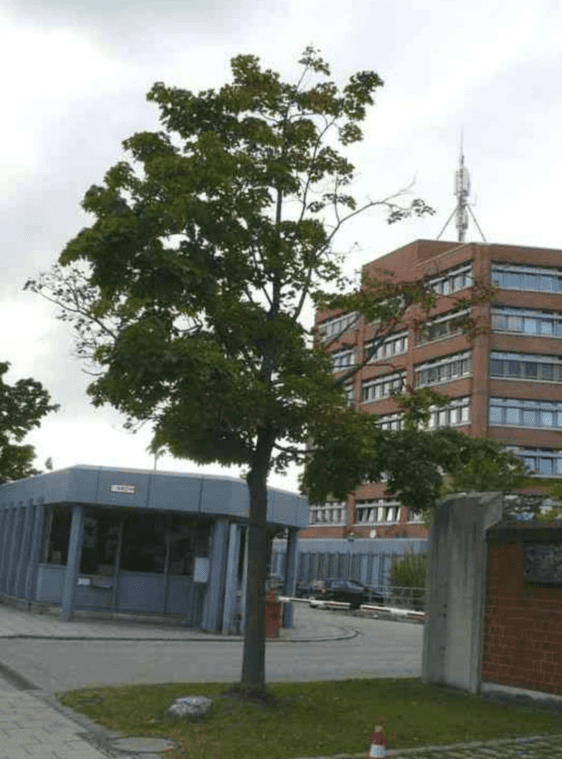
But now, enter the bright new horror of the modern age: the incessant hum of microwaves, the kind belching from our communications towers and mobile devices. To a tree, all this radiation is a barrage, an unseen siege. For red oak, cherry, black poplar, and all their kin, this invisible assault strips away their immune defences.
Trees were designed to soak up a tolerable amount of radiation from the sun, to harness its warmth and light; microwaves, however, are hostile invaders, disorienting waves that trees cannot bear nor convert. Expose a tree to enough of this low-level radiation, and the fortress starts to crumble: its immune system collapses, and bacteria seize their chance, creeping in to a feast on the rot
In school science labs, children test the effects of cell phones on humble watercress, watching in horror as these little green leaves struggle under the same radiation that our city trees endure on a much larger scale.
It’s a losing game for trees – slowly but surely, our signals are cutting them down. And now, with the relentless ascent of 5G, the trees find themselves in the way, inconvenient obstacles to our connected, streamlined future.
Look and listen around you. The spring song birds are less frequent, our cherry trees are dying, the pine trees are suffering and the number of bees is rapidly declining – not just from toxic agricultural sprays.
Human beings were designed for clear air, clean water, wild forests and pristine mountain ranges. In polluted environments we don’t thrive; we merely struggle to survive.
While it’s important to be in good health, what most people don’t plan for is being in good health in 25 years time. A Danish study found that people who live near green spaces and forests are healthier and live longer.
The network demands clear lines of sight, and where leafy boughs once soared, there’s now only space for towers. It’s a tragedy of progress, one leafless branch at a time.
This has to be a massive wake-up call, for us, our children and beyond.
If you Iive near or have access to a pine forest, author Raynor Winn give us some valuable information (from “Landlines”)
“Pine trees have an irreplaceable value to human lives….their true value is invisible except on very hot days where a blue haze hangs over the trees and we can see their most precious offering. The trees emit a chemical known as pinene; for the trees it emits a haze that protects them from the heat of the sun; for us it has an equally protective effect. Scientists have found that when we inhale pinene, it chemically interacts with our bodies, lowering the levels of the stress hormone, cortisol and enhancing the activity of our anti-cancer killer cells.”
Breathe!
Graeme Dinnen
ResourcesForLife.net
Two books I’d strongly recommend are available in our bookshop, under NATURE
How To Read A Tree. Tristan Gooley
The Hidden Life of Trees. Peter Wohlleben

Leave a Reply