
When it comes down to it, healthy blood is the most important indicator of overall well-being. Blood is essential – it nourishes our bodies, clears out toxins, and helps protect us from infections.
But there’s a catch: blood can’t do its job if it’s not flowing properly.
If your blood becomes thick and sluggish, that’s called viscosity, and it’s a common issue. Many people have blood that moves more like ketchup than the free-flowing, healthy blood they need. The downside? Slow-moving blood increases the risk of clots, heart attacks, and strokes.
It’s crucial to keep your blood flowing smoothly.
Free-flowing blood ensures that nutrients reach your tissues effectively. No matter how many supplements or remedies you take, they’re useless if your blood can’t transport them to where they’re needed.
In today’s world, poor nutrition often leaves our blood thick and unable to perform its vital functions properly.
Dirty blood
This conjures up images of Dickensian urchins with sooty cheeks and cholera lurking in the murky waters of the Thames. But alas, we’re not in a Victorian novel, and our villain here is a little more prosaic: toxins, bacteria, and waste products.
In the grand opera of your body, it’s the liver and kidneys that play the heroic arias, filtering out the detritus of modern life. When they falter, when they miss a note or two, chaos ensues.
The bloodstream, that once-great superhighway of life, becomes a foul canal, thick with miscreants. Left unchecked, this rogue’s gallery of nasties can lead to sepsis, that most unsavoury of conditions, or worse still, organ failure – an utter debacle for the whole system.
The symptoms? Oh, they’re as charming as a hangover on a Monday: fatigue, skin that looks like it’s been exiled from the glow of health, a body that can’t fight off even the most lackadaisical of microbes. And if left to fester, it can all spiral into something quite life-threatening.
Condisider what we write and you might just avoid a fate worse than death: the creeping sludge of toxic buildup.
Doctors often prescribe blood thinners, or anti-coagulants, to address this issue. But while they may prevent clots, they also come with serious risks – like excessive internal bleeding, the most common drug-related emergency in hospitals.
Doctors often prescribe blood thinners, or anti-coagulants, to address this issue. But while they may prevent clots, they also come with serious risks – like excessive internal bleeding, the most common drug-related emergency in hospitals.
Unfortunately, it’s not something your doctor is likely to mention.
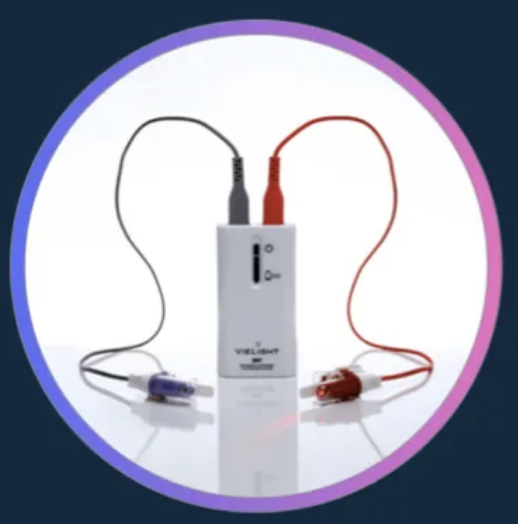
The light at the end of the tunnel? There’s a more innovative and safer way to improve blood flow: red laser light therapy. Specifically, shining red light up the nose!
Odd as this may sound, it works!
The nasal passages are rich with blood vessels, even more so than the brain. By using this targeted light therapy, blood flow improves, inflammation reduces, and a host of other beneficial biological bonuses occur.
20 minutes of this therapy a couple of times a week can lead to noticeable improvements in blood health/

Open this site and scroll down until you see the three MIP models. We all appreciate deals – save yourself 10% by using the code RFLBIO as you checkout.
Graeme Dinnen
ResourcesForlife.net
Leave a Reply