
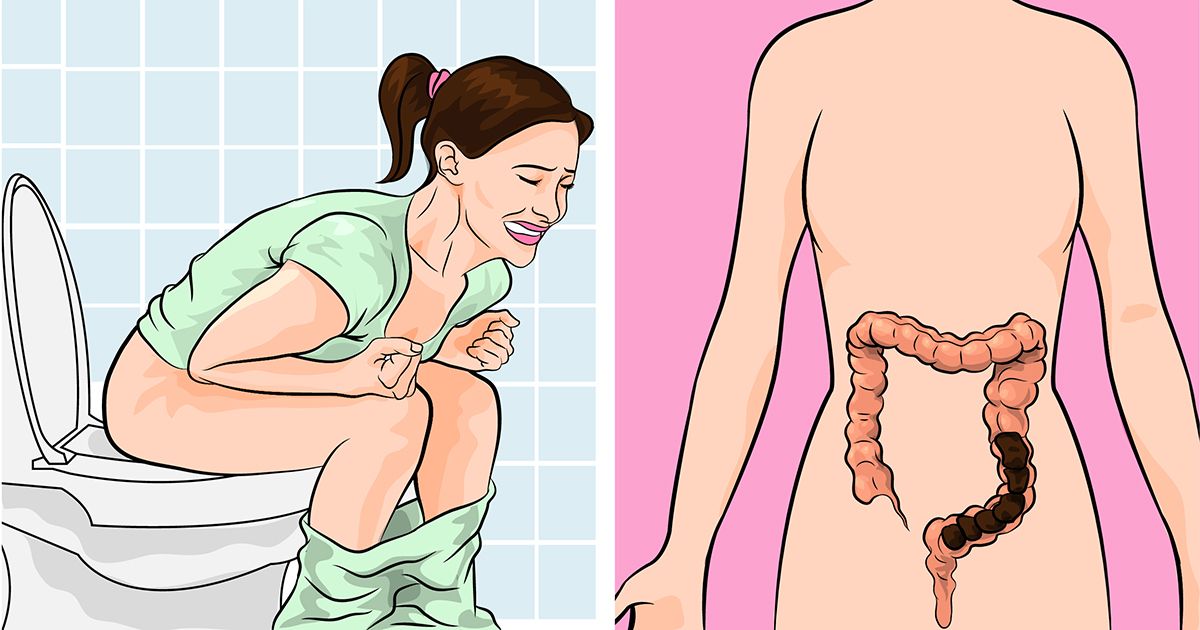
Constipation, that most English of afflictions: stoic, silent, hidden under the doily of polite conversation.
It’s one of the great unspoken epidemics of our age, afflicting up to a fifth of adults and, like so much in modern medicine, most often diagnosed as “idiopathic,” which is doctor-speak for we haven’t the faintest idea.
The truly absurd thing is that in America alone, 92,000 people a year are carted off to hospital because they can’t go to the lavatory.
One point three million emergency visits, all for a missing bowel movement. Imagine turning up at A&E, clutching your abdomen, to be triaged alongside heart attacks and road accidents, only to confess you haven’t opened your bowels since Liz Truss took office.
Doctors, in their infinite wisdom, tend to send the bunged-up for colonoscopies, which is a bit like calling the fire brigade to replace a lightbulb.
Studies find the procedure detects virtually nothing sinister when constipation is the sole complaint, yet half the patients still get scoped. Meanwhile, few ever mention their condition to doctors at all; bowels, like politics and money, being impolite dinner talk.
When people do summon the courage, it’s often those convinced their fate is out of their hands, ironically, the very patients least likely to follow treatment.
The effects are rarely lethal but frequently miserable. Hemorrhoids, fissures, prolapses, there’s a veritable catalogue of indignities awaiting the straining. The more esoteric claims involve microbiomes gone rogue, “toxic stools,” and the electrics of the body going haywire until blessed relief is achieved, often leaving sufferers lightheaded with post-defecatory euphoria.
I suspect religion was invented by a particularly constipated prophet on a good day.
Causes? Almost anything you like. Dairy, gluten, antidepressants, antihistamines, iron tablets, a sedentary life, or simply ignoring the urge when it comes.
Even our toilets are implicated: sitting rather than squatting puts a kink in the works. The East has known this for centuries, but in the West we mistook porcelain thrones for progress.
So therapists prod the spine, jiggle the sacrum, shine red lights on the solar plexus, and call it medicine. In some cases it even works.
Then comes the probiotic cavalry: rows of smiling yoghurts, sachets, capsules, each promising microbial redemption. Some, like Activia’s celebrity bug, may actually help, though only after weeks of devotion. And like almost everything else, it relieves rather than cures.
The Colon’s Faustian Bargain: Beware of Laxatives
Laxatives, when used occasionally, are relatively harmless. But over time, they tamper with the gut’s normal machinery. They can disrupt the microbiome, dull natural function, and create the kind of dependence where the colon simply won’t move without chemical prodding. Clinicians have even reported cases where chronic laxative use left the colon so damaged that surgical removal was the only option.
MiraLAX, one of the most common remedies, brings its own problems. It contains polyethylene glycol (PEG), a substance to which more people are sensitive or allergic than is generally appreciated. Some only discovered their allergy when they collapsed in anaphylaxis during a routine colonoscopy prep; others developed neurological complications. In patients with slow bowel transit—by definition, the constipated—MiraLAX is more readily absorbed into the system, raising the risk of toxicity.
PEG, incidentally, was one of the quiet controversies of the COVID vaccines. The lipid nanoparticles in them were bound up with PEG, which meant that anyone with an undiagnosed allergy was at risk. Yet, in the prevailing dogma that “vaccines are 100% safe and effective,” even people with documented PEG-triggered anaphylaxis were denied exemptions. Some went into vaccination with paperwork proving their allergy, and were still told to roll up their sleeves.
Constipation, then, is not something to be patched over with lifelong laxatives and wishful thinking. The real work lies in finding out what is causing it. Otherwise, the condition not only lingers but worsens, becoming one of the most stubborn and miserable afflictions of old age.
Graeme Dinnen
ResourcesForLife.net

Leave a Reply