
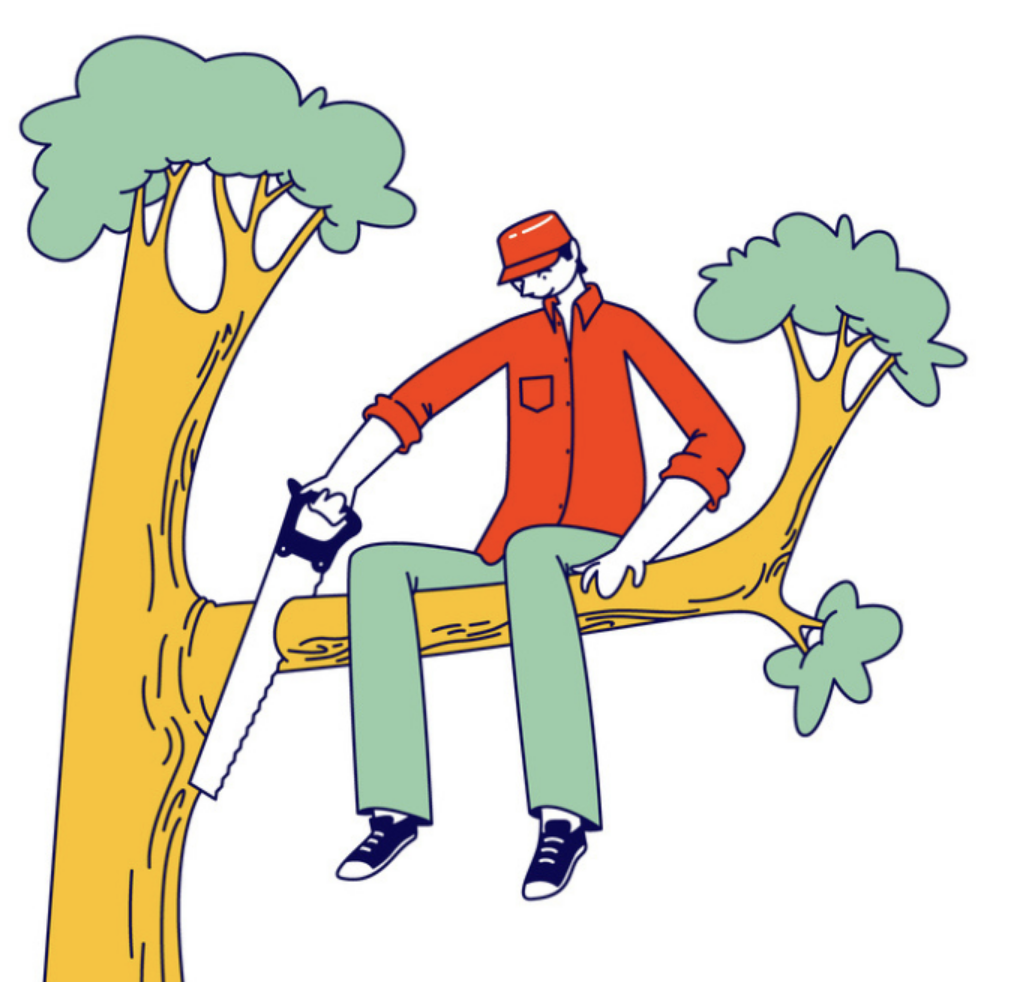
Self-sabotage is one of those dreary little phrases that sounds like it belongs in a corporate seminar or a cheap self-help book, but in reality, it’s far more insidious.
It’s the ghost at the feast, the sniper in the trench, the invisible enemy within. Most of us, at one time or another, have engaged in this peculiar act of self-destruction, deliberately and often quietly undermining our own best efforts.
At its heart, self-sabotage is a stealthy assassin, dressed up as procrastination or perhaps disguised as perfectionism. You tell yourself you’ll do it tomorrow, but tomorrow never comes. You’ll wait until everything is just right, until you’re ready – really ready – but you never are.
This isn’t laziness, though it masquerades as that too. No, it’s fear. Fear of failure, yes, but also – and here’s the twisted bit – fear of success.
You’re so afraid of what happens if you actually win, if you break through, that you set yourself up to fall flat before you even take a swing.
Take procrastination, for example, that perennial thief of time and ambition. You put off starting the project, making the phone call, going to the gym.
You say you’re waiting for the right moment, but the truth is, you’re avoiding the possibility that it might not go perfectly, that you might fall short.
Better to delay, you think, than to face the awful certainty of imperfection. In the end, of course, you only delay the inevitable failure.
And the best part? You get to blame it on time. Time – such a convenient scapegoat, always running out.
And then there’s perfectionism, the gold-plated excuse for never finishing – or worse, never starting. You set standards so high that they’re impossible to meet, and then you punish yourself for not reaching them.
Perfectionists are, of course, the world’s most miserable creatures. They don’t enjoy their achievements because the bar is always moving, and they never feel accomplished because, in their minds, nothing is ever good enough.
Perfectionism is just another kind of cowardice. If you aim for perfection, you’re doomed to fail, and that failure becomes your excuse for not trying again.
The most devious form of self-sabotage, though, is negative self-talk. That inner voice – the one that tells you you’re not good enough, not clever enough, not deserving enough.
It’s like having a mean-spirited flatmate living in your skull, constantly undermining your confidence and stoking your insecurities. You wouldn’t tolerate this from someone else, but when it’s your own voice, you accept it.
Worse, you believe it. And so, you make choices – small, almost imperceptible ones – that confirm your own worst suspicions about yourself. It’s insidious, like poisoning your tea one drop at a time.
And let’s not forget relationships. Self-sabotage loves to throw a hand grenade into the most promising of connections. You push people away before they have a chance to leave, because it’s better to blow up the bridge yourself than risk someone else burning it.
So you pick fights, withdraw emotionally, or simply refuse to engage – anything to avoid the terrifying vulnerability of actually letting someone in.
Self-sabotage is the saboteur who lives in your head, that smug little gremlin who whispers, “Why bother?” It’s fear disguised as laziness, doubt dressed up as reason, failure preordained by a thousand small acts of self-defeat.
The worst part is, we’re all guilty of it at some point, whether we like to admit it or not. But the truth is, if you want to change, you have to spot the saboteur…..
…..and then, with no small amount of courage, throw the little bastard out.
To spot self-sabotage, observe your behaviours…..every day. Judge them as beneficial or detrimental to your future prosperity, health and wellbeing. Do this without bias. When it comes to making your life better, it’s about progress, not perfection.
One cause of self-sabotage is through what influences you. Yes – you can be influenced to believe things that were not of your own making.
Those who claim to be ‘influencers’ use their online presence, typically on social media platforms, to engage audiences by sharing content related to lifestyle, products, or personal interests. They build trust and influence followers’ opinions and decisions, often promoting brands, trends, or causes.
The question I ask is: “How easily can the influencers be influenced?”
Last week I received an email from Jason Christoff, a man of many talents and experiences. My question is answered in his short video. Well worth watching.

You were born for more.
Graeme Dinnen
ResourcesForLife.net
Leave a Reply