
A Love Letter to Plantar Fasciitis
A fortnight ago, I performed that most middle-class of Cornish rituals: parked the car at Marks & Spencer in Truro and began the pilgrimage to the bakery that understands both the poetry of a croissant and the necessity of a proper sourdough.
The air was full of the usual small-town Saturday drama: dog on leads, charity shops opening, and the town market traders setting up.
And then, halfway there – bam. A pain in my left foot, so sudden and specific, it might’ve been a sniper’s bullet fired from the bell tower of the nearest church. Not a dull ache, nor a noble cramp. No. This was the operatic howl of some tiny, furious tendon declaring unilateral independence.
I clutched Phylipa’s shoulder so I could steady myself, thereafter walking on tiptoe like a wounded ballerina.
Then, within minutes, just as mysteriously, the pain relented. Gone. As if embarrassed by the fuss it had caused. It popped back for a quick encore five minutes later – an impish jab just to keep me humble – before vanishing entirely.
Back home, I fetched the Avazzia, that humming box of microcurrented promise, somewhere between modern medicine and the sort of device a Bond villain might keep by his bedside. I dialled it to the setting I think of as “Miracle or Misfire,” and spent a pious ten minutes zapping different areas of my sole with the solemnity of a shaman.
Did it work? I don’t know. But the pain hasn’t returned, and frankly, I don’t care to question it. I don’t demand peer-reviewed data from divine intervention. I’m just delighted the thing was there – my sleek, beeping guardian angel.
There is a very specific kind of betrayal that comes from our own feet. Not the aesthetic failure of bunions, corns, or even that horrific moment in a budget shoe shop when you try to wedge your pride into a pair of small summer espadrilles.
No, I’m talking about something altogether darker, more insidious – a dagger in the dark from your most loyal servants. Enter: plantar fasciitis. The name sounds like a charming Italian village. In truth, it’s more akin to a medieval torture device employed by particularly creative monks.
Plantar fasciitis is the scourge of the pedestrian, the nemesis of the runner, the bane of the weekend warrior and, amusingly, a disproportionately high number of middle-aged men who think hiking boots are an acceptable substitute for therapy.
It announces itself not with fanfare, but with a morning greeting so sharp and unkind it feels as though your heel is being crucified anew with every step.
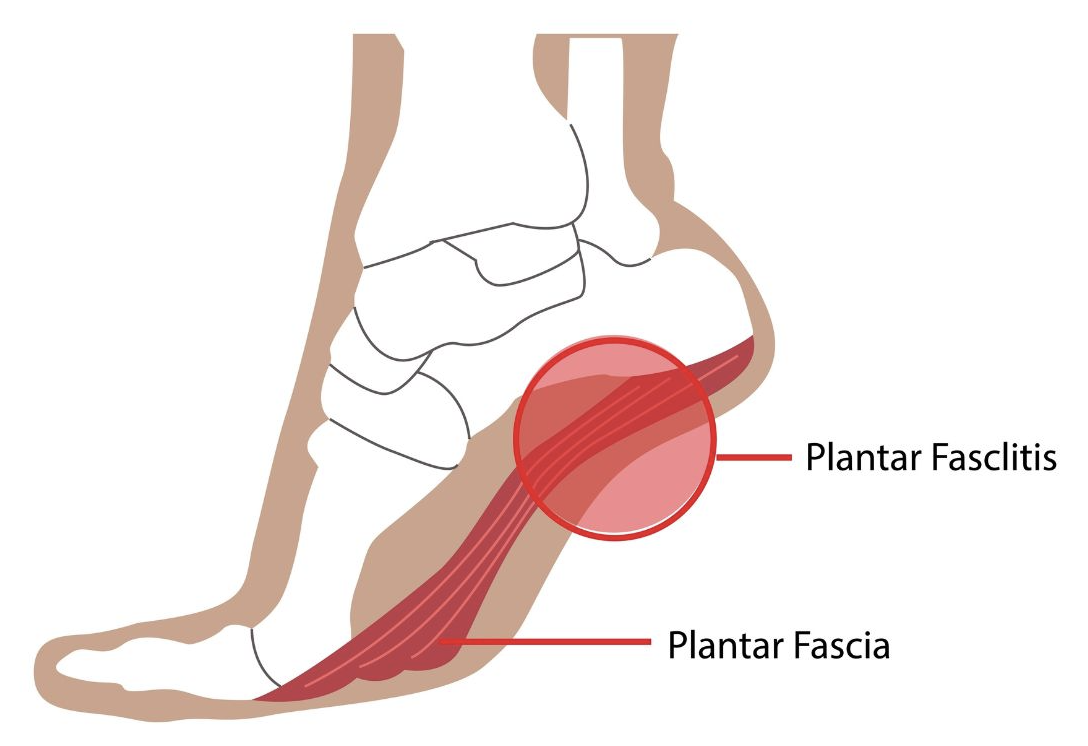
Medically, it’s the inflammation of the plantar fascia, a thick band of tissue running from your heel to your toes, presumably put there by nature to remind us that evolution is less about improvement and more about slow, inevitable punishment.
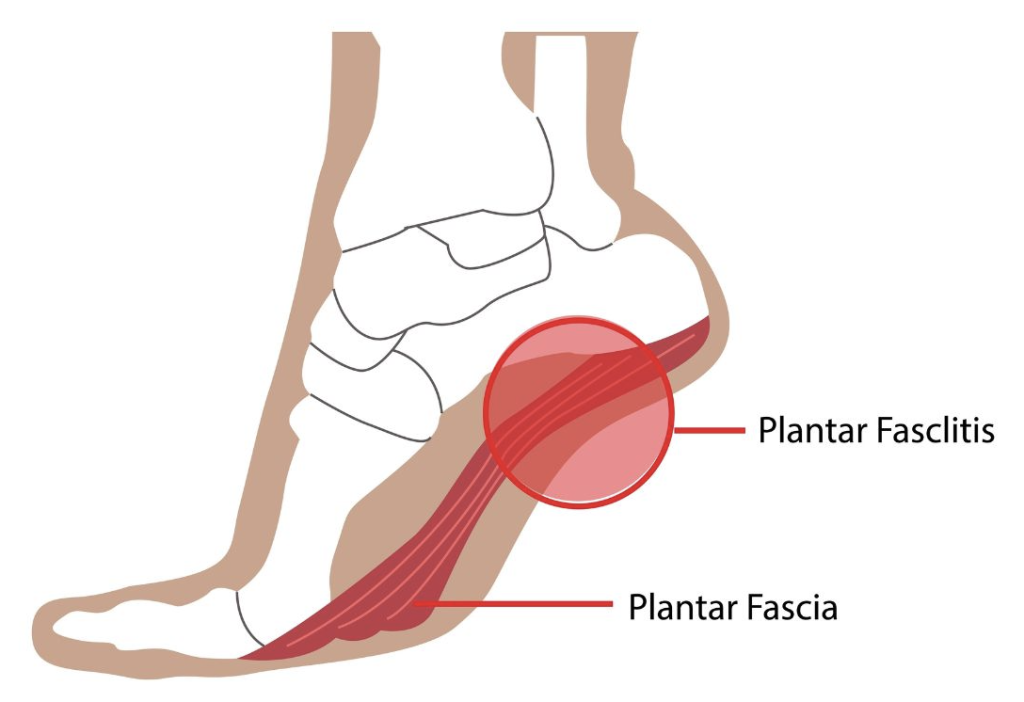
The classic signs? That first step out of bed that feels like you’ve trodden on a Lego piece made of hot coals. A dull, deep ache that intensifies the longer you sit down, taunting you with every attempt to stand again. And that delightful sensation of walking on a golf ball lodged somewhere in your arch. It is, quite simply, a misery.
Naturally, the NHS will offer you ibuprofen and a leaflet printed in 1998. The podiatrist will advise you to stretch, ice, and possibly burn incense to the gods of orthopaedics. And the internet – well, the internet will try to sell you every manner of medieval foot brace short of nailing your sole to a door.
But there are natural ways to remedy this affliction, though they require patience, discipline, and the kind of self-love usually reserved for spa retreats and overpriced quinoa bowls.
Start with the stretching. Not the sort you do once a year before your nephew’s sports day, but a daily, monk-like ritual. Calf stretches, foot flexes, and that elegant move where you roll your foot over a frozen water bottle like you’re auditioning for the Bolshoi Ballet in socks. Do it religiously. Do it while you brush your teeth. Do it on Zoom calls. Just do it.
Then there’s the matter of footwear. You must now shun the sleek and the fashionable, the dainty and the debonair. Your new companions are the orthopaedic shoes your grandmother warned you about. Arch support is your new lover. Gel inserts your constant companions. Anything with a sole flatter than your last Tinder date is to be cast out like a heretic.
Massage, too, becomes not just a luxury but a necessity. You can enlist a spiky rubber ball or, failing that, a resentful partner with knuckles like granite. Work the fascia like it owes you money.
Some evangelists swear by yoga – not just for the foot, but for the soul. Downward Dog becomes a literal metaphor for your life. And if you’re the sort who traffics in herbal tinctures, turmeric and ginger tea might help reduce the inflammation – if only by giving you something to sip smugly while limping to the kitchen.
The good news? It does get better. Eventually. The body, in its grudging wisdom, learns to repair. The heel stops howling like a Dickensian orphan. And one day, you’ll walk barefoot across your bedroom floor without sobbing or swearing vengeance on your podiatrist.
Until then, remember this: plantar fasciitis may rob you of your morning joy, your running club, and your dignity in airports – but it will also teach you something rare and valuable. How to slow down. How to listen to your body. And how to treat your feet not as mere transport, but as the intricate masterpieces they are.
And for that, perhaps, we should thank it.
Perhaps.
Graeme Dinnen
ResourcesForLife.net
Leave a Reply