Few subjects empty a room faster than dentistry. Mention gums at a dinner party and you’ll find yourself talking to the cheese board before you’ve finished the sentence.
Which is curious, because we spend an extraordinary amount of time worrying about what goes into our mouths, while paying remarkably little attention to the thing doing the receiving.
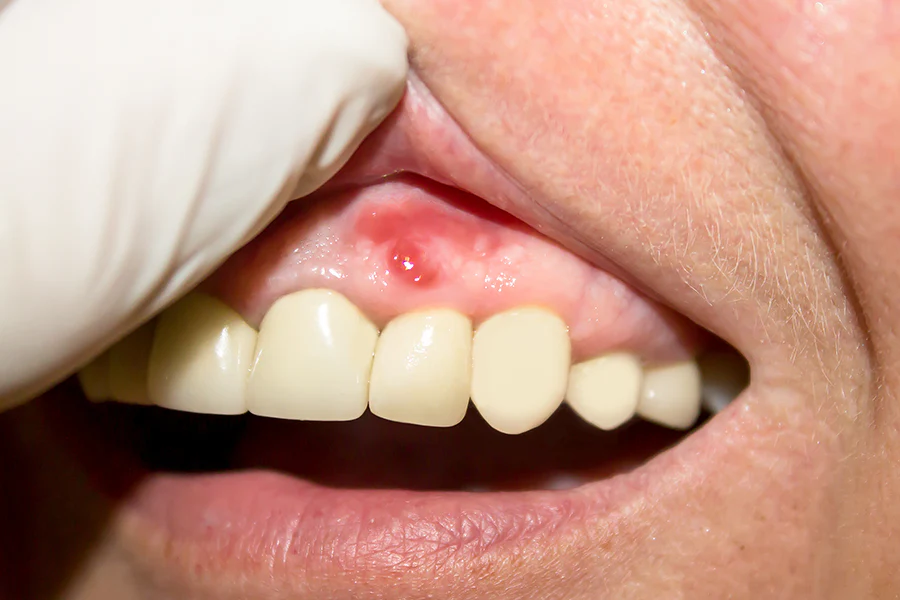
Most people have no idea how much damage can quietly accumulate beneath an apparently respectable smile. Teeth are polished, breath is disguised with minty chemical warfare, and the gums are left to wage their own losing battle. It’s only when something begins to wobble, bleed or ache that we suddenly discover an urgent interest in oral health.
Not you, of course. You’re still reading.
A few years ago I stumbled across an online seminar called Functional Oral Health Summit: Say Ahh! It’s not a title that sets the pulse racing. Nobody ever cancelled Wimbledon to stay home for something called Say Ahh!.
Yet behind the dreary branding is some remarkably compelling information about what happens when periodontal (gum) disease is allowed to settle in for the long haul.
Gum disease is one of the commonest chronic health conditions on the planet, largely because it is both slow and polite. It doesn’t announce itself with fireworks. It simply gets on with dismantling things while we congratulate ourselves on brushing twice a day.
The full presentation lasts 58 minutes. That’s a serious commitment in an age when people complain if a video exceeds ninety seconds. If time is tight, start with operating room nurse Jeanne Dockins between 29:20 and 32:05.
In those few minutes you’ll also hear Dr David Verity explain why elective surgery should never be undertaken while periodontal disease is active.
It’s an uncomfortable thought, considering that in the United States up to half of surgical patients are believed to have periodontal disease before entering hospital.
Watch the whole presentation when you can. Not because it promises miracle cures or fashionable wellness jargon, but because it forces you to reconsider the mouth as something rather more significant than a convenient holder for teeth.
The discussion also explores possible links between periodontal disease, sleep apnoea and certain cancers – areas that continue to be actively researched and debated.
Your mouth is less a pristine showroom than a densely populated city. Around 700 species of bacteria live there, alongside fungi, viruses and the occasional unwelcome parasite.
Some residents are industrious citizens; others are little more than organised criminals waiting for an opportunity. Health depends not on sterility but on maintaining order. Once the balance shifts, trouble rarely confines itself to the mouth.
The old idea that dentists deal only with fillings while doctors deal with everything else has always been an artificial division. The mouth is the front door to the body, and it leaves clues everywhere.
What Doctors Don’t Tell You once described several striking cases from the records of a British holistic dentist. In one, a patient presented with severe toothache, only to be told the problem wou,d be resolved after a colonic irrigation. In another, treatment involving the alignment of a tooth appeared to coincide with relief from a persistent hamstring injury.
Whether or not you accept every conclusion drawn from such cases, they illustrate a broader principle that medicine has increasingly recognised: the body is a connected system, and symptoms do not always originate where they announce themselves.
Inside your mouth are teeth, gums, tongue, cheeks, tonsils, salivary glands, muscles, bone and that curious little uvula hanging like an afterthought. Sharing the space are billions of microscopic organisms engaged in a perpetual negotiation for territory.
Good health isn’t achieved by declaring war on every bacterium. It’s achieved by keeping the ecosystem in balance.
Ignore it, and your mouth won’t be the only thing complaining.
So next time you clean your teeth, keep at it for longer than you spend in the shower.
Dental sayings:
• You don’t have to clean all your teeth – only the ones you want to keep.
• The toothbrush doesn’t remove six months of tartar 30 minutes before your dental appointment!
• Dentistry is not expensive, neglect is.
Graeme Dinnen
ResourcesForLife.net
PS You’ll find this and many other important aspects of dental health explained in a clear and accessible way throughout the book.
People often imagine science as a straight path: each discovery bringing us steadily closer to the truth.
Alzheimer’s disease has never followed that path. Instead, its history looks more like a long debate, one that has gone on for decades without clear agreement.
This story begins in 1901 with a German doctor, Alois Alzheimer, who examined the brain of a woman named Auguste Deter after her death. She was the first person to walk down memory loss lane as we know it today.
He wanted to understand what had caused her severe confusion.
By 1905, the disease had been named after him. Researchers noticed unusual clumps of protein in the brain, later called amyloid plaques.
These plaques became the centre of Alzheimer’s research. Scientists developed the “amyloid hypothesis”: the idea that amyloid plaques are the main cause of the disease.
The theory seemed logical and attracted enormous funding. Governments, including the National Institutes of Health, invested billions of dollars in treatments designed to remove amyloid from the brain.
Despite this investment, Alzheimer’s remained difficult to treat.
Some newer drugs, including monoclonal antibodies that target amyloid, can reduce plaque levels in the brain. However, their effects on memory and daily functioning have been, at best, modest, and some can cause serious side effects such as brain swelling and small brain bleeds.
In 2003, French neuroscientist Sylvain Lesné declared that his research pinpointed amyloid plaque as the cause of Alzheimers. In 2022, they found his highly influential research to be fraudulent – investigators reported image irregularities in his published papers. But he got away with it for years and diverted genuine research in the wrong direction.
Meanwhile the National Institutes of Health hd been duped into spending $300 million dollars a year to attack amyloid plaque. Today, pharma continues to produce medicines that they know don’t provide any real benefit but are happy to accept healthy annual subsidies.
The Alzheimer’s story is beginning to look less like a triumphal march of science and more like one of those expensive expeditions that discovers, several billion pounds later, that it may have been reading the map upside down.
The unsettling possibility is not fraud or conspiracy, but that an entire orthodoxy grew fat on evidence that was partial, shaky and simply too eagerly embraced.
Science, gloriously, is built to correct itself. Less gloriously, it often does so at the speed of continental drift, particularly when careers, reputations and fortunes have been invested in the prevailing wisdom.
Researchers are now asking a more awkward question: why does amyloid accumulate at all? A growing number suspect it may not be the villain of the piece, but part of the brain’s emergency services – a biochemical paramedic rushing to sites of injury, inflammation or even infection.
Amyloid, in this telling, may be less the arsonist than the fire brigade.
Meanwhile, the unglamorous business of living well still matters. Sleep appears to help the brain clear away its metabolic rubbish, while exercise is associated with sharper cognition and may even encourage the growth of new brain cells.
Alzheimer’s resists simple explanations. The real failing may have been intellectual overconfidence: a field so enamoured of a single theory that it stopped looking over its shoulder.
Natural health author and researcher Patrick Holford (BSc in experimental psychology), attended a conference on mental health at which he presented papers evidencing the causes outside the theatre of amyloid plaque. His research was ignored, his question to the panel went unanswered and he wasn’t invited back the following year.
Cognitive Reserve
As for reducing dementia risk, one important concept is cognitive reserve. This refers to the brain’s ability to cope with damage by using alternative neural pathways.
But the brain is fundamentally lazy. Once it masters a task, it puts it on autopilot to save energy. ⠀ You can do a crossword or Sudoku puzzle every single morning for 10 years. But after a while, your brain isn’t actually working hard anymore. It’s just driving down a well-paved road.
The real secret to a bulletproof brain? Cognitive friction. It’s the habit of consistently doing things you are absolutely terrible at. ⠀
When you force yourself to learn a new language, pick up the piano at 50, or even just navigate a new city without GPS, our brain gets uncomfortable. It has to burn energy to build entirely new neural pathways. Even handwriting, an almost forgotten art, engages cognitive friction.
Our culture tells us that getting older means finally getting to be comfortable. But neurological comfort is a trap.
If your daily routine is perfectly predictable, your brain is slowly going to sleep. If you want to keep your mind alive until the very end, you have to drop the ego.
Embrace the frustration of being a beginner again. Every single day, give your brain a reason to wake up.
Blood Quality Means Everything
Your brain is the most energy-hungry organ in your body.
Although it represents just 2% of your body weight, it consumes an extraordinary 20–25% of all the energy you produce. Every thought, memory, decision and moment of focus depends on one thing above all else: an uninterrupted supply of blood-delivered oxygen and glucose.
Healthy blood flow is not simply important. It is fundamental to vitality, cognitive performance and healthy ageing.
Blood is your body’s crimson river of life. It nourishes every cell, removes toxins, repairs damage and defends against infection. Without efficient circulation, the brain cannot perform at its best.
Blood reaches the brain from the base upwards, and then travels from back to front. The last area to receive this supply is the prefrontal cortex, the command centre responsible for concentration, planning, judgement and decision-making.
When blood flow is less than optimal, this critical region may be among the first to feel the effects. Brain fog, poor concentration, mental fatigue and declining cognitive performance can gradually become part of everyday life.
Many people simply accept these changes as an inevitable consequence of ageing.
They are not.
Modern life places enormous demands on the brain. Stress, inflammation, poor sleep, environmental toxins and the ageing process itself can all compromise circulation and cellular energy production.
The good news is that there is something you can do.
Vielight’s technology offers a simple, non-invasive way to support healthy circulation, cellular energy production and brain function – all from the comfort of your own home.
Shining therapeutic light through the nasal passages may sound unconventional, yet the science is compelling. The nasal cavity contains an exceptionally rich network of blood vessels, providing an ideal gateway for delivering light energy to circulating blood and supporting whole-body health.
The MIP is available without prescription or referral. But compare that investment with the true cost of cognitive decline: lost independence, diminished quality of life, and the heartbreak experienced by families watching a loved one slowly fade.
The choices you make today will influence how clearly you think, how independently you live and how fully you enjoy the years ahead.
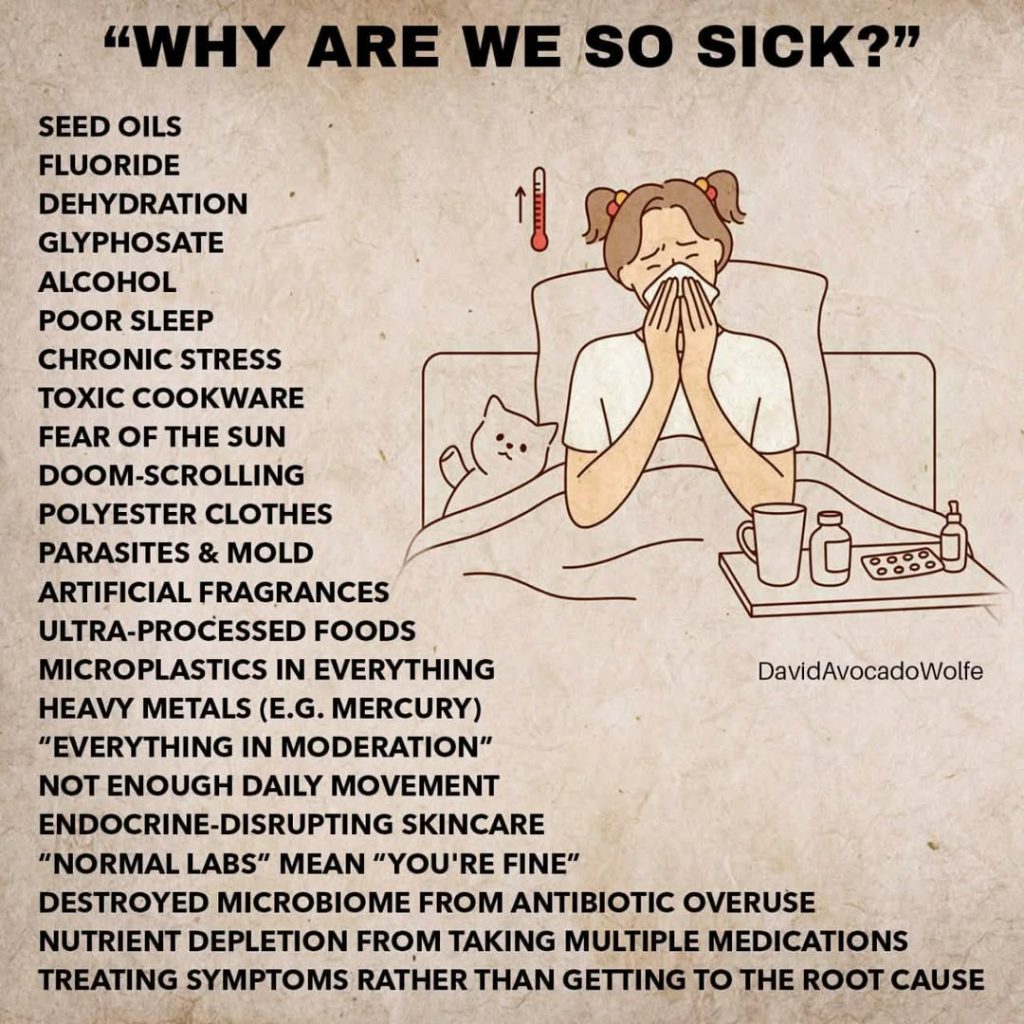
For the first time in history, we humans live under a sort of permanent atmospheric assault: underfed and overexposed, chemically pickled, nervously exhausted, electronically simmered.
The old covenant between man and his environment has been quietly revoked. Food no longer nourishes with any conviction. Water arrives carrying the ghostly residue of industry and pharmaceuticals.
The air tastes faintly of combustion and solvents. The soil, once black with mineral richness, has been strip-mined into a dead substrate propped up by synthetic fertilisers that keep crops upright but leave vitality somewhere back in the previous century.
Meanwhile the body, that absurdly optimistic sack of organs, is expected to absorb an endless drizzle of additives, pesticides, plastics, medications, heavy metals and environmental toxins, all accumulating with the efficiency of unpaid parking tickets.
And then we wonder why everyone doesn’t perform at their best.
Most people aren’t ill in the dramatic, traditional sense. They’re just running on empty. Deficient, depleted, chemically confused – like racehorses being fuelled on instant noodles.
In America, prescriptions are handed out with the casual abundance of casino loyalty cards, many commonly prescribed medications being given to patients despite the risks often outweighing the benefits.
When Medicine Becomes a Chemical Burden
In the USA, two-thirds of adults are estimated to be carrying at least one pharmaceutical chaperone, and the average citizen collects nine prescriptions a year, as though accumulating medications were some suburban hobby, like birdwatching or artisanal barbecuing.
One of the more dispiriting sights in medicine is the elderly patient arriving not so much as a person but as a rattling chemistry set, burdened by a plastic bag of pills that weighs more heavily than the ailments they were intended to treat.
The modern patient is often treated less as a human being than as a series of biochemical opportunities.
When a doctor hands you a prescription, most of us accept it with the same unquestioning faith we reserve for airline pilots and plumbers. The pill arrives in a box, the doctor wears a reassuring expression, and that is usually the end of the inquiry. Safe? Of course it’s safe. Otherwise they wouldn’t be giving it to you, would they?
But certainty, like sausage meat, becomes less appetising the closer you get to its manufacture.
How does the doctor know it’s safe? Largely because somebody from the pharmaceutical company told him so, accompanied by glossy literature, graphs marching obediently upwards, and references to clinical trials whose conclusions appear satisfyingly authoritative.
Most doctors, being busy and human, stop there.
The awkward question is how the drug company knows. The answer, disturbingly often, is that it doesn’t. Or worse, that it knows rather more than it admits. Modern medicines pass through elaborate and expensive trials, yet the raw data underpinning those reassuring conclusions frequently remains hidden from public scrutiny.
The company presents the verdict; the jury is never shown the evidence.
Research papers are especially theatrical performances. Few readers venture beyond the executive summary, which is convenient because that is often the part most carefully polished by marketing departments.
Ghostwriters compose, sponsors influence, and eminent academics occasionally lend their names like aristocrats opening supermarkets.
Meanwhile, out in the real world, patients become the final phase of testing. A doctor may gradually notice that a surprising number of people taking a new drug are developing high blood pressure, strokes, or something equally inconvenient.
Reporting systems exist, but they are underused and underpowered.
Sometimes the truth emerges only after years of prescriptions and funerals. Vioxx remains the cautionary monument: a drug linked to tens of thousands of deaths before the full scale of its dangers became impossible to ignore. The scandal was not merely that people died. It was that somebody knew more than they said.
Take statins. I’ve repeatedly stressed that their benefits are frequently sold with the enthusiasm of a timeshare presentation. Yet, at best, five years of dutiful swallowing may purchase an extension of life measured not in months or even weeks, but in a handful of days.
Meanwhile, a substantial minority of statin users acquire unwelcome souvenirs: muscle pain, mental fog, and the unsettling sense that their medication is making them feel older rather than younger.
The absurdity of this pharmaceutical arms race was illustrated rather neatly by a 2007 study. Simply stopping the least necessary medications produced a 23 percent reduction in mortality and an 18.2 percent drop in hospital referrals.
And as always, when doctors go on strike, the death rate always plummets.
You might imagine such a result would trigger a moment of collective reflection. Instead, it disappeared beneath the relentless momentum of a medical culture that regards an empty prescription pad with the same suspicion a banker reserves for an idle pound note.
The direction of travel remains stubbornly one-way: more drugs, more combinations, more opportunities to medicate the side effects of the medications prescribed to treat the side effects of the previous medications. The patient becomes an afterthought, somewhere beneath the paperwork and pill bottles.
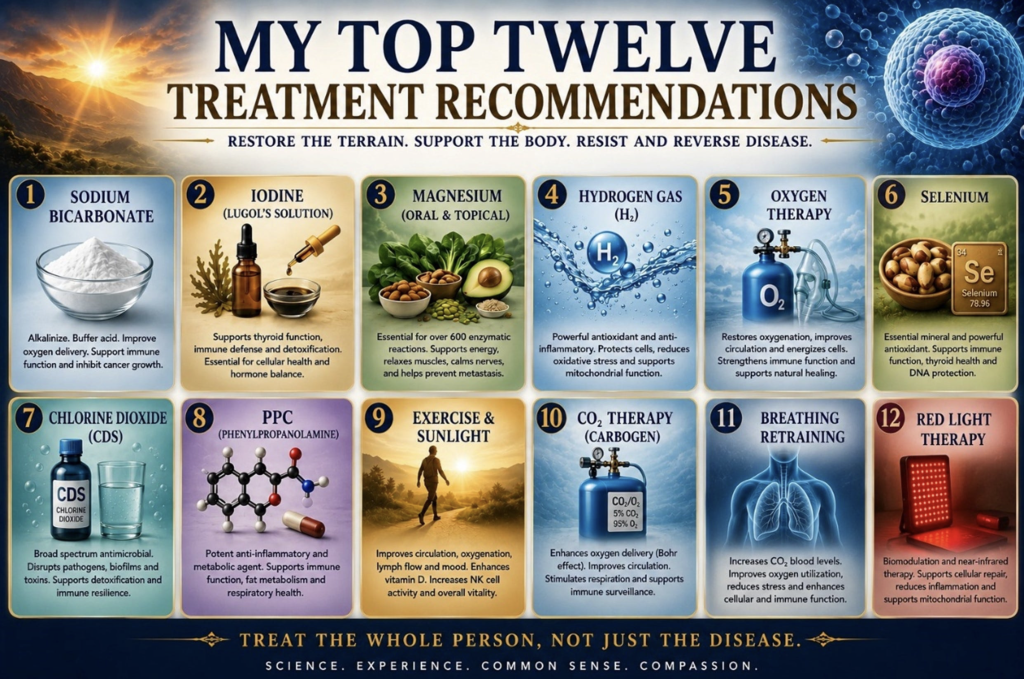
What can we do? With thanks to Dr Mark Sircus for this sensible chart.
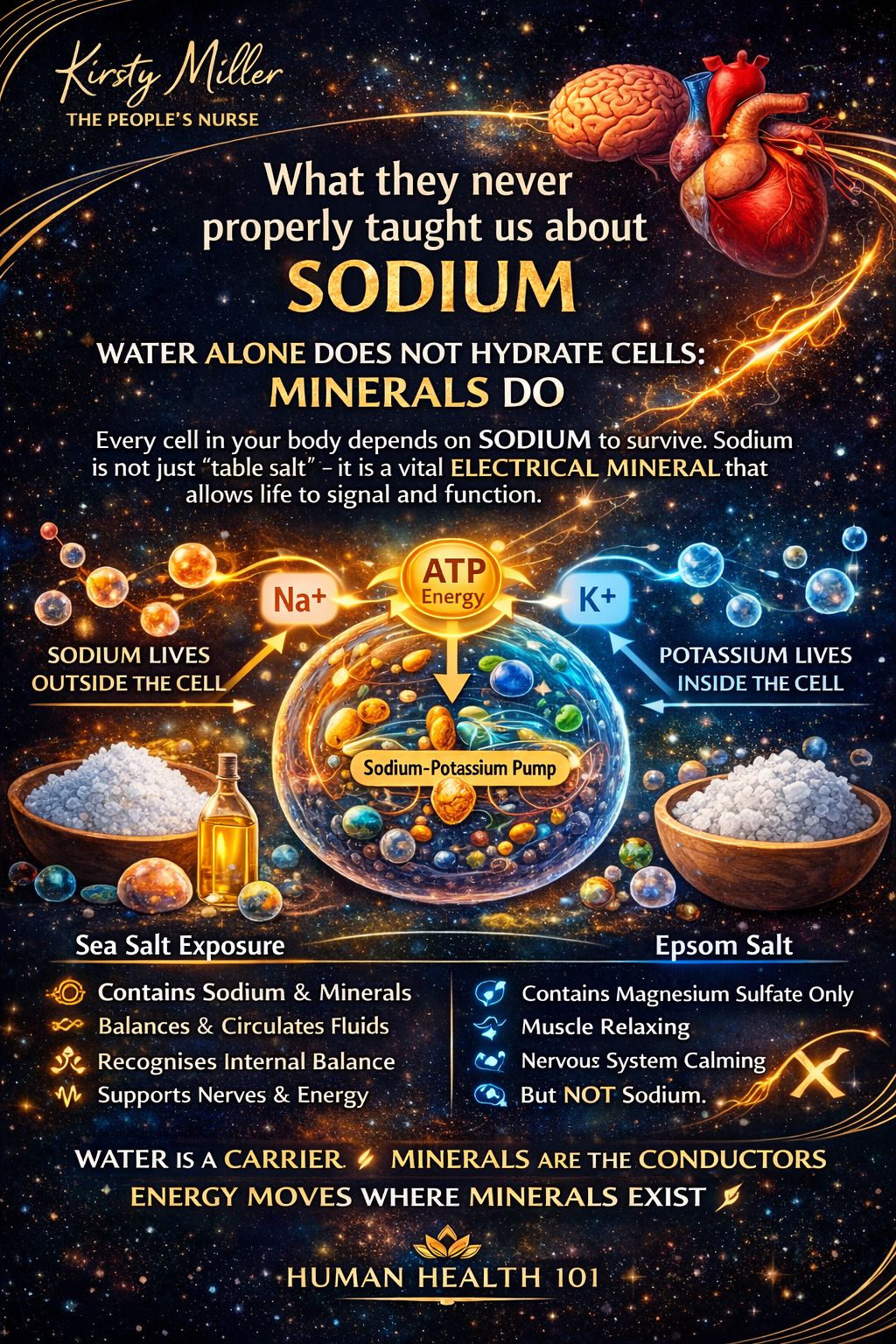
Kirsty Miller was a Nurse in the system. She says that sodium was usually the first protocol administered for every patient, yet they tell you salt is bad!
“This Is what they never properly taught us about sodium” she said.
Kirsty was trained to tell people to drink more water. She was trained to fear salt. She was trained to repeat guidelines without ever questioning the biology underneath them.
Then she started asking why people were still exhausted, dizzy, foggy, inflamed and unwell despite “doing everything right.”
Here’s the truth most people are never told
Water alone does not hydrate cells. Minerals do.
Water is the carrier. Minerals are the conductor. Energy moves where minerals exist.
Every cell in the human body depends on sodium to survive. Not as seasoning. Not as a villain. But as a primary electrical mineral that allows life to move, signal and function.
No bleached table salt, proper earth salt. Celtic Sea Salt. I hope you don’t eat table salt, because it is industrially processed.
The body isn’t dry. It’s demineralised. I’ll write it again – water is a carrier, minerals are the conductors. Energy moves where minerals exist
“I didn’t learn this from a pamphlet,” says Miller, “I learned it from watching real people suffer while being told they were “fine.” I learned it by stepping outside the system and actually following the physiology. I learnt it by questioning everything I was taught and discovering pathways to independent healthier life choices.”
Mineralisation is not an alternative. It is foundational biology.
You cannot think clearly, move properly, regulate your nervous system or truly hydrate your cells without adequate sodium.
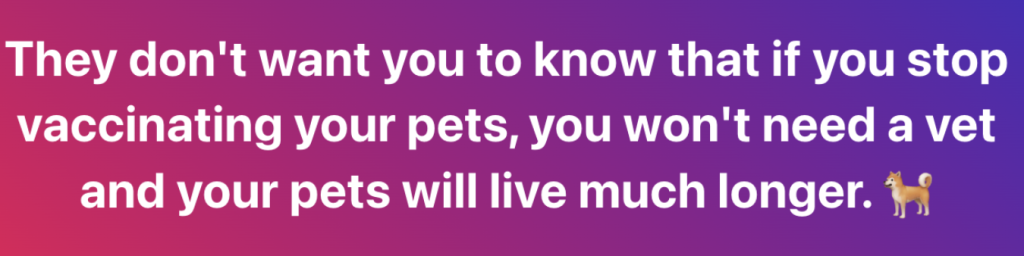
If you’ve ever felt guilty skipping a vet appointment, you need to read this.
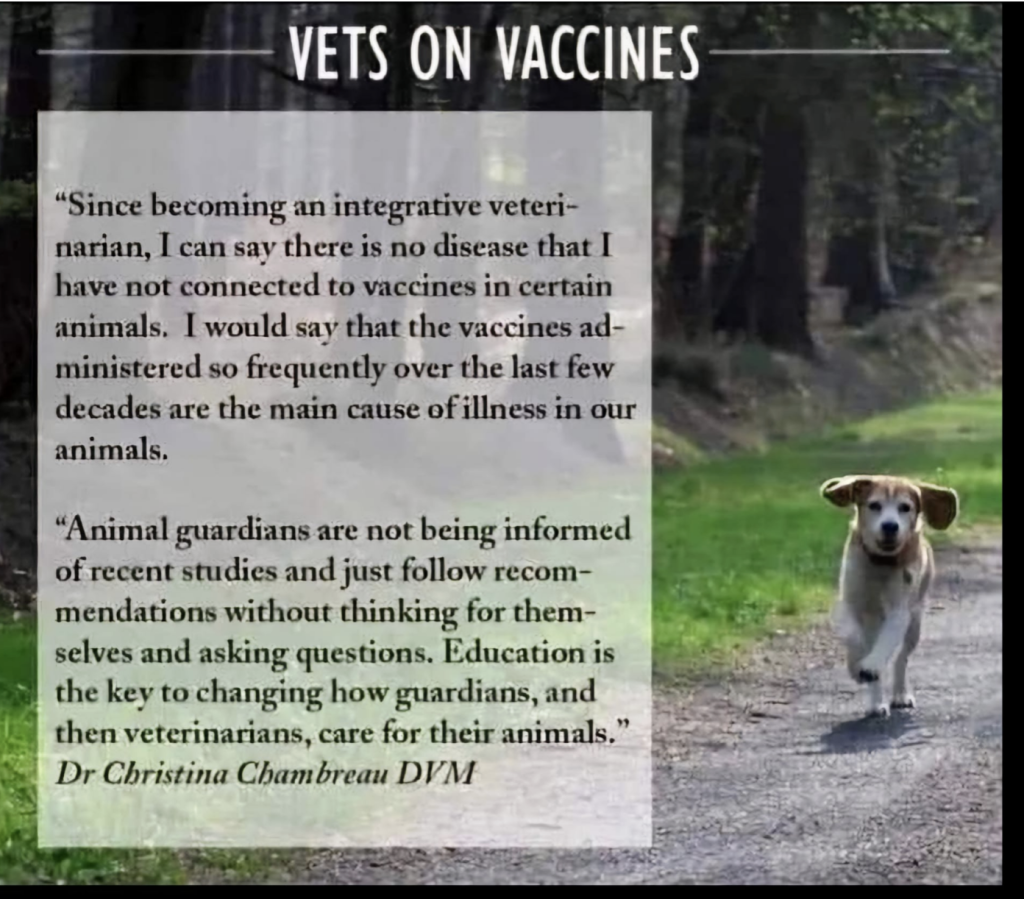
By doing annual vet visits, buying premium food, and arranging regular vaccines, you’re not doing your dog any favours. I need to tell you what a 40-year study found.
And your vet isn’t going to like it.
A woman with a clipboard and a conscience – the sort who says “interesting” when she means “oh dear” – spent forty years peering into the mortal arithmetic of dogs.
From 1980 to 2020 she tracked fifteen breeds, from the nervy aristocracy of toy poodles to the doleful stoicism of retrievers. Her hypothesis was as plump and well-groomed as a show Labrador: the most cosseted dogs, those with laminated vaccination cards, artisanal kibble, and a Christmas card from the vet, would outlive the scruffier set.
They did not.
Veterinarians HATE this 40-year study. The dogs that lived to 18? They barely saw a vet. The ones with perfect health records? Dead by 11.
The Methuselahs of the kennel – the ones shambling past 18 with cloudy eyes and the gait of an old sea captain – had barely darkened the door of a surgery. They ate the sort of food sold in sacks, missed half their boosters, and regarded antibiotics as an exotic rumour.
Ever wondered why dogs fear the vet?
Here’s why: The over-vaccinated dogs developed autoimmune disorders – their immune systems started attacking their own bodies. The premium grain-free diets? Linked to heart disease. Annual vet visits meant annual antibiotics for every little sniffle, destroying their gut microbiome.
The neglected dogs, by contrast, were not so much mistreated as unmanicured. They met the world without a chaperone. Their immune systems were obliged to practise. They fought things off. They got dirty. They healed.
In immunological terms, they trained. In lifestyle terms, they lived.
Veterinary immunologists, poring over quantities of data, described the mechanism plainly: mammalian immune systems require exposure. Constant pharmacological interference can induce a kind of physiological dependency.
If the body is perpetually supplemented, it may reduce its own production. Miss a booster and the system, having been cosseted into complacency, falters. The rough-and-ready dogs, the ones raised without a medical chaperone, developed broad, resilient responses that endured.
This is the part that makes the industry bristle like a cat in a bath. Modern veterinary practice is built on annual visits, booster schedules, prescription diets, preventative everything. It is not villainy so much as structure: clinics have rents, staff, and machines that go ping.
A dog that requires nothing beyond a yearly pat on the head is a charming creature but a poor client. Protocols, once established, calcify into doctrine. Doctrine becomes morality. To question it is to be accused of loving your dog insufficiently.
Thus two tribes now eye each other across the dog park.
The Devout spend $5,000 a year on premium food, supplements, and vaccines administered with the punctuality of a Swiss train network. Their dogs die at 10+.
The Laissez-Faire skip boosters, buy bulk food, and only visit the vet when something’s actually wrong. Their dogs, statistically at least, amble into their late teens, grey-muzzled and faintly astonished to still be here.
Both love their dogs. Only one is accidentally loving them to death.
The question, then, is not whether to care. It is what care means. Is it relentless intervention, a war on every microbe and molecule? Or is it the confidence to allow a body – canine or otherwise – to encounter the world and answer it?
We have mistaken activity for virtue. We vaccinate as if stamping a passport, prescribe as if seasoning food, and buy diets with the fervour of pilgrims.
So what is killing modern dogs – neglect or care? The answer is uncomfortable: we’re so afraid of doing too little, we’ve built an industry around doing too much.
Biology is not impressed by expenditure. It rewards resilience, not receipts.
Your vet won’t tell you this. But the data just did.
Graeme Dinnen
ResourcesForLife.net
PS. A few necessary words of legal-speak before the pitchforks and solicitors are summoned.
This article is intended as information, not instruction; conversation, not prescription. I am not a veterinarian, nor do I play one on the internet. The pages that follow represent a collection of research by qualified vets, books, studies and opinions that readers may find interesting enough to discuss with other professionals or practitioners.
Before acting on anything contained here, examine the evidence yourself, and speak to your vet. Your dog deserves more than the medical equivalent of a comment section.
Nothing in this article should be taken as veterinary advice. Any decisions regarding the health, treatment or vaccination of an animal should be made in consultation with a suitably qualified veterinarian.
This is my opinion and what I would do if I had a dog. I accept no responsibility for any injury, illness, loss, damage or other misfortune suffered by any person or animal as a result of relying on, misunderstanding, enthusiastically embracing, or otherwise acting upon anything contained in this article.
When I was 10 years old, at a boarding school in Scotland, we’d have letter-writing on Sundays. You know those letters to parents that usually started “Dear Mum and Dad, Hi. How’s the weather? Hope you are well”
We even had handwriting competitions. I never won.
30 years ago, I was invited to join the Hong Kong office of a blue-blooded London merchant bank. Part of the recruitment process was a handwriting analysis. My handwriting revealed that I was under a considerable amount of stress.
My new management knew this anyway and told me that if the analysis hadn’t evidenced this, they would have been suspicious of its value. I got the job, and to celebrate, I bought myself a Montblanc pen, which I still use today
– – – – –
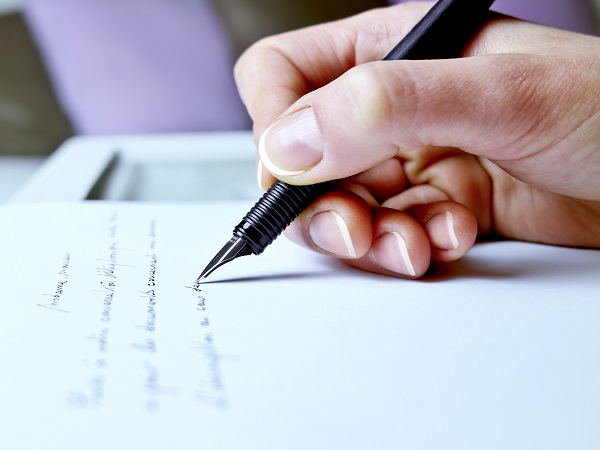
Put down your phone or laptop. Step away from the glass altar of efficiency. Pick up or buy an ink pen, (not a biro) that faintly grubby relic from the age when thinking required friction.
Science, bless it, has finally caught up with common sense. Writing by hand, it turns out, makes you cleverer than typing. Not wiser, not kinder – just better at remembering things, which is often the same thing.
When pen meets paper, the brain throws a small party. Motor skills, vision, language – all turn up, sleeves rolled, ready to work. The neuroscientists call this an “encoding effect,” which sounds dull but behaves like a minor miracle.
Handwriting is muscular thinking. Each letter is made, not summoned. The brain has to negotiate shape, pressure, movement. It leaves a trail, a proper footprint, rather than a smear of pixels that vanishes the moment you look away.
Typing, by contrast, is thought-lite. The fingers tap obediently on identical keys, like trained pigeons. The brain barely breaks a sweat. It records less because it does less. Efficient, yes, but so is instant coffee, and no one pretends that’s memorable.
So when you’re planning the week, assembling the grocery list, or trying to remember what the children need for summer camp (everything, as it happens), resist the phone. Use paper. Write badly. Scribble. Cross things out.
Your brain likes a bit of resistance. It remembers effort. And it will repay you, not with notifications, but with recall.
– – – – –
Some background info:
• In 2011, Dr. Hiroshi Tanaka began following 300 people who had somehow reached their eighties without their brains deciding to pack up and leave. For eight years he watched them, expecting to discover some exotic genetic blessing or a diet involving fermented roots and mountain herbs. Instead, he found something disappointingly ordinary. Every one of them spent about fifteen minutes a day writing by hand. Not pecking at a keyboard. Not poking a screen. A pen. A piece of paper. Civilisation’s oldest operating system.
• Brain scans suggested there was more going on than nostalgia. Handwriting turns out to be a surprisingly busy occupation. It recruits motor control, spatial awareness, language, memory – whole districts of the cerebral city light up at once. Typing, by comparison, is closer to a conveyor belt. Efficient, repetitive, and only intermittently inhabited by thought. The fingers remember the movement; the brain can sometimes be excused from attending.
• Tanaka decided to test the idea. He recruited 120 adults between 65 and 75 who were beginning to notice the small indignities of memory decline. Half spent fifteen minutes a day writing by hand. The others typed. Six months later, the scribblers performed better on recall tests and processed information more quickly. The act of writing appeared to do more than record thoughts. It seemed to strengthen the machinery that stores them.
• At this point the story usually acquires a villain, and here one arrives on cue. According to later accounts, pharmaceutical executives worried that enthusiasm for non-drug interventions might be awkward for the business of selling drugs. Handwriting, after all, has the commercial disadvantage of being impossible to patent. A fountain pen is a terrible recurring revenue model. Writing didn’t just store thoughts. It reinforced the neural structure that holds them. Whether this amounted to suppression or merely corporate indifference depends on how generously one feels towards boardrooms.
• Most people regard memory loss as a sort of meteorological event: regrettable, inevitable, and best endured while waiting for someone in a white coat to invent a solution. Others take the less fashionable view that the brain resembles a muscle more than a museum piece. Leave it idle and it weakens; use it and it adapts. Fifteen minutes a day with a notebook may not confer immortality, but it is certainly cheaper than a prescription and rather more pleasant than dementia. The question is whether you prefer maintenance or repair.
– – – – –
Handwriting has become an eccentricity. We no longer write; we peck. Our thoughts arrive in the world via thumbs, autocorrected, sanitised, stripped of accent and attitude. Typing is efficient, but efficiency is rarely where the soul hangs out.
Put a pen in someone’s hand and something peculiar happens. The mind slows to the speed of the body. Thoughts, which usually career about like greyhounds on amphetamines, are forced into a dignified walk. Handwriting is stubbornly physical. It asks the wrist, the fingers, the shoulder to participate. It insists on presence. You cannot dissociate while looping an “l”.
Also, it leaves evidence. Proof that you were here, that you felt something, that you took the time to shape it into words. In an age of vanishing text and disposable thought, that may be the most therapeutic thing of all.
Let’s start with a child. He’s seven, say, soft-faced and round-bellied, eating the food his mother buys because it’s affordable and cheerful and festooned with cartoon characters that have been market-tested to within an inch of their nutritional irrelevance.
His body – this extraordinary, patient, ancient instrument of survival – is doing exactly what it was designed to do. It is fighting back. Mucus rises. Inflammation builds. A fever blooms like something organic and wise.
His mother, reasonably, is frightened.
She takes him to the doctor. The doctor examines him and delivers, in the tone of a man handing over a sealed envelope, a diagnosis.
Respiratory infection. Allergic rhinitis. Asthma. It depends which symptoms have shown up to the party that afternoon, and which billing code has been having a good week. The prescription follows with the inevitability of a second act. An antibiotic, probably. An antihistamine, possibly. A steroid, if the fates are feeling generous.
The child feels better, which is to say: his body’s very intelligent attempt to heal itself has been pharmacologically told to shut up and sit down.
The toxins that provoked the whole performance remain. The damage accumulates quietly, like sediment. Weeks later, new symptoms. The antibiotics have burned through his gut microbiome like a lit match through tissue paper, producing what will be diagnosed as irritable bowel syndrome.
The steroids have unsettled his immune regulation, so the infections keep returning, earning their own codes, their own prescriptions. The boy who walked in with a body doing something purposeful walks out a patient. A customer. Whose lifetime value to the pharmaceutical industry can be calculated, with only mild exaggeration, in hundreds of thousands of pounds.
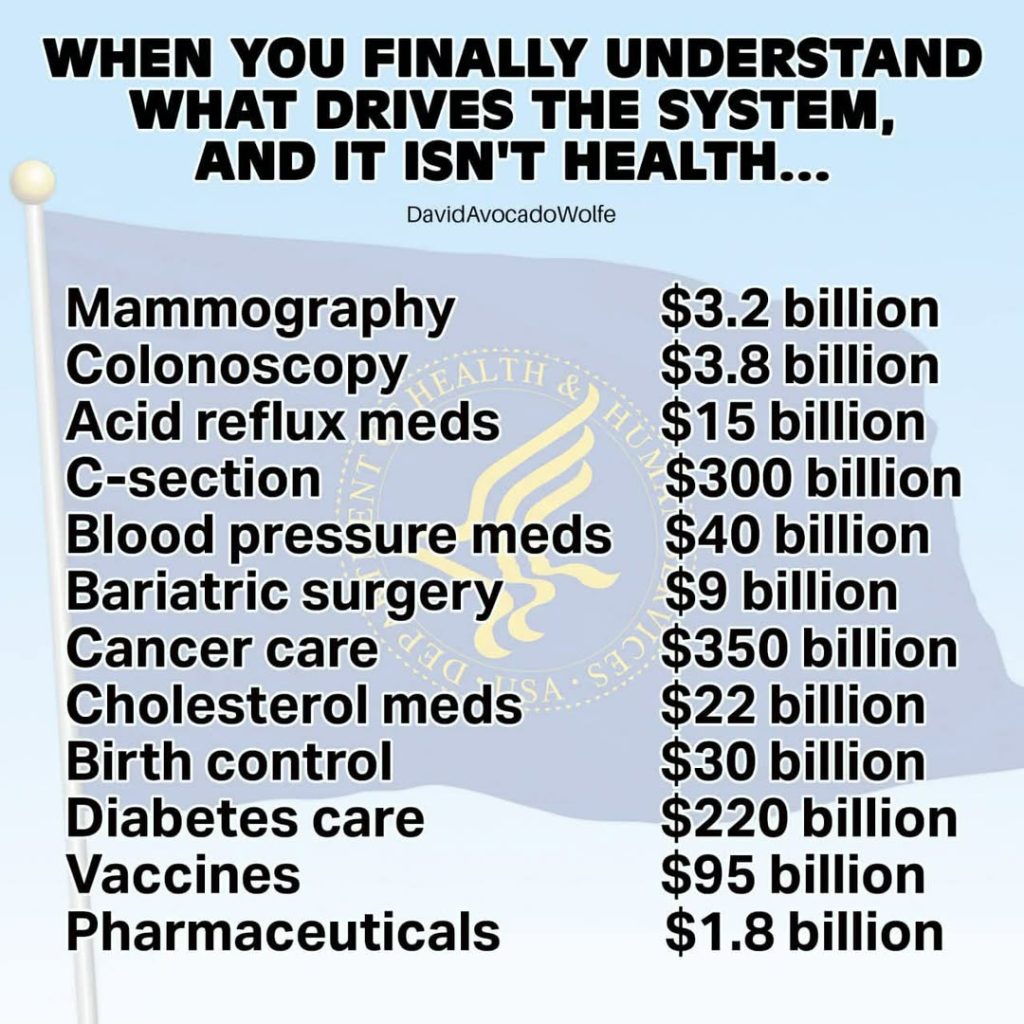
The system is not failing. The system is performing exactly as designed.
The Inversion at the Heart of Everything
Researcher and author Dawn Lester spent years asking, with the dogged politeness of someone who actually wants an answer, the question that medicine has structurally arranged itself not to hear: what actually makes people ill?
She and her co-author David Parker concluded, after exhaustive investigation, that all disease – every last shuddering, sweating, aching instance of it – arises from four categories of cause.
Four. That’s the entire list. The International Classification of Diseases, meanwhile, contains over seventy thousand diagnostic codes.
Think about that gap. Sit with it. The distance between four causes and seventy thousand named diseases is not the distance between ignorance and knowledge. It is the distance between what makes people well and what makes people money.
“The symptoms are real. The suffering is real. The framework that converts them into billing codes is something else entirely.” they write.
This is not conspiracy. It requires no secret room, no shadowy cabal meeting by candlelight to plot the ruination of public health. The food companies call it innovation. The pharmaceutical companies call it treatment. The insurers call it coverage. The doctors call it protocol. Every cog turns earnestly, professionally, compassionately even, each person within the machine believing entirely in what they do.
This is precisely what makes it so terrifying. The road to chronic illness is paved with the very best intentions and the very worst incentives.
The Triple Threat Nobody Talks About
Here is what a northern hemisphere December does to you, since nobody in a white coat is likely to say it plainly. By five o’clock the light is gone. Your vitamin D, which is less a vitamin than a hormone that talks to nearly every system in your body, has been running on fumes since October. Immune signalling goes strange.
Sleep degrades. Your defences become confused and slow-moving, like a border patrol that’s been awake for three days and isn’t sure what country it’s defending any more.
Then the sugar arrives. Mince pies, mulled wine, the biscuits in the tin that nobody bought but everyone eats. Every glucose spike is a small systemic insult. Immune cells, those tireless and undervalued workers, literally stop functioning for hours after a sugar hit. Every office party is an act of cheerful self-sabotage.
Then the air. Buildings sealed against the cold, breath recycling through recycled breath, the particular biological intimacy of a crowded corridor in January. Respiratory syncytial virus, influenza, whatever is floating around the ventilation shaft, doing very well for itself, thank you. You are one handshake from something unpleasant.
These are not separate misfortunes. They are a system. They interact, compound, amplify one another. And the solutions – actual sunlight, real food, fresh moving air – are so boringly available that there is essentially no money in them, which is why they appear on no prescription pad you will ever be handed.
What Passes for Food
I have been saying this for long enough that I have stopped expecting it to surprise anyone, and yet it still does. The majority of what lines the supermarket shelves is not food. It is a chemical formulation engineered to taste like food while doing the opposite of what food should do.
A Lancet series recently reviewed more than a hundred long-term studies on ultra-processed foods and found harm across nearly every major organ system: brain, gut, heart, metabolism, immune function.
This was not a fringe publication making a radical claim. This was the medical establishment, in its most respectable clothes, confirming what anyone paying attention already knew.
The particular wickedness of ultra-processing is that it is not undone by removing individual ingredients. Reduce the salt, cut the sugar, reformulate the fat, yet the body still knows. The damage persists because the problem is not any one component. It is the process itself. It is the industrial dismemberment of something that was once alive and coherent and the reassembly of its parts into something that mimics nutrition while systematically undermining it.
The body, given actual food – whole, seasonal, minimally interfered with – knows what to do with it. The body given a twelve-ingredient biscuit does not. It is receiving noise where it expects a signal, and it responds accordingly: with confusion, with inflammation, with the slow degradation that eventually earns a name, a code and a prescription.
Drinking Plastic with Your Breakfast
You are probably boiling water in a plastic kettle. Researchers at the University of Queensland recently conducted the experiment nobody particularly wanted the results of: they counted what comes out of a new plastic kettle on first boil.
Almost twelve million nanoparticles per millilitre. A 250ml cup of tea, that most English of comforts, that quiet daily ritual of ordinariness, contains roughly three billion plastic fragments on its maiden voyage from kettle to cup.
After a hundred and fifty boils, the figure has settled to a merely alarming eight hundred thousand particles per millilitre. Roughly two hundred million particles per cup.
These are not abstract particles. They enter tissue. They accumulate. They disrupt. The researchers are calling for consumer warnings. This is like finding your house is on fire and suggesting better labelling on the smoke detector. The fix is obvious and costs twelve pounds: a stainless steel kettle, or a glass one, bought once, and used until you are old.
“The question is not why we get sick. The question is why we are so astonished that we do.”
The Fireman’s Dilemma
Imagine a city where the fire service arrives promptly at every fire, extinguishes it efficiently, files a detailed report, and sends an invoice, but nobody investigates why the fires keep starting. Nobody walks the streets looking for faulty wiring. Nobody questions the building materials. Nobody talks to the man who owns most of the buildings, because he also funds the fire station.
The fires keep coming and the service keeps responding and the invoices keep arriving and the city is, statistically, a world leader in fire management.
This is not a loose metaphor. It is a description of modern medicine’s relationship with chronic disease. The symptoms are the fire. The body is the building. The causes – the toxic environment, the depleted food, the severed relationship with light and air and sleep – are the faulty wiring nobody is paid to inspect.
The pharmaceutical industry is not the villain in this story. It is the fire service. Efficient, well-resourced, genuinely good at what it does, which is extinguishing symptoms. It is simply not, structurally, in the business of fire prevention.
And the marvellous thing – the detail that should keep you up at night, if the sleep deprivation and the electromagnetic fields and the nanoparticles haven’t already seen to that – is that nobody involved need be evil.
The only question worth asking is whether we would like to design a different one.
Graeme Dinnen
ResourcesForLife.net
Sources and further reading: Dawn Lester & David Parker, What Really Makes You Ill? (2019); University of Queensland nanoparticle research, 2024; Lancet series on ultra-processed foods; Daniel Roytas, Can You Catch A Cold? (2025). The Unbekoming Substack, Four Causes, Seventy Thousand Diseases, January 2026.
Tools That Work With the Body, Not Against It
Which brings us, inevitably, to the gadgets, because there are always gadgets, and the interesting question is not whether to be sceptical of them but whether the scepticism is pointed in the right direction.
The devices have been certified by the European Union, Health Canada, and the FDA as safe and effective; and because they introduce no drugs or toxins to the body, there are no related side effects. This is precisely the kind of tool the system has no incentive to promote – it addresses the cause, it requires no prescription, and once you own it, you own it.
The Avazziatakes a unique approach. It is a hand-held device that uses patented Biofeedback Electro-Stimulation Technology to produce microcurrent electrical impulses that interact with the body’s nervous system – a non-pharmaceutical, non-surgical method that quickly relieves pain, reduces inflammation, and works by gently stimulating the body’s own ability to resolve discomfort rather than merely masking it.
– – – – –
The Vielight operates at the other end of the biological spectrum entirely. It delivers photobiomodulation: near-infrared light technology shown to be effective in numerous studies and clinical trials, particularly beneficial for brain wellness, cognitive enhancement, and overall systemic health.
At the cellular level, it heals damaged brain cells, improves cerebral blood circulation, reduces inflammation, and regenerates compromised neural tissue. Clinical studies have shown significant improvements in mobility, cognition, dynamic balance, and fine motor skills, with benefits lasting up to a year.
– – – – –
Into the same category belongs the Q Energy Spa, an Australian-developed hydrotherapy system that is, on first encounter, the sort of thing that makes the rigorously conventional mind reach instinctively for its scepticism, like a man patting his jacket for his phone.
Energy never tires, yet we do!
You sit. You place your feet in warm water. An Orb is placed in the water alongside them. The Orb generates a bioelectric field – a precise geometric signature, as its makers describe it – which the water converts into bio-energy that resonates with the body’s own electrical state.
This is not as eccentric as it sounds. We are, every one of us, electrical. Each cell in the body carries a charge; without it, cells cannot function at optimal capacity. The body assimilates bio-energy constantly from its environment – from food, from air, from water – and the quality of all these has been so thoroughly degraded by industrial civilisation that the body is, in many cases, simply running short.
Thirty-five minutes of warm water and the Q Orb is designed to stimulate the release of toxins, reduce inflammation, improve liver and kidney function, boost sleep, and increase vitality. What it is really doing, if the logic holds, and there is no particular reason why it shouldn’t, is providing the body with the energetic reserves to do what it has always known how to do.
The devices are used by kinesiologists, chiropractors and naturopaths around the world. They require no drugs. They have no side effects. They simply provide, in concentrated form, the kind of energetic nourishment the body has been quietly starved of by a century of concrete, fluorescent lighting, processed food, and the heroic modern achievement of spending most of one’s waking life indoors, breathing recycled air, and wondering why one feels so dreadful.
– – – – -[
None of these devices are magic. They are, rather, something rarer: they are rational. They work with the body’s own intelligence rather than overriding it. They do not generate a diagnosis. They do not require a repeat prescription. They do not, crucially, create a customer for life…..which may explain why you have never seen them advertised on the side of a bus.
Bees are furious, overworked, and holding civilisation together with borrowed time and borrowed pollen.
They’re having a difficult century. Not in the manner of Russians or smokers or middle-aged men trying to understand oat milk, but in the way tiny, industrious creatures do: quietly, catastrophically, and mostly beneath our notice – until a supermarket shelf looks barren and a punnet of strawberries costs thrice what it costs today.
We are informed, usually by people carrying clipboards made of recycled yoghurt, that without bees humanity would perish in four years. Many people think this is nonsense. Humanity would survive. We’d simply do it while eating fewer almonds and looking slightly peaky.
The bee has become the panda of the herbaceous border: an emblem of ecological guilt that urban liberals mention while poisoning an entire windowsill of basil through neglect.
Children are taught to save them, councils plant “pollinator corridors,” and somewhere in Shoreditch a man with a beard like damp moss is selling artisanal organic rooftop honey for the price of a kidney.
Yet bees themselves remain spectacularly uninterested in public relations. They are not noble creatures. They are airborne syringes with a work ethic bordering on Calvinist psychosis.
A bee spends its entire life in a state of caffeinated panic, ricocheting between flowers like a tiny unionised drone, before dying pointlessly in someone’s Pimm’s. There is something almost Japanese about them – a culture devoted entirely to duty, collective sacrifice, and incomprehensible dancing.
Why Today Matters
One in three mouthfuls of food you eat exists because a bee landed on a flower. Almonds, apples, avocados, blueberries, coffee. All of it. Without pollinators, the global food supply doesn’t decline, it collapses.
What We’ve Done to Deserve This
And what do we reward them with? Pesticides, habitat destruction, and fields so chemically enthusiastic they could strip paint off a trawler. Modern farming has transformed the countryside into a green desert: acres of monoculture stretching to the horizon, interrupted only by the occasional dead badger and a Range Rover doing under forty in a narrow lane.
Bees once enjoyed hedgerows, weeds, meadows – the sort of untidy fecundity the English countryside specialised in before we decided everything should resemble an accountant’s lawn.
Climate change hasn’t helped. Flowers bloom early, seasons progress through the calendar, and bees emerge expecting a banquet only to find the ecological equivalent of arriving at a wedding after the buffet’s been cleared. I can only imagine them hovering indignantly in the rain, muttering bee obscenities.
Of course, the real tragedy is that bees are among the few genuinely useful things left in modern civilisation. What they provide is miraculous: honey manufactured by insects with brains the size of punctuation marks. Compare that to humanity’s recent contributions – NFTs, podcast hosts, and watermelon-flavoured gin – and I feel the bees deserve a formal apology.
We’ve managed to industrialise flowers. That takes a particular kind of talent.
Still, we persist in discussing bees with the patronising sentimentality reserved for elderly Labradors. “Save the bees,” people cry, before paving over a garden to make room for a hot tub. If bees possessed irony, they would sting us all on principle.
Perhaps they should. The bee is not dying because nature is cruel. Nature is cruel as a matter of policy. Bees are dying because humans have turned the planet into an aggressively inconvenient place to be alive.
And yet they continue. Against reason, chemistry, and the full imaginative bankruptcy of modern agriculture, bees still stagger drunkenly from blossom to blossom, performing the invisible labour that keeps strawberries cheerful and humanity vaguely fed. There’s something heroic in that. Or perhaps merely tragic.
The Most Dramatic Insect in the Garden
The honey bee carries within her the most melodramatic exit strategy in the insect world. She stings once, and pays for the impertinence with her life. The sting is barbed, like some medieval fishing hook, and when she attempts to disengage from your sweaty pink flesh, she leaves behind not merely the weapon but half her internal plumbing.
Your response is to shout “Ouch!” while her abdomen is torn open, and in the sort of operatic self-sacrifice usually reserved for Wagnerian sopranos, she dies.
Other bees are less theatrical. Carpenter bees and bumble bees come equipped with smooth stingers: elegant little rapiers rather than suicidal harpoons. They can sting repeatedly without so much as mussing their velvet jackets, treating violence with the breezy professionalism of seasoned nightclub bouncers.
Worth Watching: “My Garden of a Thousand Bees”
Wildlife film-maker Martin Dohrn spent an entire summer in his Bristol garden filming its 50+ bee species in extraordinary close-up. The result is one of the most quietly compelling nature documentaries in years. If it moves you, here’s something practical you can do afterwards.
If you feel a faint moral wobble about the insect body count you’ve amassed over the years – the squashed scouts on windscreens, the rolled-up-newspaper executions, the casual domestic pogroms – here is your chance at karmic bookkeeping. Save a few bees. Plant something sticky and fragrant. Leave them to their small, drunken industry. You may even find yourself sleeping more soundly, untroubled by the ghostly buzz of accumulated apian manslaughter.
Found a Bee That Can’t Fly? You Can Save It.
The Bee Revival Kit from Just Bee Honey lets you revive a grounded or exhausted bee in minutes, and it’s half price for World Bee Day. Ships across the UK. Get the Bee Revival Kit — 50% Off . And genuinely, there is limited availability.
Here are some fun facts about these amazing insects:
• The honey bee has FIVE eyes, two large compound eyes and three smaller ocelli eyes in the centre of its head. The ocelli can detect the transition from darkness to light. They use them to detect where the horizon is.
• Bees can fly up to 20 mph
• The Queen bee lays up to 2,500 eggs a day!
• To make 1 lb. of honey, bees must collect nectar from 2,000,000 flowers!
• Honey bees do not die out over the winter. They feed on the honey they collected during the warmer months and patiently wait for spring. They form a tight cluster in their hive to keep themselves and the queen warm.
• Bees use the position of the sun to navigate. Bees’ eyes are sensitive to polarized light, which penetrates through even thick clouds, so bees are able to ‘see’ the sun in poor weather.
• Honey bees are one of science’s great mysteries because they have remained unchanged for 20 million years, even though the world has changed around them.
They need all the help we can give them.
Graeme Dinnen
ResourcesForLife.net
PS. Beekeeping 101 is the sort of summer diversion that begins as a wholesome parental fantasy and ends with the children speaking in hushed reverence about brood frames and pollen baskets while you stand in the garden dressed like a forest dweller. If your ambition is to prise them from the blue narcotic glow of screens, this will do it splendidly. Bees, unlike TikTok, are good company.
I’m not entirely sure if this’ll work for you, but use the coupon code GRAEME and with luck you’ll get 20% off.
What starts as a mild pastoral experiment soon acquires the intoxicating gravity of a minor religion. Best of all, the bees repay your meddling with jars of honey so indecently golden and fragrant that supermarket squeezy bottles begin to taste like axle grease.
And then there are the children themselves, transformed from thumb-flicking digital molluscs into wide-eyed acolytes of the hive, peering into frames with the solemn concentration usually reserved for neurosurgery or Minecraft. You may even discover that one of them develops an actual passion for it.
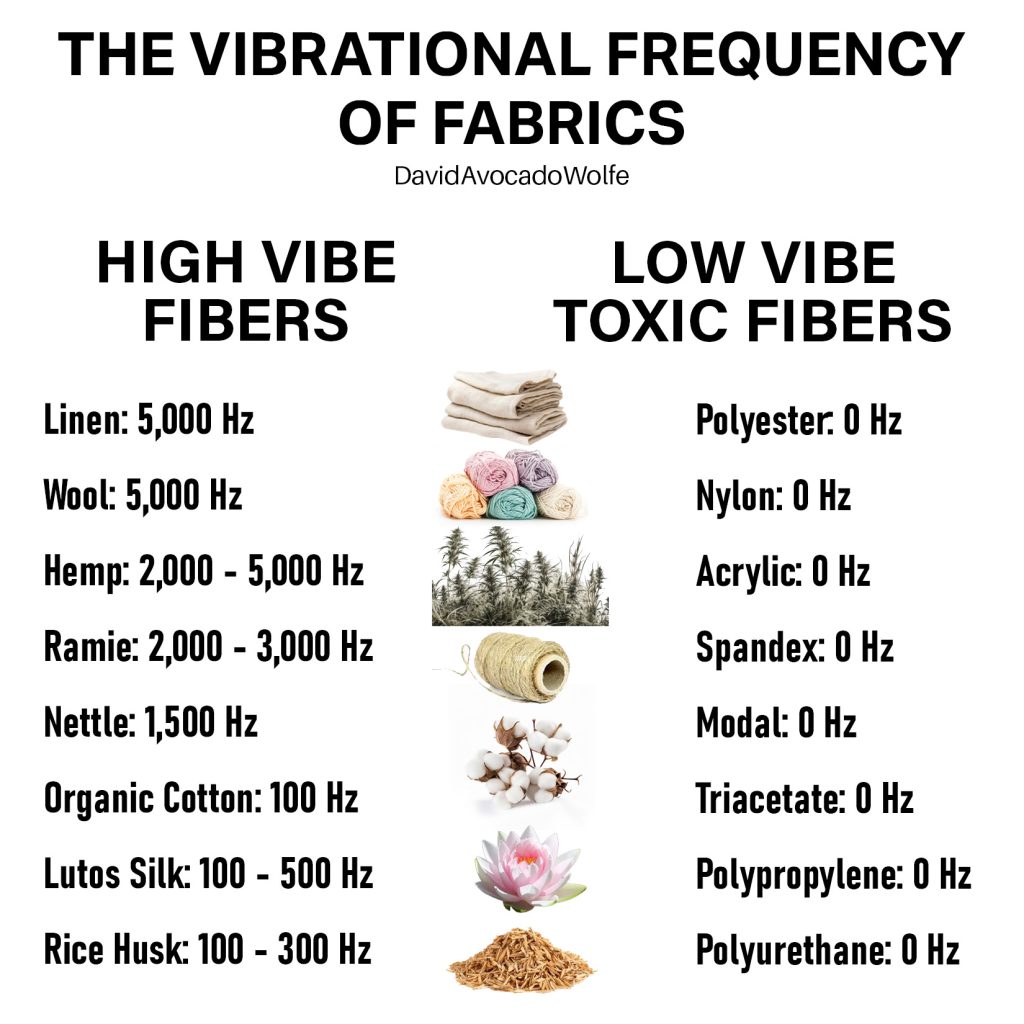
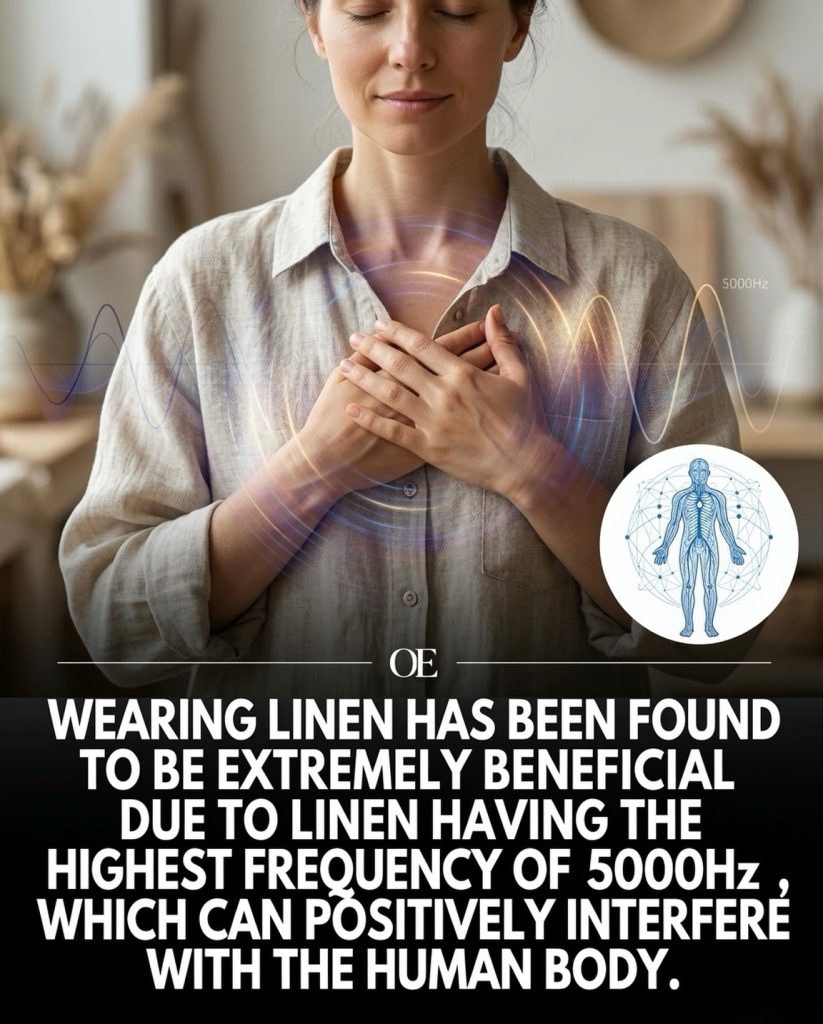
In the parlours of holistic wellness, there persists the belief that fabrics possess their own frequencies. The notion goes that every textile hums away at its own spiritual megahertz: linen and wool apparently crackle at an impressive 5,000 Hz, organic cotton murmurs somewhere near the healthy human body, while polyester skulks around at the energetic equivalent of a Wetherspoons at closing time.
This doctrine, stitched together from bioenergetics and conscious fashion, leans heavily on the work of Dr Heidi Yellen, who in 2003 produced findings now quoted with reverence in wellness circles.
According to Yellen, linen and wool elevate the body’s energy field, organic cotton keeps us spiritually tuned-up, and synthetics such as nylon and rayon sap vitality like emotional vampires in leisurewear.
Naturally, this all comes wrapped in the remnants of ancient wisdom. The biblical prohibition against mixing wool and linen (LEVITICUS 19:19. “Do not wear clothing woven of two kinds of material.”) is triumphantly wheeled out as evidence that Moses, somewhere between the commandments and the smiting, had a working grasp of textile energetics.
Some enthusiasts even claim the two fibres cancel each other out entirely when combined, producing a sort of metaphysical beige noise.
Science, these days, often told what to believe, regards the whole business with denial. Fabrics, they say, do not emit healing frequencies into the body any more than your bath towel communicates telepathically with your pancreas.
In physics, vibration refers to measurable mechanical oscillation – the dull but useful sort engineers employ to determine mass, tension and structural behaviour – not cosmic humming audible only to people who own singing bowls.
Still, the appeal is obvious. Modern life is synthetic in every sense – artificial fabrics, artificial food, artificial urgency – so the fantasy that salvation might lurk in a well-cut hemp tunic is oddly seductive. It offers the comforting illusion that wellness can be purchased not through discipline or medicine, but through superior drapery.
We know that food carries emotional and psychological energy affecting human behaviour. Quality foods uplift, comfort and energise, whereas poor quality foods drain, dull, or negatively impact mood and health.
The vibrational frequencies of clothing materials are a fascinating part of holistic health and bioenergetics, though they operate well outside of traditional empirical physics.
For some reason, cashmere is not listed above, but ask a search engine for its vibrational frequency and the figure of 5,000Hz is given. Alpaca wool, also omitted, is commonly believed to have a vibrational frequency between 5000Hz and 7,000Hz.
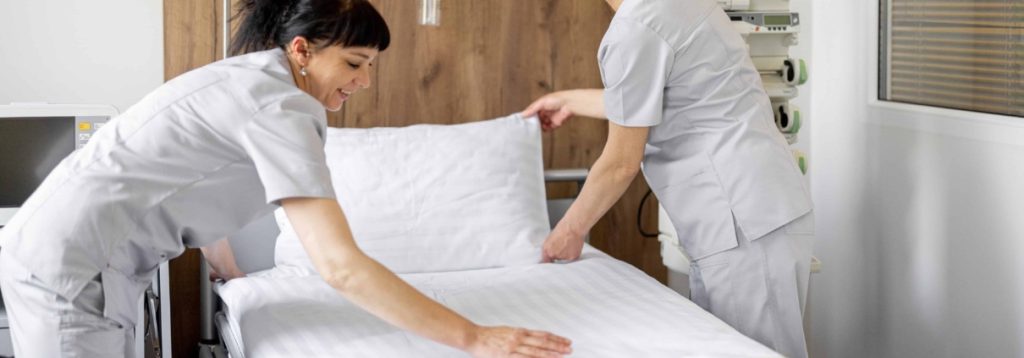
In the 1900’s hospitals used only linen sheets because they knew something we’ve forgotten – linen isn’t just a fabric – it’s healing as it emits frequencies that support the body’s recovery. Patients would heal faster just lying on it. At the cellular level, your body can absorb energy from flax linen.
Dr Otto Warburg discovered that the body vibrates at between 70-90 megahertz when it’s healthy. Chronic disease measures below 50 Megahertz, terminal illness below 15, yet linen vibrated at 5,000 Hz.
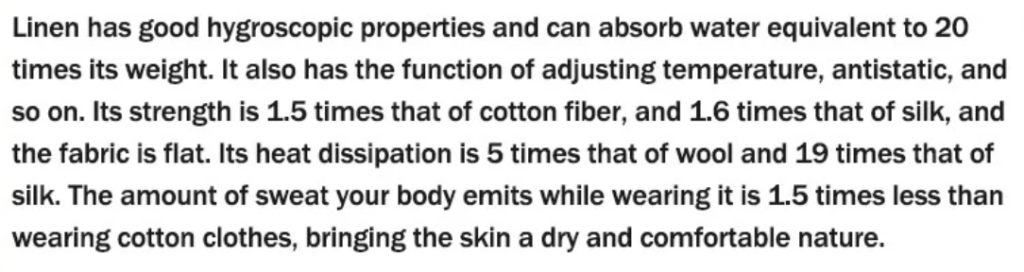
It doesn’t stop there – linen is hypoallergenic, anti-bacterial and anti-fungal, fighting off bacteria, mould and dust, also helping with allergies and sensitive skin, especially if you have trouble sleeping.
Supporting facts:
• In Japanese temples, monks spend hours smoothing fabric not because they dislike wrinkles, but because the mind syncs with the body in that moment. The hand guides the iron, the breath evens out, and without mantras to enter a meditative state. Ironing becomes attention training, which later keeps you grounded in conversations and under stress.
• Also in Japan, there is a belief that fabric holds the body’s energy. Smoothing it releases the tension left behind. You can feel it physically: rest your head on a freshly ironed pillowcase and your sleep often runs deeper. Research supports this, showing that tactile sensations from bed linens affect comfort and how quickly you fall asleep.
• Harvard studies show that rituals like ironing lower anxiety and boost performance. Repetitive actions create a meditative state, shifting the brain from anxious overdrive into calm focus. Pressed clothes give instant proof of control: you see the result immediately. When the brain sees it can handle a process, it copes better with life’s chaos.
The Vibrational Frequency Of Fabrics
Baby’s clothes
Most parents spend hours researching the best foods and drinks for their kids. And that’s important.
But what most parents are not doing is checking the actual fabric their baby is wearing all day. Synthetic clothing can release harmful substances like formaldehyde, and is often treated with toxic chemicals that can disrupt hormones.
Even clothes that state organic or natural on the tag can contain toxic heavy metals from the dyes and finishing agents used in manufacturing.
One study found 5 heavy metals, arsenic, cadmium, chromium, lead, and nickel, all exceeded OEKO-TEX safety limits in infant clothing samples (GOTS, bluesign, or UK/EU REACH over here)
Infants have a surface-area-to-body-weight ratio significantly higher than adults and so this is why toxic chemicals are so much more dangerous for infants than adults.
Their skin is thinner and more permeable. Their liver and detoxification systems are not yet fully developed. They absorb a dramatically higher proportion of whatever is sitting on their skin.
Cadmium exposure in infancy is directly linked to impaired neurodevelopment, lower IQ scores, ADHD, and learning disabilities in later childhood.
It stunts physical growth and increases long-term cancer risk.
For infants and young children, use GOTS-certified organic cotton (Global Organic Textile Standard) or Soil Association certification only.
Avoid any synthetic fabric, blended fabric, or anything without a legitimate third-party certification.
Author France Guillain, known for holistic health and lifestyle books (nutrition, baths, natural living), discussed clothing materials in a non-scientific, energetic or “vibrational” sense.
The key ideas attributed to her (and similar holistic traditions) are: Natural fibres = “good energy” She associated natural materials with being more “alive” or supportive of the body’s energy: • cotton • linen • wool • silk
These are seen as: • breathable and closer to the body’s natural state • less “disturbing” to the body’s subtle energy field • more comfortable for long-term wear
Synthetic fibres = “bad” or draining energy She warned against materials like: • polyester • nylon • acrylic • other petrochemical-based fabrics
In her framework, these were said to: • “block” or disturb energy circulation • create discomfort or imbalance • be less compatible with the human body
And then of course there’s the subject of rubber shoes……but that’s for another time.
Graeme Dinnen
ResourcesForLife.net
PS. Many years ago, in Hong Kong, while working in the Trade Finance department of a major bank, I came across a set of documents covering the importation of clothing labels from Italy. Elegant little things they were too, each one proudly proclaiming: “Made in Italy“.
Naturally, I presumed the garment possessed some connection to Milanese craft, but no. After a little prodding, the truth emerged that the labels were indeed Italian, but they were destined to be sewn onto cotton shirts that were manufactured in Hong Kong.
And there it was – modern commerce in miniature. A shirt from Hong Kong wearing an Italian alibi. Proof, if any were needed, that what glitters in the shop window is often nothing more than clever stitching.
and more….https://www.facebook.com/reel/1380582347329644
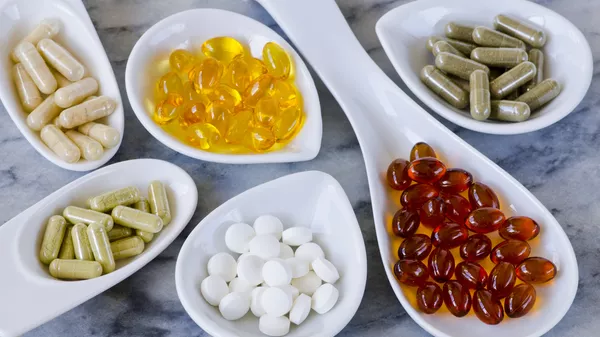
The modern supplement aisle is one of civilisation’s more flamboyant confidence tricks: a cathedral of amber bottles, metallic pouches and pious typography promising vigour, purity, radiance, immunity and the sort of bowel regularity usually associated with Swiss railways.
It is wellness by retail theatre. Rows upon rows of capsules lined up like obedient little clergy, all prepared to absolve you of the sins of late nights, poor lunches and inherited laziness.
But not all supplements are equal, and that, if anything, is the first commandment.
There is a vulgar assumption that because something is sold in a chemist, endorsed by an influencer, or stacked in a discount bin beside novelty batteries, it must be much the same as everything else.
It isn’t.
A cheap capsule can contain unnecessary fillers, binding agents, flavourings or colouring compounds that do little except bulk out the product and flatter the profit margin.
The label may speak in reverent tones about “premium wellness”; the contents may have all the dignity of swept-up factory dust.
Liquids, we’re told, are better. Purer. Cleaner. The nutritional equivalent of a good claret decanted properly rather than slurped from a plastic tumbler. Liquids do not need to be bullied into shape by presses or padded out into swallowable bullets.
Capsules can come with a supporting cast of industrial extras – fillers, coatings, anti-caking agents, things that sound less like nourishment and more like the ingredients list of a garden shed. Some have been found with the unwelcome presence of glyphosate on the exterior.
That doesn’t make every liquid miraculous, nor every pill villainous, but it does mean form matters. A supplement is not just what is listed on the front of the bottle; it is also what was required to get it there.
Which is why some companies decline the easy money. Every wellness outfit with a reputation worth keeping is regularly approached by manufacturers keen to stick their logo on a tub of generic powder and call it transformation.
We were.In our case – Resources For Life – we’ve quietly declined to enter the supplement racket altogether. Not because we couldn’t make money (we could, handsomely), but because the compromise required would stain the brand. It’s hard to preach clarity and then sell muck.
The wise producers specialise. They do one thing properly, source carefully, test obsessively, and understand that cleanliness of manufacture is not a marketing adjective but the whole point.
And in the cheaper corners of the market, once you begin nosing around the supplement aisles – those fluorescent-lit bazaars of hope and half-truths – you quickly realise that not all pills are created equal. In fact, many are barely created at all; they’re assembled, padded, bulked, and dressed up like a budget sausage.
You’re not buying health; you’re buying optimism in a bottle.
The uncomfortable truth is that supplements are not a democratic field. They are not all equal, and pretending they are is like saying all restaurants serve food. Technically correct, catastrophically misleading.
Unless you’re prepared to pay for the top shelf – the obsessive producers who treat purity like religion – you’re genuinely better off taking nothing at all. Because bad supplementation isn’t neutral; it’s a net negative. It’s fhe nutritional equivalent of fake news: looks convincing, does damage.
You don’t buy parachutes from a bargain bucket, nor should you buy ingestible health products from one.
Animal Fats
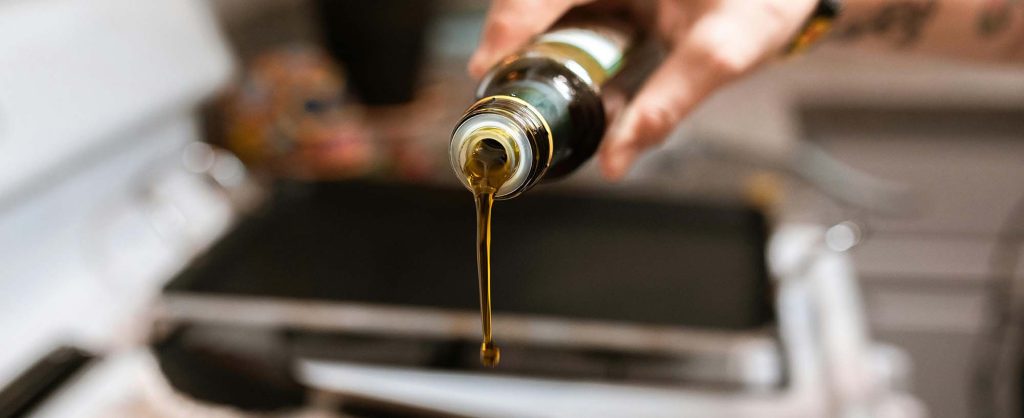
Then there is our old friend fat, demonised for decades with all the nuance of a medieval witch trial. We were all persuaded into swapping olive oil for seed oils (containing polyunsaturated fats, the enemy of the brain), fear butter, distrust eggs, apologise to cheese and embrace anything labelled “low fat”, which usually meant “high sugar” or “thickened with starch”.
Remove flavour from food and industry will replace it with chemistry.
Meanwhile, the modern diet has wandered so far off piste it’s practically in another mountain range. We’ve been herded into abandoning traditional fats in favour of industrially processed oils with names that sound like minor villains in a Bond film – rapeseed, sunflower, cottonseed. All marketed with the beatific halo of “heart healthy,” as though they’ve been blessed by a cardiologist in a lab coat.
AVOID rapeseed oil (aka Canola). 50 years ago, the only place you’d find it is in a mechanic’s garage. We’ve been buying our olive oil from Citizens of Soil for over a year. Their oils contain health-supporting polyphenols, unlike many of the supermarket oils. To try it, clickthe link, and use the code : ZEROWASTEDOLIVES as you check out: You’ll be given a 15% discount for your first order (UK buyers only).
This misdirection of food was, and remains, one of the great nutritional misadventures of the last century. Replace natural fats with these concoctions, strip the food of its soul, and what do you get? You get carbohydrates. You get sugar. You get a population that’s simultaneously overfed and undernourished, waddling toward obesity and diabetes with admirable efficiency.
The irony, of course, is delicious. The French consume more traditional animal fats than most and yet manage to sidestep the epidemic of heart disease with irritating grace. Butter, cheese, meat: all eaten with gusto, none with guilt. These fats don’t panic when introduced to a frying pan. The so-called “French Paradox” isn’t a paradox at all; it’s a rebuke as they also deliver nutrients in forms your body actually recognises, rather than vague approximations assembled in a factory.
The lesson was never that croissants are medicine. It was that nutrition is more complicated than pantomime villains and saints.
Because fats, real fats, matter. Your brain is mostly fat – a sobering thought if you’ve been living on margarine. And the type of fat you need it isn’t a lifestyle choice; it’s structural engineering. Industrial seed oils are rich in polyunsaturated fats, which are chemically unstable.
Expose them to heat or light – and cooking does both – and they begin to degrade, oxidise, and transform into compounds that are less “nutrition” and more “slow sabotage.”
These damaged fats don’t just sit quietly; they interfere. They stress the brain, disrupt cellular processes, and compromise the mitochondria, those tiny energy factories inside your cells. The result is a kind of biological brownout – less efficiency, more wear and tear. Over time, the system falters.
The result was not a nation of gazelles. It was waistlines expanding like municipal budgets, alongside metabolic illness marching steadily upward. When fat was evicted, carbohydrates moved in and trashed the place.
Food is pattern, context, quality, movement, stress, culture, quantity and time. It is not solved by replacing breakfast with fortified pellets and dinner with a beige snack bar.
And so we arrive at the truly modern alliance: bad food first, expensive remedies second. Processed diets create dependence; pharmaceuticals and supplements then queue up offering rescue. One hand sells the damage, the other leases the ladder.
The sensible route is less glamorous and therefore less popular. Eat recognisable food. Favour quality over branding. Use supplements selectively, not devotionally. If you need omega oils, buy them from people who understand oils, not people who understand packaging. If you need vitamins, know which ones and why. If you don’t know why, ask someone qualified.
Health, infuriatingly, is still mostly ordinary. Sleep enough. Walk often. Cook something. from scratch. Spend money on ingredients before capsules. If we ate real food, we wouldn’t need pills, powders and packaging.
And if a miracle comes in a fluorescent tub for £9.99, leave it where it belongs: under the strip lighting, waiting for another pilgrim.
I’m not on anyone’s payroll, nor do I pocket so much as a penny in affiliate rewards, but if you insist on knowing where to source your powders, pills and hopeful little capsules, I’d point you toward The Wellness Company.
As for your essential minerals and trace elements, we’ve driven to Guerande in Brittany several times to buy as much mineral-rich Celtic Sea Salt as our car would hold. We first came across it, and have been using it almost daily since 1997.
Make appropriate changes for your family, otherwise, you’re just polishing the brass on a sinking ship.