Graeme Dinnen

Crafting Words. Building Audiences.

Category: Natural Health

  • Your Journey Begins Here

    Your Journey Begins Here

    With food shortages on the horizon, knowing more about what you’re eating will become valuable. Even essential. To help you during this period, your journey begins here.

    New Zealand author and Metabolic Health Researcher Deborah Murtagh’s SwitchAura isn’t a single technique or product – it’s a subscription-based wellness platform and programme ecosystem built around her unique approach to metabolic health, weight loss, and holistic wellbeing…..and it’s grown and grown in popularity for years.

    What “SwitchAura” is

    At its core, SwitchAura is an online health hub and coaching system that combines:

    • Nutrition (especially whole foods and low-carb / ketogenic-style approaches)
    • Mindset and psychology around eating
    • Lifestyle changes (sleep, stress, habits)
    • Community support and coaching

    It’s delivered mainly through an app and online platform with structured programmes, videos, and group interaction.

    SwitchAura is not just a place to learn this. It is a place where people are walking this path together and where community becomes essential. That is also why so much of what we do goes beyond protocols.

    For many, once you begin looking into this properly, it can feel isolating. You start seeing things differently, questioning things differently, learning about the many misconceptions that even doctors will tell you.

    The Main Idea Behind It

    Metabolic switching is teaching the body to move from burning sugar (glucose) to burning fat (ketones) efficiently.

    This is tied to the broader issues of energy, hormones, inflammation, and longevity.

    There’s a rather telling theme threading its way through the research, and it isn’t the dreary, overused lament of “fatigue.” No, it’s something more mechanical, more primary.

    She argues that modern diets damage metabolism and are a root cause of weight gain and illness.

    Her programmes aim to “reset” the body and restore what she calls natural fat-burning ability.

    What we’re seeing is a shift in how the body earns its keep. How it spins energy out of the mundane business of being alive. Cells, those tireless little clerks, begin prioritising like overworked civil servants. Fuel is rationed, stress is triaged, and stability is maintained with all the grace of a collapsing deckchair.

    When that system stutters, the body doesn’t simply stop. It improvises. Badly. Energy becomes expensive, inflammation chatters like a room full of insomniacs, and resources are quietly siphoned away from the genteel business of repair toward the far more urgent task of survival.

    This is what we may all be facing.

    Your Journey Begins Here

    Which is why the symptoms arrive looking like gatecrashers who’ve never met. Fatigue slouches in first, brain fog follows with a damp handshake, hormones begin behaving like minor aristocrats, mood wobbles, and resilience evaporates.

    A circus of complaints, all insisting they’re the headline act, when in truth they’re just different accents of the same underlying disorder.

    And here’s where most well-meaning interventions go spectacularly wrong. They fuss. They dab. They attempt to tidy each symptom like a nervous host at a catastrophic dinner party, never once addressing the fact that the kitchen is on fire.

    The more intelligent approach – the one with a bit of backbone – is to deal with the system itself. Restore the body’s ability to switch fuels like a seasoned sommelier. Support those industrious mitochondria. Quiet the inflammatory din. Clear the metabolic drains and allow repair to happen without interference.

    That, in essence, is what SwitchAura does, and does well. Not a sticking plaster, but a structural intervention.

    So if you’re inclined to stop negotiating with symptoms and start addressing the source, well, this would be the moment to step in, rather than politely hover at the door.

    Deborah shares her personal story & why SwitchAura is in a league of its own. – Deborah Murtagh

    SWITCHAURA WELLBEING HUB & COMMUNITY BY DEBORAH MURTAGH 

    Graeme Dinnen

    ResourcesForLife.net
  • Coconuts: Shaggy Bowling Balls of the Tropics

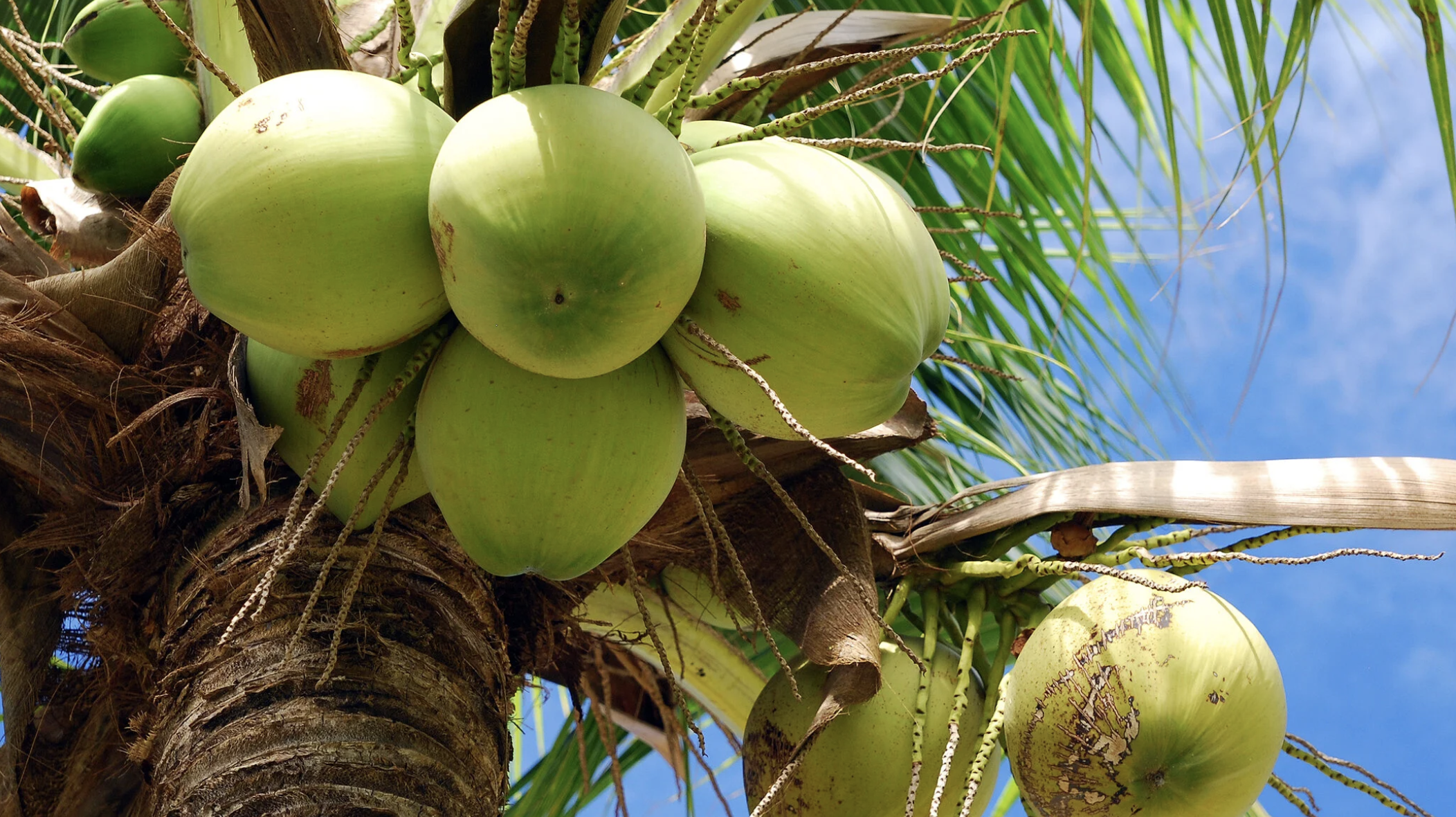
    Coconuts: Shaggy Bowling Balls of the Tropics

    A decade or so ago, a handful of friends and I were passing a long, lazy weekend on a small island in Indonesia’s Pulau Seribu chain (Thousand Islands). Yes, it was as relaxing as it sounds – a few days of sand, salt, barbecued food and ice-cold Bintang beers.

    We had taken a rattan hut for $5 a night, set a casual twenty yards from the beach and the lapping waves. The sort of place that feels as though it might at any moment be reclaimed by the tide,

    On our first morning I woke at dawn, as I often do when there is nothing in particular to wake for, and padded out to the basin, positioned beneath a stand of palms.

    As I sluiced my face with cold water, there came an abrupt, percussive crack: a coconut, loosed from its lofty indecision, slammed into the ground beside me with the sort of authority usually reserved for small car accidents.

    I’ve often heard the myth that coconuts are serial killers of the tropics. In truth, they are more negligent than homicidal, capable, certainly, of grievous insult, but rarely of outright murder.

    On this occasion, I was spared both. The coconut, having made its point, lay there with a kind of dumb finality, while I wrestled with my new respect for gravity.

    In my book “Spice Trails: In The Footsteps of Nutmeg and Cloves” I wrote the following:

    “Coconuts, those shaggy, beach-bound bowling balls, are absurdly versatile, bordering on magical. Crack one open and you’re greeted by layers of usefulness: silky flesh, rich with tropical decadence, perfect for a piña colada or a curry that suggests far-off, sun-kissed shores. 

    Then there’s the milk, that luscious, ivory nectar used for drinking, cooking, and concocting elixirs worthy of Cleopatra. And don’t forget the husk – a rugged, fibrous wonder. Woven into mats, ropes, brushes, and even roofing, it’s like nature’s edible Swiss Army knife.

    Coconut is the culinary chameleon. In curries, it’s pure velvet – thick and lush; in soups, like the dreamily fragrant Tom Kha Gai, it’s a creamy kiss for the palate. For desserts, coconut is pure indulgence, transforming puddings, ice cream, and flan into silk-spun sweetness. 

    And coconut oil? As it’s made up of mostly saturated fat, it laughs at high heat and is perfect for frying, a smoky swap for olive oil. Then there’s coconut butter, richer, almost illicit, slipping into smoothies, sauces, and dressings like pure, edible seduction.”

    Let’s expand on that…..

    Inside this fibrous bowling ball is a small, immaculate miracle: water that arrives pre-chilled, faintly sweet, and disarmingly pure. Coconut water has been marketed with all the zeal of a Californian wellness cult, but unlike most of their chalky, penitential concoctions, this one actually earns its halo.

    Being similar in some ways to human plasma. Young coconut water is naturally sterile (inside an unopened coconut) and rich in electrolytes (potassium, sodium, etc.). Although not standard practice, in emergency situations during World War II, in tropical regions where medical supplies were scarce, doctors sometimes used sterile coconut water from young green coconuts as a temporary intravenous hydration fluid.

    Coconut oil, that darling of the smugly enlightened kitchen, has been smeared onto everything from frying pans to cheekbones. It has acquired a sort of evangelical following, whispered about in the same tones once reserved for rare wines or minor deities. And while some of its claims wobble under scrutiny, it undeniably does what all good ingredients should: it makes things taste better. It lends a dish a soft, tropical hum, a suggestion of warm air and unhurried afternoons.

    Then there is the flesh, which manages to be both indulgent and virtuous, a rare and uneasy alliance. Coconut meat has the creamy decadence of something that ought to come with a warning label and a side of guilt, yet it slips easily into the modern obsession with “good fats.” It is rich, yes, but not in the oppressive, button-straining way of an over-indulgent pudding.

    It feels… buoyant. As if the calories have been persuaded to behave themselves.

    But the true benefit of the coconut isn’t nutritional – it’s psychological. It is impossible to encounter one without entertaining, however briefly, the fantasy of elsewhere. The coconut is portable escapism. It conjures beaches you haven’t visited, breezes you haven’t earned, and a version of yourself that is considerably less burdened by inboxes and deadlines. Few foods manage to be both sustenance and daydream.

    Of course, it is also absurdly impractical. Opening a coconut requires either specialised tools or a level of aggression that borders on performance art. You will spill things. You will question your life choices. But perhaps that, too, is part of its charm. The coconut resists convenience; it demands participation. In an age of frictionless consumption, there’s something faintly noble about a food that insists you work for it.

    When we lived in Canggu, Bali, returning home on our scooter we’d often stop at a roadside stall to buy two coconuts. The lady there would, with years of skill, cut the coconut until it was almost open, leaving us to get back home without spilling any coconut water and leaving us to execute the last cut. Two coconuts for £0.75 pence

    And then there’s the matting. Coconut matting (coir) is a durable, natural, and eco-friendly material made from coconut husks. It excels at scraping dirt and moisture from footwear, making it ideal for residential and commercial entranceways, while also serving as a biodegradable solution for soil stabilisation and slope protection in landscaping. Also for….

    Gardening & Horticulture: Used as coconut liners for hanging baskets, coconut poles for supporting climbing plants, and as a biodegradable mat to protect seeds from birds and foot traffic.

    Sound and Thermal Insulation: Acts as a, eco-friendly insulating material in buildings, helping to reduce noise and maintain temperatures.

    Outdoor Flooring/Activities: Provides stable, temporary, or permanent paths on soft ground, beaches, and for outdoor events.

    Cooking Oils

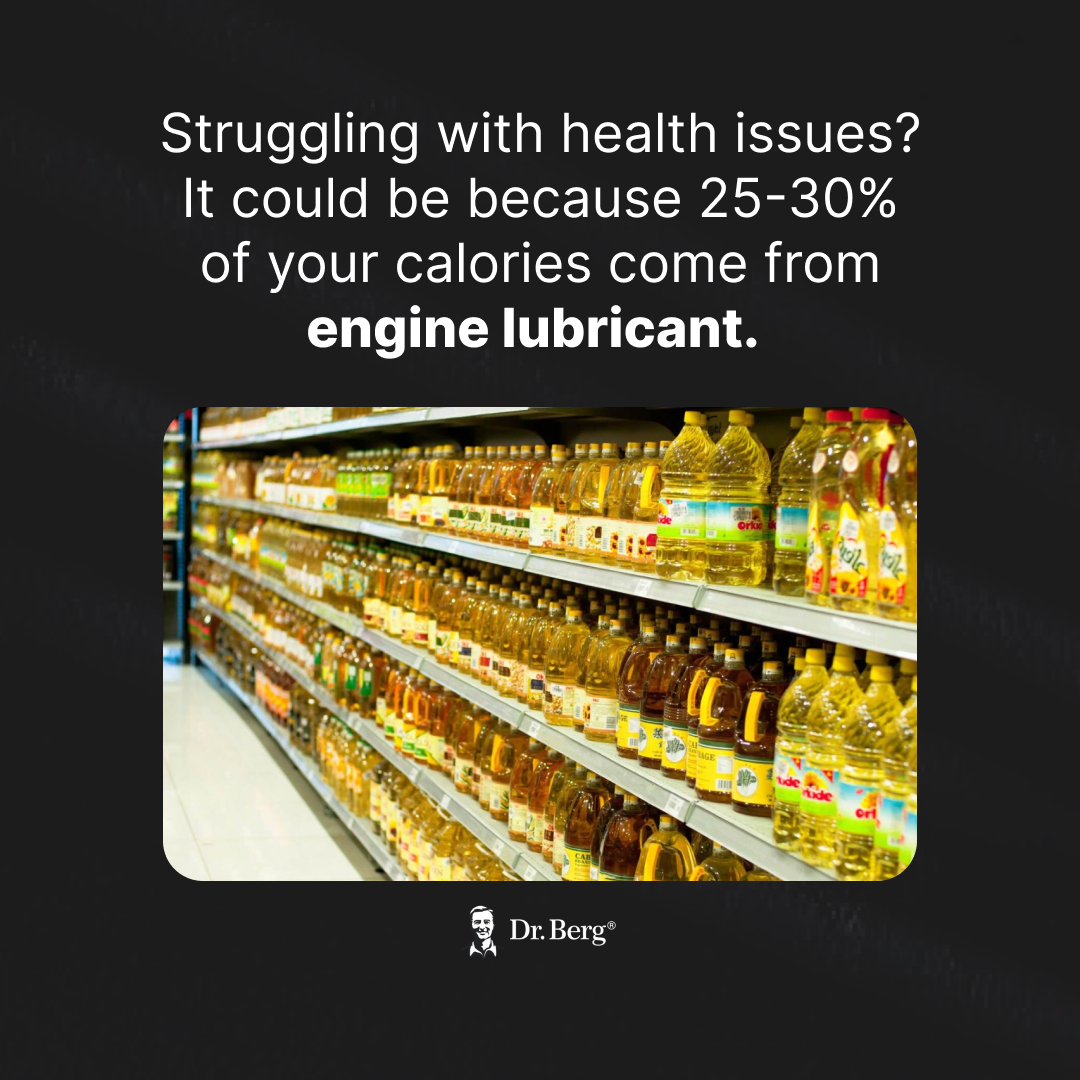
    As the years have gone by, there has been increasing awareness that seed oils are not good for us, but unfortunately, even if we want to avoid them they are in almost every processed food, even infant formulas. This touches upon a longstanding observation – if something toxic is being promoted, in most cases, regardless of how much the public protests against its use, the only way it ever gets phased out is if a less toxic substitute is found for it.

    As such, I’ve put a lot of thought into which oils could replace the high omega 6 oils we routinely use . If we look at it from a standpoint of omega 6 content and omega 3 content, the following options exist:

    Coconut oil has gained a lot of attention for both health and lifestyle uses. With a smoke point of 350 (virgin) or 400 (refined) and

    High in saturated fat, it is not a superfood cure-all despite the hype, and is best used as part of a varied diet, not the predominant fat source.

    So yes, the coconut is good for you – hydrating, nourishing, and faintly medicinal. But more importantly, it is good for your imagination. And that, in the end, may be the most restorative property of all.

    Graeme Dinnen

    ResourcesForLife.net
    Unlike other trees, the palm tree leans towards the prevailing wind

  • Truth, for Once, Without a Sponsor Attached

    Truth, for Once, Without a Sponsor Attached

    I’ve been paying my dues to Examine for the better part of three years now, and it has been, quite simply, superb.

    You needn’t be a tincture-swilling evangelist of the natural healing set to appreciate it. You could just as easily be a mildly anxious parent, peering into the pantry and wondering if you might do better by your lot.

    Examine offers something rare: advice that feels unsullied, allowing you to decide rather than be directed.

    Examine is an entirely independent organisation, and does not accept any money from outside sources. It’s a small outfit, unencumbered, no shadowy hands on the tiller, no corporate ventriloquism, and no ads (yay!) Just research, left to stand or fall on its own merits.

    Consider the things that flutter across the public mind. Aspartame, for instance, once splashed across headlines after the WHO muttered darkly about “possible carcinogens.” You’ll know if you’ve ever cracked open a Diet Coke, and felt the ripple.

    Millions rushed to Google in search of clarity and emerged, as ever, gloriously muddled.

    I googled this myself. The first result, puffed up and sponsored, looked authoritative enough, until I noticed it wasn’t the WHO at all, but a polished offering from the American Beverage Association.

    When billions are at stake and even public health bodies can’t quite agree which end is up, truth becomes a rather slippery customer.

    This is where Examine earns its keep. Its study summaries are brisk, lucid, and mercifully free of jargon. Whether you’re a clinician, a trainer, or simply a curious soul with a browser and a question, it distils the noise into something readable.

    Each piece places a study in its proper context – what it means, what it doesn’t, how it fits into the larger body of evidence. You’re given the particulars: dosage, duration, outcomes. And, crucially, the caveats, the frayed edges, the methodological sins, the lurking conflicts of interest.

    In short, it doesn’t tell you what to think. It hands you the tools and trusts you to do the thinking yourself, which, these days, feels almost indecently luxurious.

    Here’s a list of the subjects Examine covered in recent months:

    February 2026

    • Nighttime light exposure is associated with higher cardiovascular disease risk 
    • Taurine may improve multiple cardiometabolic risk factors
    • Coffee and atrial fibrillation: New evidence challenges conventional wisdom 
    • A healthy lifestyle can support cognitive function in older age 
    • Legumes may provide fewer calories than you think 

    January 2026

    • Can magnesium bisglycinate help improve poor sleep? 
    • Collagen peptides for improved knee osteoarthritis symptoms
    • Sucralose may worsen blood sugar control 
    • A handful of almonds a day nudges cholesterol the right way 
    • The effects of adding eggs to a healthy diet 

    December 2025

    • “Exercise snacks” for health: Do bite-sized exercise bouts bring big benefits? 
    • Garlic may lower blood pressure as much as some antihypertensive drugs
    • Can personal beliefs about gluten influence irritable bowel syndrome symptoms?
    • Does red light therapy work?
    • Are emulsifiers bad for gut health? 

    It’s up to you: place your faith in an independent research outfit with no strings trailing back to Big Pharma, or nod along to advice from someone whose livelihood quietly rises and falls with the monthly tally of prescriptions. You certainly want to avoid embarking on a recommended remedy because you saw it on FaceBook!

    Here’s Kamal Patel, Co-Founder of Examine (1:10)

    Alongside that choice, you’ll find supplement guides, curated research feeds, a thorough database, and an “Ask Me” corner for everything else. A great place to validate your intuition and/or suspicions.

    Click here to access the Examine website. There’s a free trial.

    Graeme Dinnen

    ResourcesForLife.net
  • Microplastics in Your Supper: Convenience, Contamination, and Corporate Excuses

    Microplastics in Your Supper: Convenience, Contamination, and Corporate Excuses

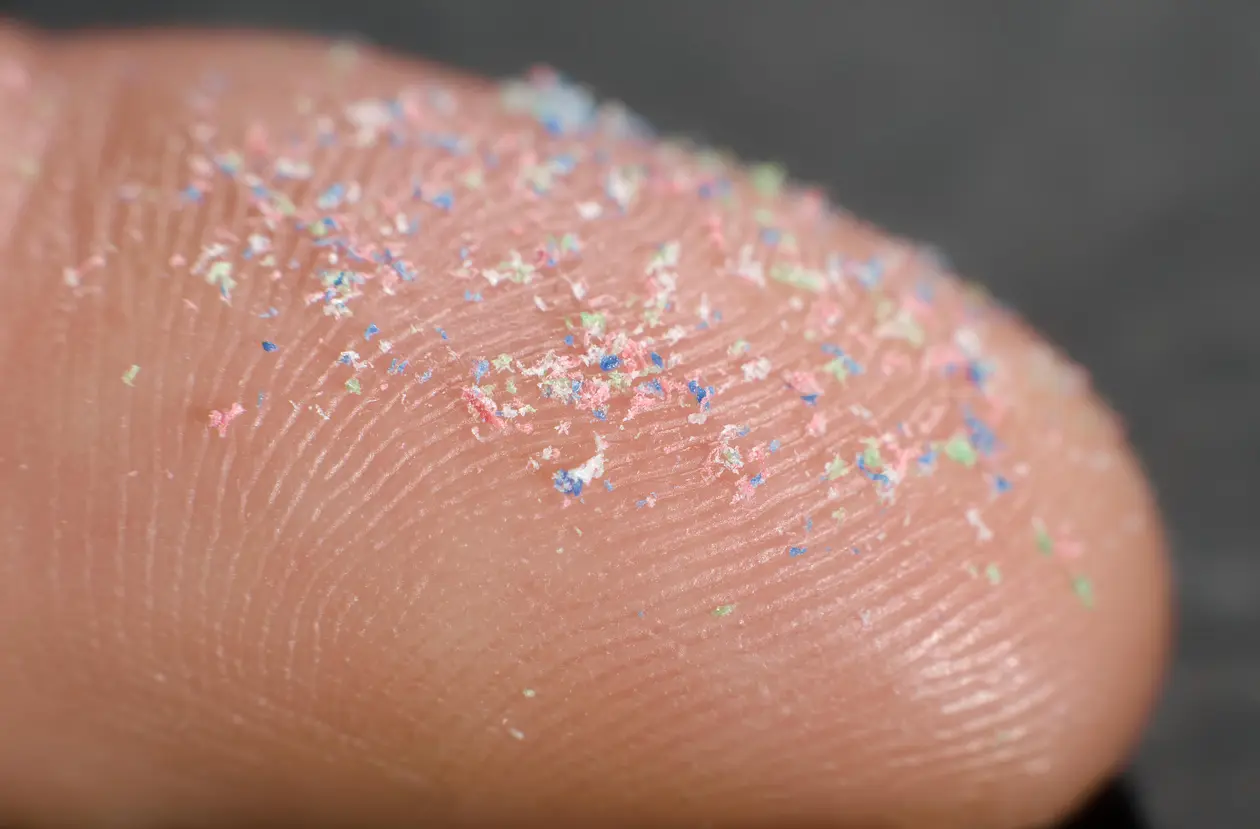
    You don’t want microplastics in your supper any more than you want diesel in your claret. Yet here they are, ubiquitous, uninvited, and about as welcome as a hair in the butter.

    They arrive not with a label, not with a flourish, but with the quiet inevitability of modern life: in the water, the fish, the soil, the very marrow of our food.

    The search engines tell us that no one is deliberately sprinkling plastic confetti into your cornflakes. Perish the thought. No, this is all frightfully accidental. Contamination, they say, like dust settling on a sideboard. Not an ingredient, just an inconvenience.

    I imagine the boardroom directors nodding gravely: terribly unfortunate, nothing to be done.

    And yet, history has a habit of spoiling a good alibi. In 2014, Procter & Gamble rather brazenly popped microplastics into Crest toothpaste, on purpose, mind you, and even declared them safe with the confidence of a man insisting the tiger is vegetarian.

    By 2016, after the hullabaloo raised by dentists and consumers, the plastics were quietly withdrawn. If they could be added, and then removed, the idea that they only ever “wander in by accident” doesn’t pass the laugh test.

    It collapses in a heap of corporate euphemism.

    Crest may have cleaned up its act, but elsewhere the trail goes cold and murky. Some toothpastes still dress their plastics in their Sunday best, calling them carbomer, PVP, polyethylene. It’s less a lie than a linguistic shrug.

    Groups like “Beat the Microbead” have pointed fingers at familiar names: Aquafresh, Prodent, Zendium, Oral-B, though always with the caveat that formulations shift like sand, so the label remains your only reliable witness.

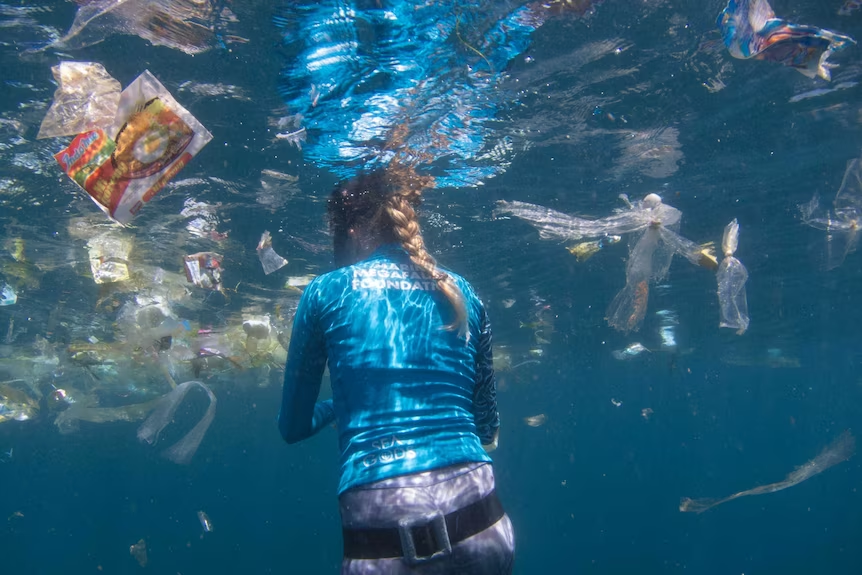
    Five years ago, I used to snorkel in these waters off Nusa Penida, an island off Bali, to watch manta rays glide on the currents. It was pristine back then. Today it’s become a maternity home for plastic.

    Meanwhile, the story grows darker, and stranger. Microplastics are no longer just in the sea; they’re in the soil that grows your carrots, the fruit bowl on your table, the water in your kettle. They’ve been found in placentas and breast milk, our most intimate, most guarded frontiers, suggesting that life now begins not just with a cry, but with a faint, polymer whisper.

    The long-term health effects remain the great, looming question mark. We do know that plastics carry a cocktail of chemicals with a talent for mischief, nudging hormones off course, stirring inflammation, raising the spectre of cancers and heart disease.

    Some particles are small enough to slip past the brain’s defences; others arrive carrying toxins as uninvited plus-ones. It’s less a single threat than a whole travelling circus of them.

    And yes, we’re told we consume about five grams of plastic a week – roughly a credit card. A bleak little metaphor, that: we’re quite literally eating the modern world, one silent swipe at a time.

    Light At The End Of The Tunnel

    Still, not all is doom served cold. In Texas, a team of teenagers have concocted a device no larger than a pen that uses sound waves to herd microplastics together like sheepdogs with a physics degree. It’s clever, elegant, and just hopeful enough to keep despair from becoming the house wine.

    Whether it scales beyond the lab bench is another matter, but it’s a reminder that ingenuity hasn’t yet been entirely outpaced by our capacity to make a mess.

    I have as yet been unable to locate their device.

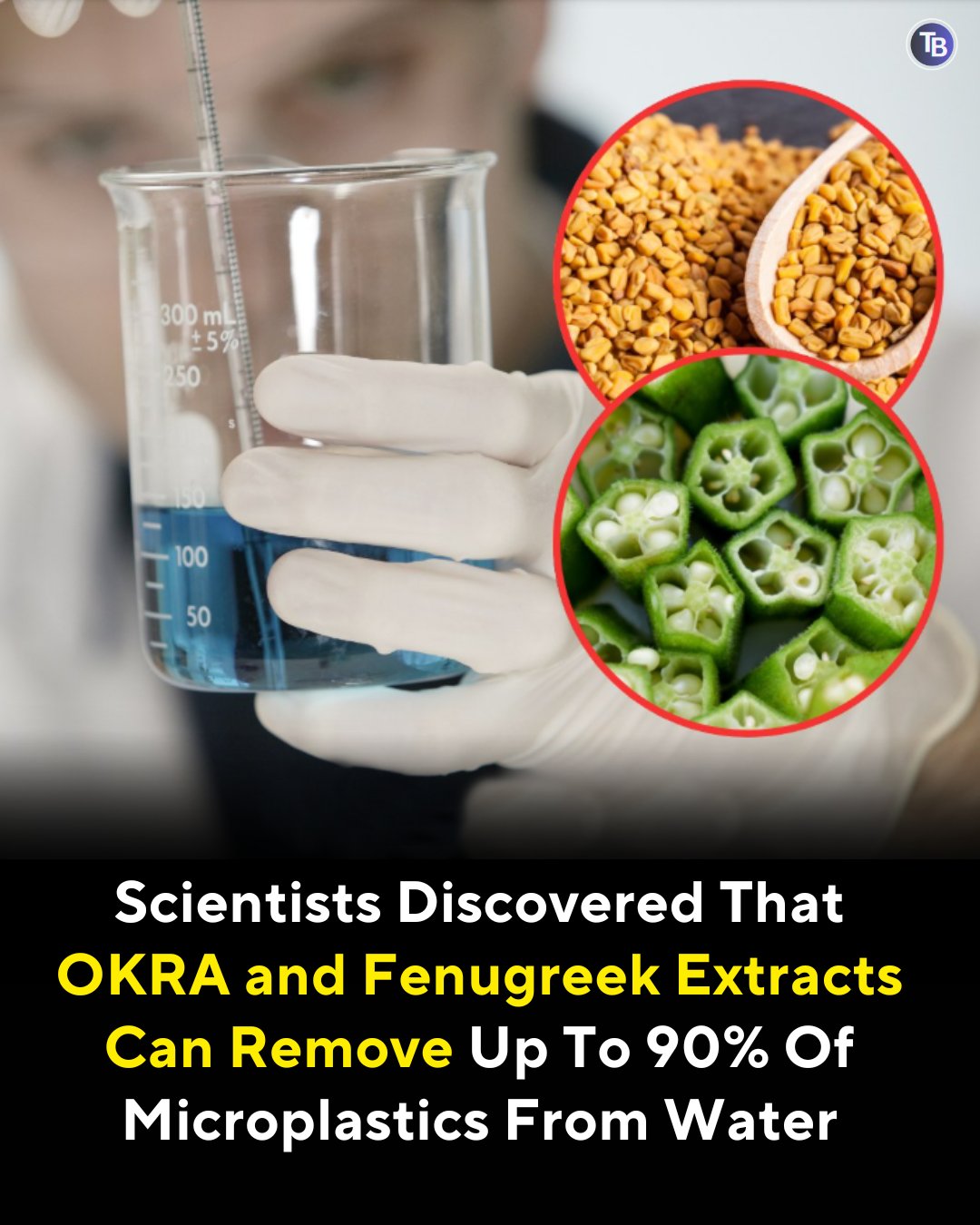
    As for the rest, there’s tamarind seed, chlorella, okra and fenugreek. These read like ingredients in a particularly virtuous stew, each touted in corners of the internet as a possible helper. Whether they are heroes or merely garnish remains to be seen.

    In the meantime, the advice is tediously sensible: read labels, filter water, favour less processed foods, and try to live a little less wrapped in plastic. It won’t solve everything. But then, neither does pretending the problem arrived by accident and will politely leave the same way.

    What You Can Do Today

    Watch this clip for sound advice from Dr.Eric Berg on what you can do from today onwards

    https://www.facebook.com/reel/1280137714125505

    Let’s put this in perspective. According to recent research, the largest source of microplastics to the average person today is bottled water. A litre of bottled water contains approximately 240,000 tiny plastic particles.

    You certainly don’t want them inside you.

    Graeme Dinnen

    ResourcesForLife.net
  • The Coming Food Crisis: What We Eat Is About to Change

    The Coming Food Crisis: What We Eat Is About to Change

    We’re all facing significant challenges over the coming era. One of them is food.

    The elected leaders of many countries are throwing their toys out of the pram, and we’re already paying the price.

    Let’s be real. The world feels heavy right now. We’ve all seen the news. Everything is going up in price and the threat of stagflation is no longer conjecture.

    Understanding the value of food as fuel for the body will become increasingly important.

    For centuries, food has been bringing people together to a communal table, allowing them to talk a while sharing their stories, their emotions, their experiences and their lives.

    There’s nothing better than enjoying food with friends. Food gives us an instant connection to our traditions and beliefs.  Most important it’s the way mothers in every country or tradition say “I love you”

    An appetite for food is much like an appetite for life. Food changes our mood and can induce contentment well beyond that of the digestive tract.

    It’s the modern equivalent of sitting around the campfire and exploring memories. Having a sense of belonging; a place in the world.

    For me a delivered pizza doesn’t tick any of these boxes.

    The subject of diet is far too colossal to address comprehensively here. There’s no such thing as a single healthy diet that benefits everyone. Each unto their own. Rules cannot apply to everyone. If you want to eat meat, you shouldn’t have to listen to someone preaching with different views, unless you express an interest in their perspective.

    Would you take advice from the US Academy of Nutrition and Dietetics if you knew they are shareholders in the ultra food companies PepsiCo and Nestle?

    Would you take nutritional advice from Amazon if you knew they bought Whole Foods and are now selling pharmaceuticals?

    We humans have clearly become confused about food.

    Recent media headlines include:

    • Americans ditch cheese after learning Pfizers GM ingredients are now found in 90% of dairy products

    • Deli ham and bacon were recently classified as a Group 1 carcinogen (cancer-causing) by the WHO. To give you a perspective, Group 1 also includes tobacco, asbestos and arsenic. How long did it take for them to admit that?

    • The FSA is considering relaxing the safety rules for genetically edited foods, with approval likely for this year.

    • Despite rumours, supermarkets have not collectively agreed to stock synthetic food. Instead they already sell plant-based alternatives (vegan burgers, dairy-free cheese, etc.). These may contain ultra-processed ingredients and hidden contaminants.

    • The UK Food Standards Agency (FSA) is reviewing safety rules and speeding up the approval process, for selling lab-grown meat in the UK

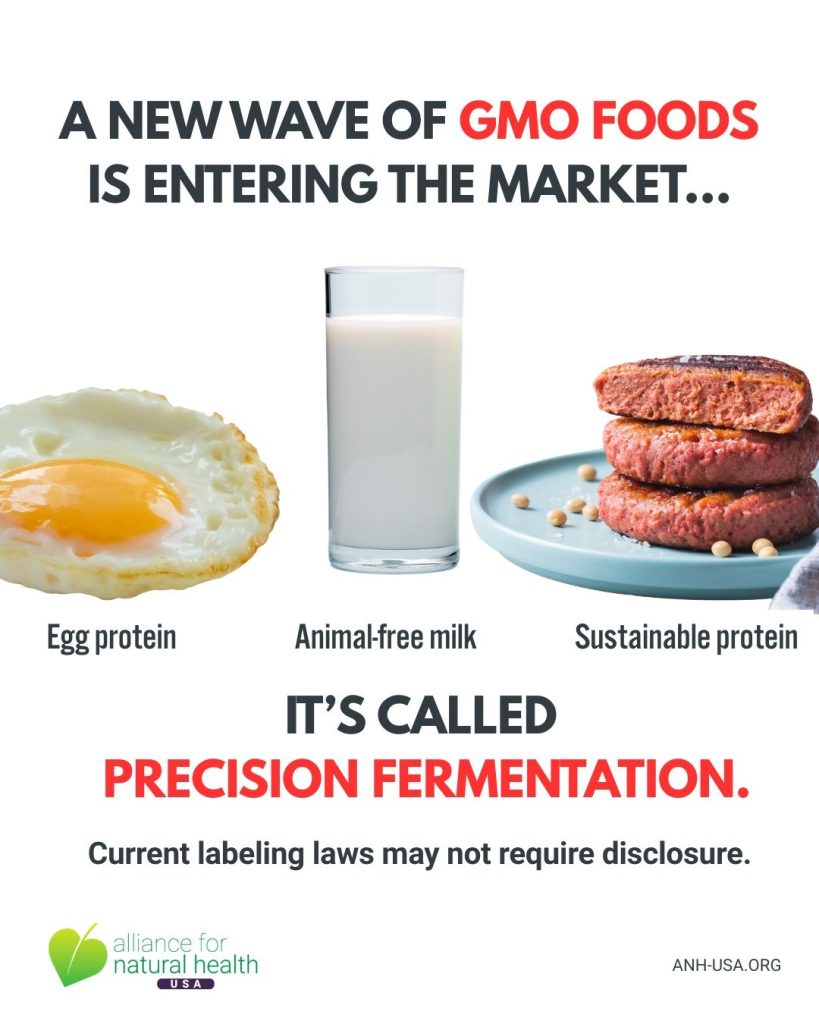
    • A new wave of genetically engineered “precision fermentation” foods is quietly entering the US market, without GMO labels and without your informed consent. 

    Heart Health

    We’re repeatedly told that heart disease is the #1 Killer in the United States. The reason is simple – the Western diet is devastating the entire body, particularly your heart and cardiovascular system.

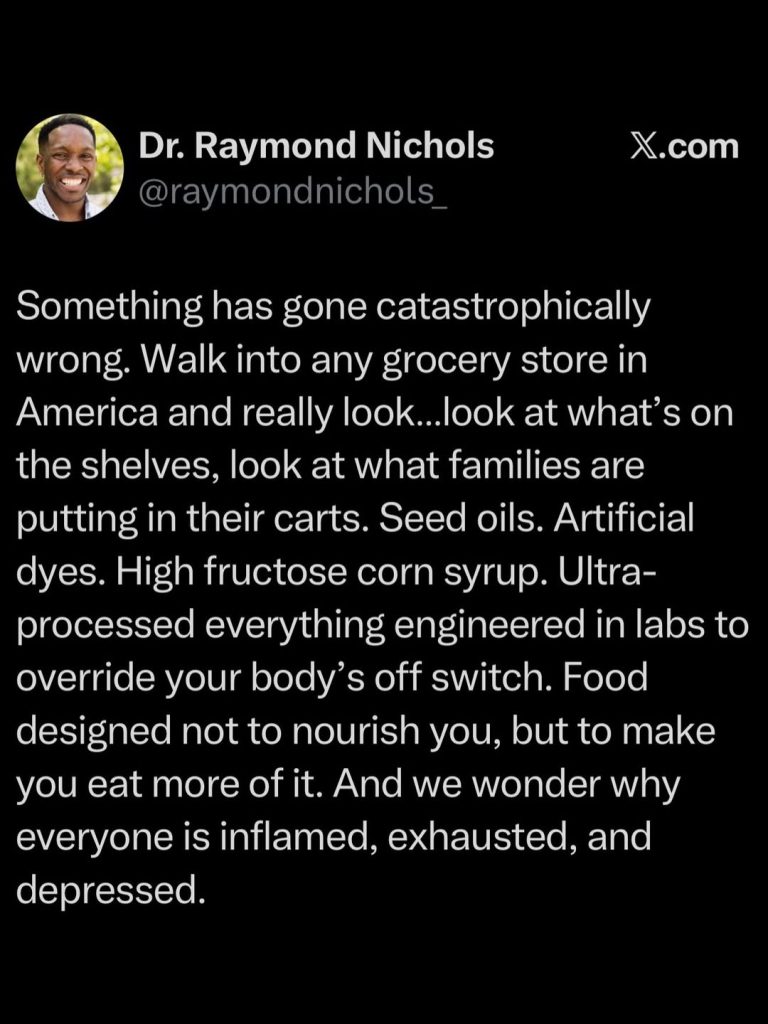
    The truth is that the wrong food combinations are consumed, in ridiculous portions, and are supplemented by over-processed and toxin-heavy “foods” that provide nothing while stripping your body of minerals and vitamins.

    Instead of skipping your eggs in the morning, skip the carbohydrates instead. You’ll feel fuller for longer and have improved focus because the nutrients in eggs are not only a great part of a heart healthy diet, they are incredible as brain food!

    Some years ago I found myself incarcerated in a hotel for the duration of one of those weekend seminars – days of PowerPoint penitence punctuated by coffee the colour of varnish. At breakfast, I watched my fellow inmates assemble their plates at the buffet with the sort of strategic enthusiasm usually reserved for military campaigns or Boxing Day sales.

    You know the tableau: crockery groaning under geological layers of carbohydrates, fried eggs wobbling like minor planets, sausages laid out with the solemn inevitability of plumbing. Hash browns, pastries, toast – everything beige that could be coaxed from a kitchen before nine in the morning was drafted onto the plate. It was less breakfast than a nutritional land grab.

    Having seen this sort of thing before, and knowing precisely how the story ends, I kept to the monastic lane: porridge, fruit, a cup of tea that didn’t threaten to clot.

    By mid-morning the buffet brigade had reached the inevitable post-prandial reckoning. They were slumped in their conference chairs, eyes at half-mast, nodding gently like ornamental dashboard dogs while the speaker soldiered on through slide fifty-three.

    The great fry-up offensive had advanced bravely, but somewhere around the bacon and brioche it had overextended its supply lines and surrendered the room to sleep.

    Opt For Quality

    Cheese – making real cheese has become a passion, and one we enjoy the benefits of. If there’s a real cheese maker near you, wherever you live, support them, or you’ll end up eating cheese from a questionable source. We buy from www.finecheese.co.uk/.

    Pfizer’s GM products may be in your cheese. https://www.facebook.com/reel/4324400844498294

    Honey – Turn the honey bottle upside down. If it bubbles slowly or barely moves, it’s real. If it flows fast like water, it’s fake. There are many quality honey providers wherever you live. Supermarkets are rarely amongst them.

    Salt – As most people are mineral deficient, Celtic Sea Salt is the inexpensive answer, containing 83 vital minerals including magnesium, potassium, calcium, selenium and iodine. I’d venture that 50% of people waiting to see a doctor are there because they’ve become mineral-deficient. The answer is inexpensive mineral-rich salt.

    Beans – IF you use beans in your kitchen for preparing Mexican foods or just love chickpeas ……https://boldbeanco.com/

    Curry – Curries contain curcumin. If you don’t eat at your local Indian restaurant, try making curry or other spicy dishes at home.

    Oatmeal – They call it healthy, the breakfast bowl haloed in virtue – oats, wholesome as a vicar’s handshake, the sort of thing that makes you feel morally superior before you’ve even found the spoon.

    Yet the same pious porridge that 85% of patients with stomach cancer had been dutifully eating every morning for the past decade. Ten years of earnest chewing, ten years of believing the packaging’s pastoral lies.

    The likely villain is glyphosate, a weedkiller misted liberally over oat fields, the agricultural equivalent of spraying the salad with floor cleaner and hoping nobody notices. Healthy, they claim. Just add milk and faith.

    Herbs and Spices, this is worth listening to, if only to set you on the right path again.

    Fruit and Veg (and more): We favour Farmer’s Markets and Riverford organics. If you register to receive your box of organic fruit and veg, Riverford offer £15 off your second order. UK only.

    Margarine – You want to avoid margarine as the older or cheaper margarines usually contain trans fats, which raise bad cholesterol (LDL), lower good cholesterol (HDL) and increase the risk of heart disease. Margarine is usually made from refined vegetable oils that are artificially coloured to look like butter, chemically processed, then bleached and deodorised. Put a small lump of margarine on your windowsill i and a year later it will look the same. Not even flies land on it.

    Olive Oil – AVOID rapeseed oil (aka Canola). 50 years ago, the only place you’d find it is in a mechanic’s garage. We’ve been buying our olive oil from Citizens of Soil for over a year. Their oils contain health-supporting polyphenols, unlike many of the supermarket oils. To try it, click the link, and you’ll be given a £5 discount for your order (UK buyers only)


    Wheat

    WEC Agricultural Report:

    “Wheat is not just a commodity; it has historically been a weapon. It has toppled more empires than gunpowder and will likely do so again. The current 2021–2025 wheat bear market is the calm before the most violent upward surge in agricultural history. Our models indicate a phase-transition target of $21.00 per bushel by the peak of the 2032.95 turning point. This is not inflation. It is systemic food scarcity intersecting with the War Cycle, Climate Cycle (volatility, not “warming”), and the Monetary Crisis Cycle (1971–2032).”

    You’re going to be buying food in a month’s time anyway. Why not buy it at this month’s prices?

    It’s time to make useful decisions.

    Graeme Dinnen

    ResourcesForLife.net
    PS. From Jeff Berwick, yeterday:

    “Food rations – Look at the map. Ukraine is tapping out Russia’s oil refineries. China has stopped exporting fertilizer. The Middle East is being primed for a blowout. They are knocking out 40% of the world’s energy supply on purpose. Why? Because if you can’t afford to travel, you stay in your 15-minute city.

    If you think eggs are expensive now, wait until oil hits $150 or $200. We are looking at a total economic collapse and a food shortage that could wipe out 1 to 2 billion people. This isn’t a “maybe.” It’s baked into the cake.”

  • The Body’s Quiet Revolt: On Knees, Toes and the Folly of Stillness

    The Body’s Quiet Revolt: On Knees, Toes and the Folly of Stillness

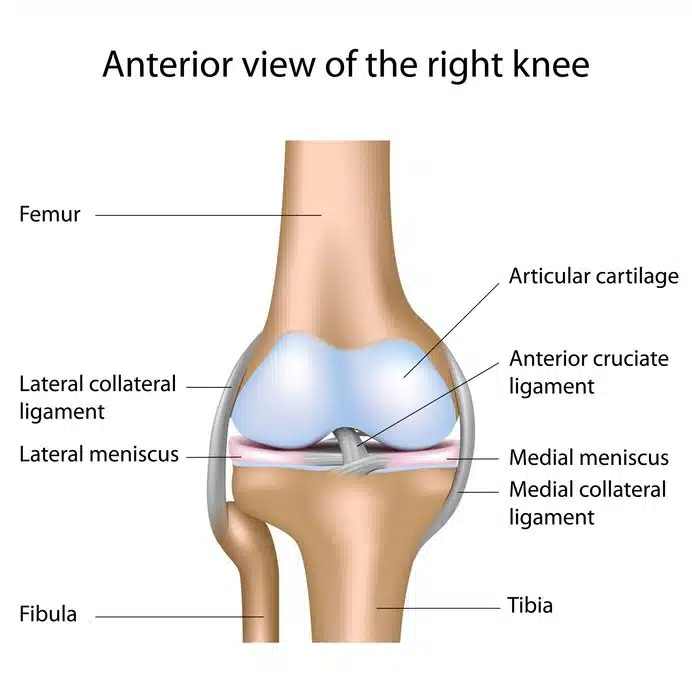
    Why Your Knees Sulk

    To restore a knee, you must first offend it slightly. That, at least, is the impolite truth. The modern instinct is to tuck the joint up in cotton wool, to whisper to it, to excuse it from duty as though it were a minor aristocrat fallen upon delicate times.

    A joint does not sleep. It starves. “Rest,” say the doctors, with the best upholstery of intentions. And so we sit. And in sitting, we rust.

    The great paradox, and medicine has a cupboard full of them, is that a knee spared is a knee spoiled. A joint is not a porcelain figurine to be admired at a distance. It is a hinge. And a hinge that does not hinge becomes a grievance.

    Consider the cartilage. It has no blood of its own as it dines instead on synovial fluid, that slick, miraculous broth brewed only when the joint moves. No motion, no broth. No broth, no banquet. And so the cartilage dries like yesterday’s toast, and the knee, far from resting, begins its quiet sulk into decay.

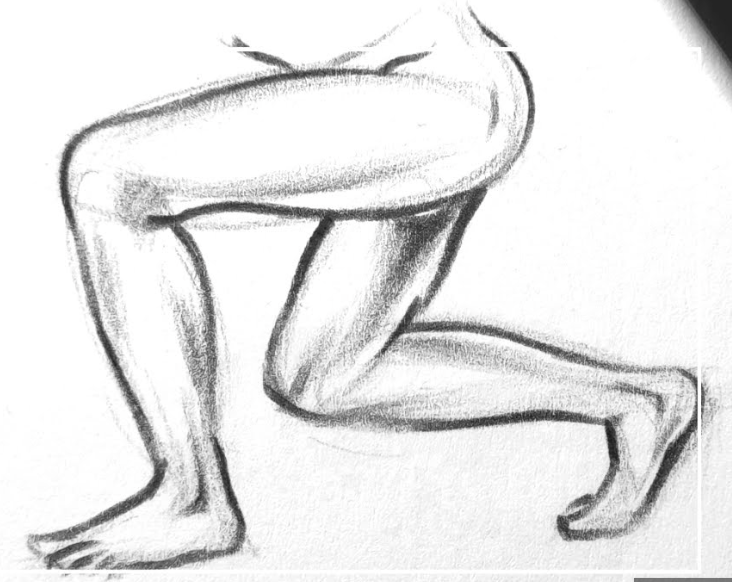
    The Taoists, who were rarely in a hurry and never surprised by the body’s stubborn logic, understood this long before the MRI machines began humming. Their prescription is disarmingly simple: kneel, and move. Not with the grim determination of a penitent monk, but gently, as though negotiating with an old friend.

    Knee walking, which sounds faintly ridiculous until you try it, works the joint like a pump. A soft compression, a subtle shift. Stale fluid pressed out, fresh fluid drawn in. The whole mechanism refreshed from within. Warmth follows. Then a little more freedom. Morning stiffness loosens its grip. The crackling that once announced each step in time, quietens. It is not mysticism. It is plumbing.

    But you must not be heroic about it. Heroism is the fastest route to orthopaedics. Never on a bare floor, this is not Spartan training. A thick carpet, a folded blanket, a mattress: the knees must sink, not challenge.

    If pain barks loudly, simply kneel for a minute and shift your weight. That alone is enough to stir circulation. Later, perhaps, a slow step forward, then back. Spine upright. Movements measured.

    Joints are meant to work; they are not meant to suffer.

    In Chinese medicine, the knees are spoken of as a kind of crossroads, a place where the traffic of the body gathers before travelling upward. When they function well, people report a curious lightness, as though someone has opened a window somewhere behind the eyes.

    Even in moments of immediate discomfort, a firm but civilised pressure around the kneecap can ease swelling and persuade tension to stand down.

    Small habits, performed faithfully, tend to outwit grand gestures. Stillness, for all its apparent kindness, is often the cruellest choice of all.

    Why Your Toes Tell the Truth

    Toes are the unsung footnotes of style, the small print that reveals whether the wearer has read the contract. We spend our lives checking the obvious – hair, jacket, fingernails, watch – while the toes, those five blunt vowels at the end of the sentence, are left to mumble.

    This is a mistake. Toes are honesty. They are the last place vanity thinks to lie, and therefore the first place truth peeks out.

    Good toes suggest a person who finishes things. They have been clipped, considered, occasionally allowed a holiday of varnish. Bad toes, yellowed, taloned, ashamed, betray a chaos elsewhere, a sock-drawer life.

    Analysing The Toes

    Shoes, of course, are their opera house. A shoe can forgive a multitude of sins, but it cannot redeem toes that have given up. Sandals are the cross-examination. They ask the question plainly and accept no excuses in reply.

    Style is not about display; it’s about control. Toes demonstrate it perfectly. They are domesticated extremities, once wild, now persuaded into leather and rubber, trained to walk politely in public.

    The stylish person knows this and makes choices accordingly: the clean white trainer with the democratic toe box; the loafer, louche but disciplined; the raised heel, which turns toes into a clenched fist of intent.

    Even bare feet can be stylish if they look as though they’ve chosen freedom rather than fled responsibility.

    Ignore toes and you risk the fatal flaw: the immaculate suit undone by a pair of feet that look like they’ve lost an argument with a lawnmower. Attend to them and you gain quiet authority.

    Toes don’t shout. They don’t need to. They whisper competence from ground level, which is where all style, eventually, must stand.

    I read recently of a doctor who said to a patient: “Clench your toes twenty times.” No lecture. No explanation. And by the fifth squeeze the patient felt a warm, soft current switch on in his lower abdomen.

    The doctor continued, “Exactly. That’s what your body has been missing.” Turns out the toes are directly connected to balance and nervous regulation. Activate them, and the body wakes up from the bottom up.

    By the tenth squeeze, the patient’s breathing became lighter, like someone had removed an invisible weight from his chest. The doctor explained: “You just stabilised your vagus nerve. People take pills for years, and their feet aren’t even functioning. You will have felt your breath deepen and smooth out, without forcing anything.“

    On the fifteenth squeeze, a neck spasm he’d had all week released. The doctor nodded: “There it is. When the foot is locked, the whole body goes into defense mode. Activate the toes and blood flow moves upward.”

    I was impressed that something so simple could change a state in seconds.

    After the twentieth squeeze came clarity. Not a high. Not euphoria, just the feeling that his brain clicked back into place and started working normally again. Then the doctor said: “This is how we discharge micro-stress that builds up for days. I use this technique to bring people back into their bodies even during panic.”

    The doctor added: “Your mind works better when you activate the ground under you.”

    Try it yourself. Right away if you can. If nothing happens the first time, it’s probably because it’s the first time. Don’t give up. Try later on, ot tomorrow morning, and again in the evening. To make it a habit, do it while you’re making toast or boiling the kettle. You won’t regret it.

    That was how I found it, through perseverance. And for the first time in a long while, I felt assembled.

    I now do this most mornings, and before important events. It lifts me from the inside and centres me.

    Don’t let out-of-sight become out-of-mind. The Doctor was right.

    Graeme Dinnen

    ResourcesForLife.net
  • Only When You Let Go Of What You Are, Can You Become What You Might Be.

    Only When You Let Go Of What You Are, Can You Become What You Might Be.

    In the following paragraphs, if you allow me, I’m going to pretzel your brain.

    There’s a risk that you may come out of this bemused, but, if you’re open to embracing its fundamental nature, you’ll be well on your way to dealing with what lies ahead.

    And believe me, what lies ahead will be challenging for every one of us.

    The Tao Te Ching (pronounced ‘Dao’) i

    The Tao isn’t a thing. It has no corners to knock against, no labels, no barcode. You can’t insure it or inherit it. It is not matter but manner, a current that runs beneath the visible world like plumbing you never see but cannot live without.

    Try to define it and it smiles politely and steps aside, for the Tao that can be told is not the true Tao.

    It is described as empty, yet it overflows. Hollow, yet inexhaustibly productive. From this supposed vacancy comes the clutter and clatter of everything: stars, stones, emperors, ants. It does not strain. It does not boast. It produces the ten thousand things and then declines the credit. A creator without the vulgarity of ownership.

    When anyone tries to explain the Tao, the result is often baffling, especially for those steeped in Western ways of thinking. How did you feel when I told you that the Tao was nothing – no name, no form – and yet its other side is everything, with name and form?

    The scholars insist the Tao is insubstantial yet complete. Deep, still, origin without ancestry. Before heaven, before rulers, before the first spark of organisation, there it was. Not with a bang, not even with a whisper. Simply present. If existence were a long novel, the Tao would be the blank page preceding chapter one.

    You cannot see the Tao, yet you feel it in the way you feel gravity, an unarguable persuasion. It both exists and refuses to perform its existence. A master of understatement.

    Bring this down from the cosmic to the personal and the Tao begins to resemble what we call spirit. Not the melodramatic variety that rattles chains, but the quiet animating principle. The difference between a body, and a body that is alive. It has no measurable weight, yet without it the whole enterprise collapses.

    The mind, alas, is another creature entirely. The mind is acquisitive. It hoards opinions, traditions, inherited prejudices and fashionable anxieties. It is a collector of cultural debris. Over time it mistakes this accumulation for identity. We parade our thoughts as though we invented them.

    Spirit, by contrast, is uncluttered. It does not argue; it aligns. When the body falls away, the thinking apparatus goes with it – a useful but temporary contraption. The spirit, we are told, returns to the larger current, as water returns to sea.

    The instruction is almost offensively simple. Soften. Where there is sharpness, introduce gentleness. Where there is chaos, apply stillness. When emotions flare, and they will, do not answer fire with petrol. Blunt it with composure. Dissolve confusion with a quiet mind. Harmonise with circumstance rather than attempting to throttle it into submission.

    This is not passivity. It is calibration.

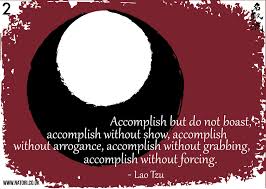
    Lao Tzu, the author of The Tao, wrote, “To attain knowledge, add things every day. To attain wisdom, remove things every day.”

    Never let the quest for more distract you from the beauty of enough. Perhaps in the stillness of nature, you’ll find your answers.

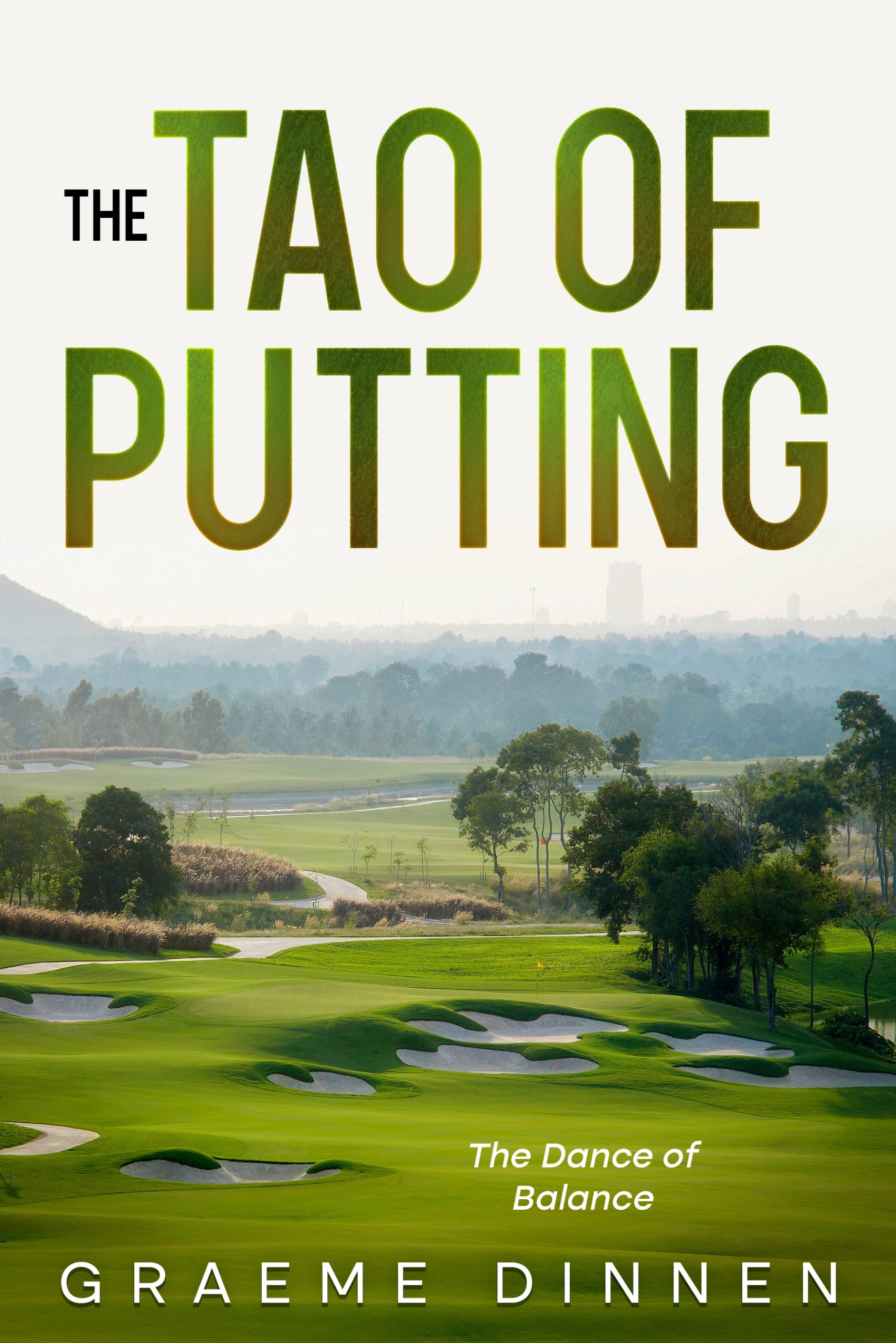
    I wrote The Tao of Putting last year. On the surface, it’s about golf, about that small, maddening theatre where grown adults attempt to coax a dimpled white ball into a hole. But that’s merely the camouflage.

    Inside, it’s less a manual for golfers than a quiet sermon for anyone who has ever tried to do something well, while their brain insists on doing the opposite. Sportsmen and women of every persuasion will recognise the disease: the tremor between intention and execution, the whispering mind that turns a simple act into a philosophical crisis.

    Once again, it isn’t the putting. It’s the peculiar human habit of making life unnecessarily complicated and then wondering why it refuses to behave. The little lessons of patience, attention, humility and the occasional acceptance of failure. These things travel rather well. They wander happily off the green and into offices, kitchens, marriages and boardrooms.

    If people nick even a fraction of those lessons and smuggle them into the rest of their lives, the effect would be rather splendid. The world might not become perfect, but it would almost certainly become calmer, kinder and a great deal more accurate over short distances.

    So The Tao of Putting isn’t a lesson, it’s a scar. It’s what woke me up, what resurrected me. Like being kissed full in the face by meaning after a long, grey affair with mediocrity. It didn’t whisper; it didn’t coax. It slapped me, spun me around, and said, “Look – this is what it feels like to be blisteringly, breathlessly alive.”

    And for a moment, I wasn’t just existing – I was inhabiting myself, every cell drunk on the sheer gall of being awake in the world. It’s earned, not given.

    If you blink, you may miss the moment that matters most: the rare, electric experience of truly inhabiting your own life.

    Graeme Dinnen (last recorded golf handicap 9)

    ResourcesForLife.net

    The Tao of Putting
    The Tao of Putting

    Past Articles:

  • How Much Do You Know About Your Blood Type?

    How Much Do You Know About Your Blood Type?

    Last week, my article A Circulatory Confession prompted questions about whether a person’s blood type has any bearing on their personality.

    My usual answer is “No”, though in Japan and South Korea some people treat blood groups rather like horoscopes, attributing temperament and compatibility to A, B, AB or O. To that extent, blood type has been woven into personality lore.

    In 1930, Tokeji Furukawa proposed that temperament corresponded to blood group, an idea known as ketsueki-gata. It remains culturally influential, though biologically unsubstantiated.

    The likelier explanation is psychological: tell someone they are meant to be meticulous or mercurial and, before long, they may oblige. I suspect an old self-fulfilling prophecy, rather than a quirk of haemoglobin.

    Biology

    What blood type does influence is biology. It plays a role in transfusion compatibility, affects clotting characteristics, and is associated with slight variations in disease risk. These are medical realities, not character assessments.

    Think of blood as a private dining club. On the surface of red cells sit antigens as molecular name cards, while the immune system acts as maître d’, turning away anything unrecognised.

    The most important classification is the ABO blood group system, identified in 1901 by the Austrian pathologist Karl Landsteiner. His discovery transformed transfusion from hazardous guesswork into ordered science.

    The Four Principal Groups.

    • Type A cells display A antigens and carry anti-B antibodies.

    • Type B displays B antigens and carries anti-A antibodies.

    • Type AB carries both antigens and no antibodies of this kind, making it able to receive red cells from any ABO group.

    • Type O displays neither antigen but carries both antibodies, allowing it to donate widely but receive only from its own type. These antigens are sugar molecules attached to proteins and lipids on the cell surface.

    If incompatible blood is transfused, antibodies bind to foreign antigens and trigger a dangerous immune reaction.

    This is why O negative red cells are often termed “universal donor” and AB positive “universal recipient,” though in practice matching is done carefully and precisely. Blood group frequencies vary geographically: Type O is common in much of South America, while Type B is more prevalent in parts of Asia.

    Such patterns reflect human migration and evolutionary pressures over millennia.

    Rh Blood Group

    Alongside ABO sits the Rh blood group system, further elucidated by Landsteiner and the American immunohematologist Alexander S. Wiener. The key component is the D antigen. If it is present, a person is Rh positive; if absent, Rh negative. Unlike ABO antibodies, anti-D antibodies usually form only after exposure through transfusion or pregnancy.

    This distinction matters particularly in pregnancy. If an Rh-negative mother carries an Rh-positive fetus, her immune system may produce antibodies that attack fetal red cells, causing haemolytic disease of the newborn. Once a serious and often fatal condition, it is now largely preventable through timely administration of anti-D immunoglobulin.

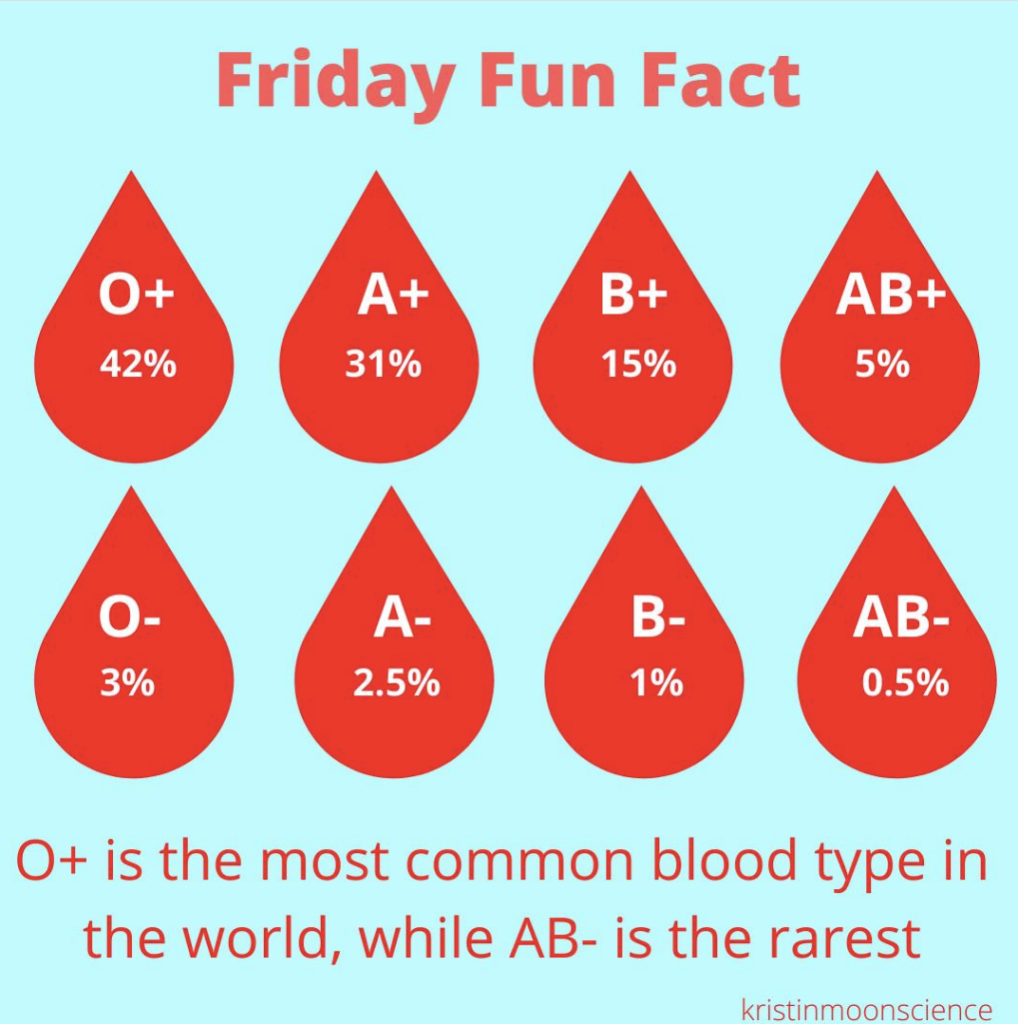
    Combine ABO and Rh and we arrive at the eight familiar types: A+, A−, B+, B−, AB+, AB−, O+, O−. They are medically vital labels in a complex biological system, but they do not dictate whether you are bold, anxious, tidy or always late for dinner.

    Blood types

    Beyond ABO and Rh, the International Society of Blood Transfusion recognises more than forty blood group systems — a crowded supporting cast to the familiar eight types.

    Kell is notably immunogenic, capable of provoking severe transfusion reactions.

    Duffy carries an evolutionary twist: many people of West African ancestry lack the Duffy antigen, a genetic absence that confers resistance to Plasmodium vivax malaria — natural selection at work.

    Kidd is infamous for delayed haemolytic transfusion reactions, appearing days after a transfusion when trouble seemed safely past.

    MNS, involving glycophorin proteins, is genetically intricate and clinically relevant.

    Even rarer curiosities abound…..

    The Bombay phenotype, first identified in Mumbai, lacks not only A and B antigens but the foundational H antigen. Individuals may test as Type O yet cannot receive ordinary O blood, only blood from the same rare phenotype. Rarer still is Rh-null, or “golden blood,” found in fewer than fifty known individuals worldwide; its absence of all Rh antigens makes it scientifically valuable but logistically challenging for transfusion.

    Associations between blood type and disease risk exist, though they are modest. Type O appears protective against severe malaria, and during the COVID-19 pandemic there were suggestions, intriguing but not definitive, of slightly reduced risk of severe illness among Type O individuals.

    Behind eight simple labels lies a complex immunological system, medically vital, scientifically fascinating, but not a guide to character.

    Graeme Dinnen (O negative)

    ResourcesForLife.net

  • A Circulatory Confession

    A Circulatory Confession

    Let me tell you something.

    It isn’t cholesterol levels that should be keeping you awake at three in the morning.

    Cholesterol is convenient. It’s neat. It comes with numbers and charts and tidy little pills. Doctors can point at it, frown meaningfully, and write a prescription. It behaves like a proper villain.

    But the real troublemaker? It’s quieter than that.

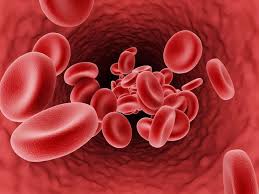
    It’s your blood.

    Not in a poetic sense. I mean the actual stuff moving around inside you. Or rather… not moving quite as well as it used to.

    As we get older, blood changes. It thickens. It gets a bit sticky. Less champagne, more gravy. And instead of gliding through your arteries, it sort of lumbers along. The heart has to push harder. The tissues wait longer. Oxygen and nutrients show up late, like a delivery driver who’s only “five minutes away” for half an hour.

    And you feel it, but not dramatically.

    There’s no sudden collapse, no cinematic clutching of the chest. It’s subtler. You carry the shopping and need a sit-down. The stairs feel steeper than you remember. Your legs feel heavy. Your stamina doesn’t explode, it just quietly resigns.

    Now, here’s the part people get awkward about.

    Circulation isn’t just about jogging or climbing hills. It’s hydraulic. Blood has to flow well everywhere. And when it doesn’t, things don’t work with the reassurance they once did.

    Erectile dysfunction for example (we whisper the words like it’s impolite). It’s often just a circulation problem. An erection is engineering. It requires decisive blood flow into very fine vessels. Narrow those vessels and the structure simply can’t do its job.

    The arteries supplying that area are smaller than the ones feeding your heart. So if blood flow starts struggling, that’s often where you notice it first. It’s not a moral failure. It’s a plumbing report.

    And it’s not just there.

    Think of your body like a city.

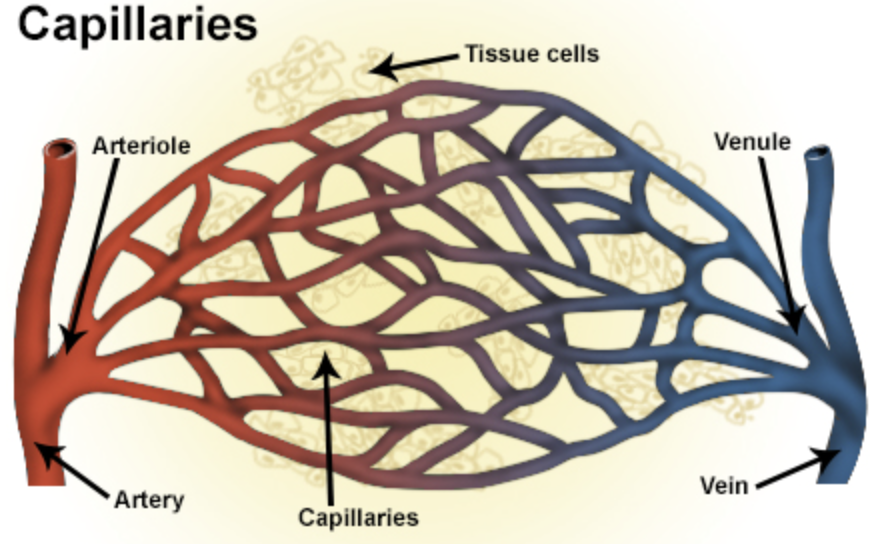
    The big arteries are the highways – impressive, dramatic. But the real work happens in the tiny backstreets. The capillaries. Those narrow little passages where oxygen gets handed over to your cells and waste gets picked up. That’s where life actually happens.

    Now imagine those backstreets slowly narrowing. No dramatic collapse. Just a gradual tightening. Deliveries get delayed. Streetlights dim. Things aren’t maintained properly.

    That’s what happens when capillaries constrict.

    Then there’s your eyes. The retina is demanding. It needs a constant, rich blood supply. Starve it even slightly and you’ll notice the difference. Vision blurs. Night feels darker. Colours look washed out.

    Or your brain. When its microcirculation isn’t great, concentration frays. Memory slips a bit. You’re not confused, just not as sharp. The lights feel slightly dimmer upstairs.

    Cold hands. Slow-healing cuts. Heavy legs.

    It’s all the same story.

    And why does this happen?

    Modern life.

    Too much sugar roughens and stiffens vessel linings. High blood pressure batters them. Smoking irritates and constricts them. Chronic stress keeps everything tight and inflamed. And time stiffens everything (except the one thing you want stiffened!)

    What makes this so sneaky is that it doesn’t announce itself with trumpets. It doesn’t shout. It just slowly economises. Rations oxygen. Trims the budget.

    The organs that suffer most are the expensive ones: the retina, the brain, erectile tissue. They don’t tolerate “just enough.” They need a generous flow.

    So fading eyesight and unreliable erections aren’t random, unrelated embarrassments. They’re messages from the same narrowing streets.

    Now the good news.

    You’re not helpless.

    If you want your circulation to behave better, treat it better, even if the remedies seem obvious.

    Cut back on refined sugar. Think of excess sugar as sandpaper on delicate vessels. Eat food that once grew in soil. Move your body often enough that your blood actually has a reason to flow.

    Walk regularly. Exercise triggers nitric oxide, an all-important molecule that tells your vessels to relax and widen. Add some resistance training. Muscles demand blood. That demand improves supply.

    Don’t sit all day without breaks. Stagnation is the enemy.

    Eat like you’ve got Mediterranean relatives to impress – leafy greens, berries, oily fish, olive oil, nuts, citrus. These aren’t fads. They support the lining of your blood vessels.

    Stop smoking or at least cut down. It was your parents’ job to warn you about the effects of smoking, not mine. Smoking is sabotage – it damages vessel walls and robs tissues of valuable oxygen.

    Stay hydrated. Thick, dehydrated blood doesn’t flow well.

    Control blood pressure. Sleep properly. Chronic stress and poor sleep keep your body in a constant low-grade inflammatory state, and inflammation narrows vessels over time.

    It’s not glamorous advice.

    Eat decently – Move daily. – Sleep properly. – Avoid toxins.

    But here’s the truth: the smallest vessels in your body have an enormous say in how well you age.

    They’re tiny. Invisible. Easy to ignore.

    But when the backstreets close, the whole city feels it.

    Additional information for your eyes

    It surprised optometrists everywhere, or at least it should have.

    Not that they’re a jumpy lot. The eye-care industry prefers its surprises to come in tasteful frames and quarterly dividends. But imagine, for a moment, that the problem with your failing eyesight isn’t age, nor genetics, nor your wicked affair with late-night television and phones glowing like radioactive cherubs in the dark.

    You guessed it – it’s your blood.

    Not metaphorically, but the actual plumbing. The microscopic capillaries at the back of your eye. The irrigation system. The fine Venetian lacework of vessels that keep your vision crisp, your colours saturated, your world in high definition.

    Because eyes don’t run on carrots. They run on circulation.

    The Findings of Dr Sydney Bush

    Enter Dr. Sydney Bush, a once celebrated ophthalmologist In 1988, he developed the first soft contact lenses. He was also the first to photograph the back of the eye, looking not at the surface but at the supply lines.

    His conclusion? The problem – whatever the stated condition – was undoubtedly vascular. The defect consistent. The blood vessels compromised.

    He wrote, including to the British Medical Journal. Suggested that restoring circulation could reverse more than 90% of common visual decline.

    It had the effect of a nuclear bomb being tossed gently into a billion-dollar industry.

    Because if vision loss is largely vascular, if it is modifiable, reversible and preventable, then the business model of managed decline begins to look uncomfortably fragile.

    The result? The industry turned on Dr Bush. He was sidelined and his research curtailed, his idea tidied away like an embarrassing drunk uncle.

    Whether martyr or maverick, the thesis remains provocative: improve blood flow, restore sight. Even in one’s seventies. And yes, even to 20/20.


    It’s Not Your Phone

    It’s fashionable to blame screens. Blue light, digital strain, modernity itself. But high-definition sight doesn’t falter because you watched too much television. It falters because tissue starves.

    Now we’re reassured that our eyes are metabolic gluttons requiring a robust flow of oxygen and nutrients, we can do something to prevent or remedy any deterioration. Starve them slowly and they dim. Not theatrically – just incrementally, politely, year by year.

    Graeme Dinnen

    ResourcesForLife.net
    Additional information:

    https://www.resourcesforlife.net/whats-your-blood-type/

Graeme Dinnen
Privacy Overview

This website uses cookies so that we can provide you with the best user experience possible. Cookie information is stored in your browser and performs functions such as recognising you when you return to our website and helping our team to understand which sections of the website you find most interesting and useful.