

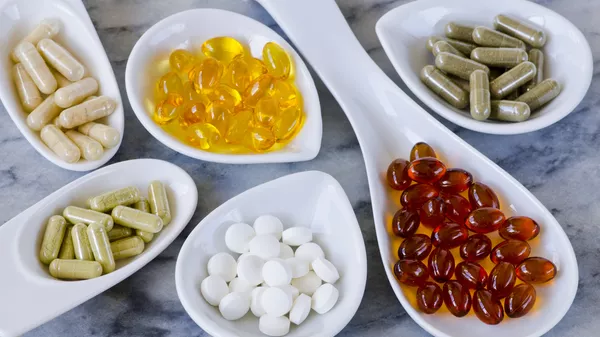
The modern supplement aisle is one of civilisation’s more flamboyant confidence tricks: a cathedral of amber bottles, metallic pouches and pious typography promising vigour, purity, radiance, immunity and the sort of bowel regularity usually associated with Swiss railways.
It is wellness by retail theatre. Rows upon rows of capsules lined up like obedient little clergy, all prepared to absolve you of the sins of late nights, poor lunches and inherited laziness.
But not all supplements are equal, and that, if anything, is the first commandment.
There is a vulgar assumption that because something is sold in a chemist, endorsed by an influencer, or stacked in a discount bin beside novelty batteries, it must be much the same as everything else.
It isn’t.
A cheap capsule can contain unnecessary fillers, binding agents, flavourings or colouring compounds that do little except bulk out the product and flatter the profit margin.
The label may speak in reverent tones about “premium wellness”; the contents may have all the dignity of swept-up factory dust.
Liquids, we’re told, are better. Purer. Cleaner. The nutritional equivalent of a good claret decanted properly rather than slurped from a plastic tumbler. Liquids do not need to be bullied into shape by presses or padded out into swallowable bullets.
Capsules can come with a supporting cast of industrial extras – fillers, coatings, anti-caking agents, things that sound less like nourishment and more like the ingredients list of a garden shed. Some have been found with the unwelcome presence of glyphosate on the exterior.
That doesn’t make every liquid miraculous, nor every pill villainous, but it does mean form matters. A supplement is not just what is listed on the front of the bottle; it is also what was required to get it there.
Which is why some companies decline the easy money. Every wellness outfit with a reputation worth keeping is regularly approached by manufacturers keen to stick their logo on a tub of generic powder and call it transformation.
We were.In our case – Resources For Life – we’ve quietly declined to enter the supplement racket altogether. Not because we couldn’t make money (we could, handsomely), but because the compromise required would stain the brand. It’s hard to preach clarity and then sell muck.
The wise producers specialise. They do one thing properly, source carefully, test obsessively, and understand that cleanliness of manufacture is not a marketing adjective but the whole point.
And in the cheaper corners of the market, once you begin nosing around the supplement aisles – those fluorescent-lit bazaars of hope and half-truths – you quickly realise that not all pills are created equal. In fact, many are barely created at all; they’re assembled, padded, bulked, and dressed up like a budget sausage.
You’re not buying health; you’re buying optimism in a bottle.
The uncomfortable truth is that supplements are not a democratic field. They are not all equal, and pretending they are is like saying all restaurants serve food. Technically correct, catastrophically misleading.
Unless you’re prepared to pay for the top shelf – the obsessive producers who treat purity like religion – you’re genuinely better off taking nothing at all. Because bad supplementation isn’t neutral; it’s a net negative. It’s fhe nutritional equivalent of fake news: looks convincing, does damage.
You don’t buy parachutes from a bargain bucket, nor should you buy ingestible health products from one.
Animal Fats
Then there is our old friend fat, demonised for decades with all the nuance of a medieval witch trial. We were all persuaded into swapping olive oil for seed oils (containing polyunsaturated fats, the enemy of the brain), fear butter, distrust eggs, apologise to cheese and embrace anything labelled “low fat”, which usually meant “high sugar” or “thickened with starch”.
Remove flavour from food and industry will replace it with chemistry.
Meanwhile, the modern diet has wandered so far off piste it’s practically in another mountain range. We’ve been herded into abandoning traditional fats in favour of industrially processed oils with names that sound like minor villains in a Bond film – rapeseed, sunflower, cottonseed. All marketed with the beatific halo of “heart healthy,” as though they’ve been blessed by a cardiologist in a lab coat.

AVOID rapeseed oil (aka Canola). 50 years ago, the only place you’d find it is in a mechanic’s garage. We’ve been buying our olive oil from Citizens of Soil for over a year. Their oils contain health-supporting polyphenols, unlike many of the supermarket oils. To try it, click the link, and use the code : ZEROWASTEDOLIVES as you check out: You’ll be given a 15% discount for your first order (UK buyers only).
This misdirection of food was, and remains, one of the great nutritional misadventures of the last century. Replace natural fats with these concoctions, strip the food of its soul, and what do you get? You get carbohydrates. You get sugar. You get a population that’s simultaneously overfed and undernourished, waddling toward obesity and diabetes with admirable efficiency.
The irony, of course, is delicious. The French consume more traditional animal fats than most and yet manage to sidestep the epidemic of heart disease with irritating grace. Butter, cheese, meat: all eaten with gusto, none with guilt. These fats don’t panic when introduced to a frying pan. The so-called “French Paradox” isn’t a paradox at all; it’s a rebuke as they also deliver nutrients in forms your body actually recognises, rather than vague approximations assembled in a factory.
The lesson was never that croissants are medicine. It was that nutrition is more complicated than pantomime villains and saints.
Because fats, real fats, matter. Your brain is mostly fat – a sobering thought if you’ve been living on margarine. And the type of fat you need it isn’t a lifestyle choice; it’s structural engineering. Industrial seed oils are rich in polyunsaturated fats, which are chemically unstable.
Expose them to heat or light – and cooking does both – and they begin to degrade, oxidise, and transform into compounds that are less “nutrition” and more “slow sabotage.”
These damaged fats don’t just sit quietly; they interfere. They stress the brain, disrupt cellular processes, and compromise the mitochondria, those tiny energy factories inside your cells. The result is a kind of biological brownout – less efficiency, more wear and tear. Over time, the system falters.
The result was not a nation of gazelles. It was waistlines expanding like municipal budgets, alongside metabolic illness marching steadily upward. When fat was evicted, carbohydrates moved in and trashed the place.

Food is pattern, context, quality, movement, stress, culture, quantity and time. It is not solved by replacing breakfast with fortified pellets and dinner with a beige snack bar.
And so we arrive at the truly modern alliance: bad food first, expensive remedies second. Processed diets create dependence; pharmaceuticals and supplements then queue up offering rescue. One hand sells the damage, the other leases the ladder.
The sensible route is less glamorous and therefore less popular. Eat recognisable food. Favour quality over branding. Use supplements selectively, not devotionally. If you need omega oils, buy them from people who understand oils, not people who understand packaging. If you need vitamins, know which ones and why. If you don’t know why, ask someone qualified.
Health, infuriatingly, is still mostly ordinary. Sleep enough. Walk often. Cook something. from scratch. Spend money on ingredients before capsules. If we ate real food, we wouldn’t need pills, powders and packaging.
And if a miracle comes in a fluorescent tub for £9.99, leave it where it belongs: under the strip lighting, waiting for another pilgrim.
I’m not on anyone’s payroll, nor do I pocket so much as a penny in affiliate rewards, but if you insist on knowing where to source your powders, pills and hopeful little capsules, I’d point you toward The Wellness Company.
As for your essential minerals and trace elements, we’ve driven to Guerande in Brittany several times to buy as much mineral-rich Celtic Sea Salt as our car would hold. We first came across it, and have been using it almost daily since 1997.
Make appropriate changes for your family, otherwise, you’re just polishing the brass on a sinking ship.
Graeme Dinnen
Resourcesforlife.net
Leave a Reply